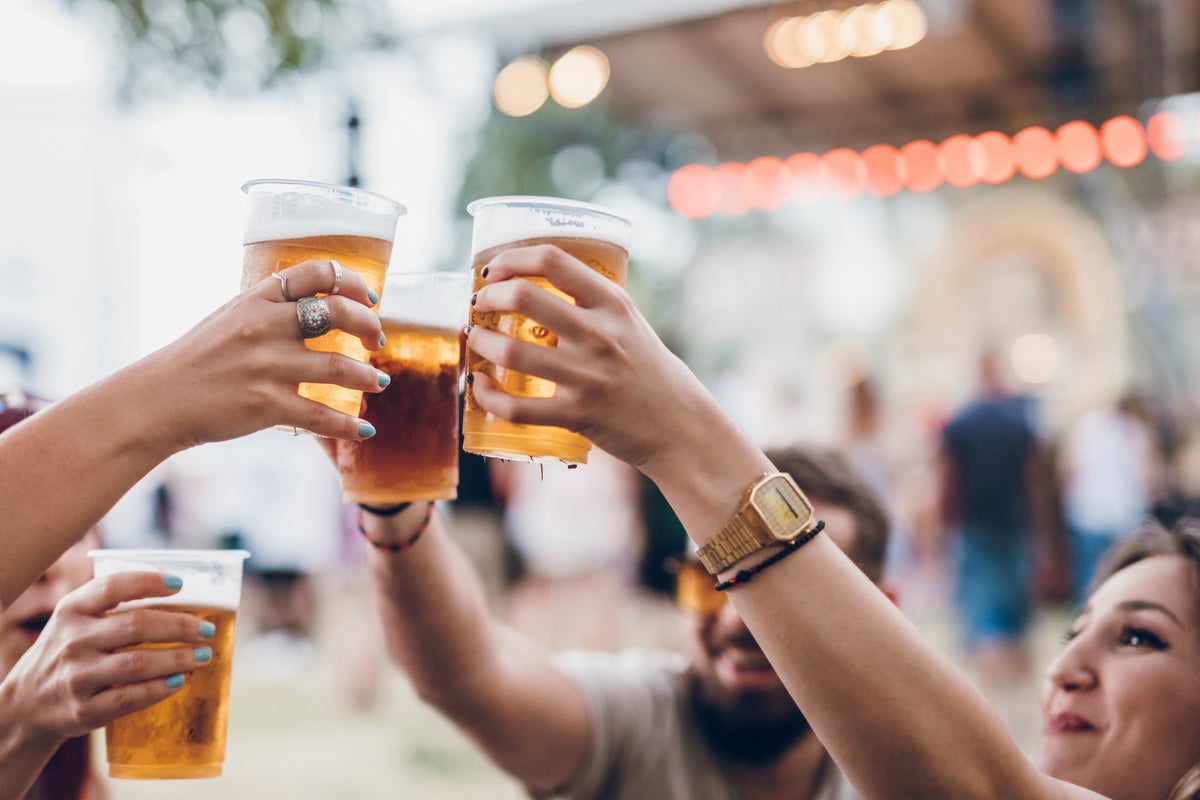
Twenty dollars doesn't buy what it used to. In major cities across the United States, that crisp Jackson note now buys exactly one cocktail, excluding the tip. If you're at a concert or a stadium, you might even need to dig for a few extra singles. It's an absurd reality that has fundamentally changed how we socialize. We've reached a breaking point where the casual "meet for a drink" has turned into a calculated financial decision. This shift isn't just about inflation. It's a structural change in the hospitality industry that's pushing American adults back to a habit they thought they left behind in college.
Pregaming is back. But this time, it isn't about rowdy teenagers in dorm rooms. It's about professionals in their 30s and 40s who refuse to pay a 400% markup on mediocre spirits.
The Death of the Casual Night Out
For years, the middle ground of American nightlife has been eroding. You used to have "dive bars" where a beer and a shot cost ten bucks, and "high-end lounges" where you paid for the ambiance. That gap has vanished. Today, even neighborhood spots in places like Austin, Nashville, or Charlotte are charging $16 for a drink that contains two ounces of liquid and a very expensive piece of artisanal ice.
When the floor for a night out starts at $100 per person just for beverages, people adapt. They aren't staying home entirely. They're just showing up to the venue already buzzed. Data from various consumer spending reports suggests that while total alcohol consumption has remained relatively steady, the location of that consumption is shifting back to the home. The "out" part of the night is becoming the secondary act rather than the main event.
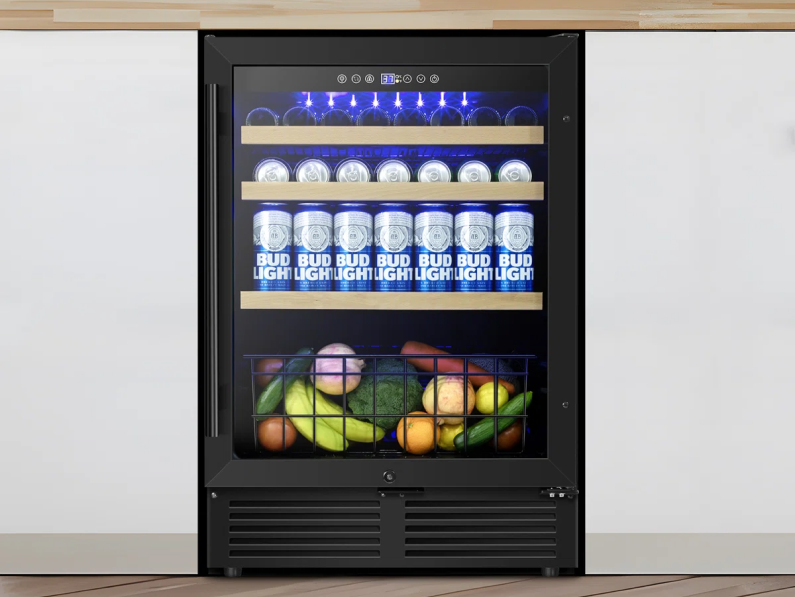
I’ve seen this play out in real-time. Friends who used to meet at 7:00 PM for happy hour are now suggesting a "pre-meet" at someone’s apartment. We open a $25 bottle of wine that would cost $85 on a wine list. We make G&Ts with high-quality tonic and actual lime wedges. By the time we hit the bar at 9:30 PM, we only need to buy one drink to keep the vibe going. It’s practical. It’s efficient. Honestly, it’s the only way to keep a social life from becoming a second mortgage.
The $20 Drink is the New Normal
How did we get here? Labor costs are up. Rent for commercial spaces has skyrocketed. Insurance premiums for venues serving alcohol have tripled in some jurisdictions. Owners will tell you they aren't getting rich off these prices; they're just trying to keep the lights on.
But for the consumer, the "why" matters less than the "how much." When a standard Margarita costs $18 before tax and a 20% tip, you’re looking at $23 for a single glass of booze. If you have three of those, you've spent nearly $70. That’s before you’ve even thought about an appetizer or an Uber home.
The Concert and Stadium Tax
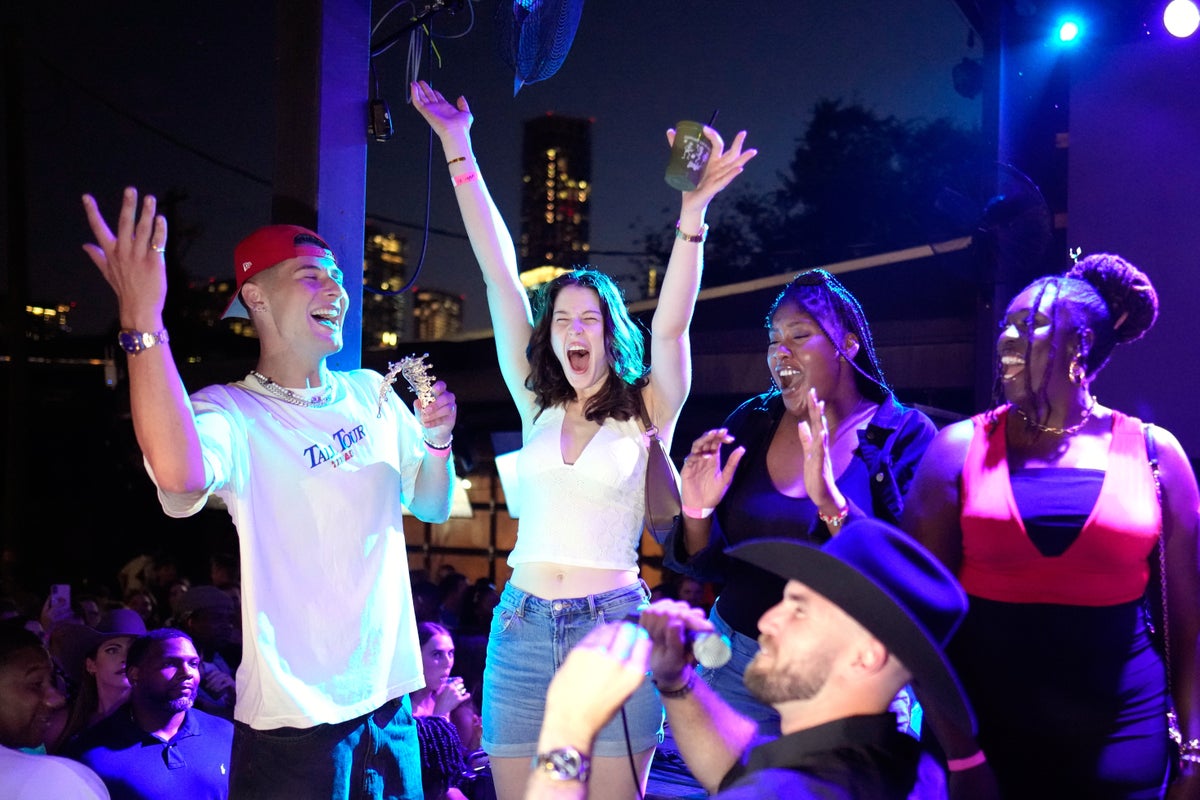
Venues have it worst. Live Nation and other major entertainment entities have faced criticism for years regarding ticket fees, but the "concession creep" is just as predatory. It’s common to see 24-ounce cans of domestic beer priced at $17 or $19. At these prices, a couple attending a show can easily spend $100 on four drinks.
This creates a perverse incentive. Fans realize that if they drink in the parking lot or at a nearby dive before the gates open, they save enough money to cover the cost of the ticket itself. It changes the atmosphere of the event. You end up with a crowd that is more intoxicated at the start of the show because they’re trying to "front-load" their fun to avoid the bar lines and the bill.
The Psychological Shift of the Modern Professional
There’s a specific kind of resentment that comes with being overcharged. It isn't just about the money. It’s about the feeling of being "taken." When a bartender pours a house-label vodka into a plastic cup and asks for $22, it feels like a personal insult.
Adults with disposable income are savvy. They know the cost of a bottle of Buffalo Trace. They know that a bottle of Grey Goose costs about $40 at Costco. Watching a bar charge half the price of a full bottle for a single pour creates a "value gap" that is hard to ignore.
Pregaming provides a sense of control. You choose the music. You choose the quality of the alcohol. You choose the company. It turns the pre-show ritual into a curated experience rather than a rushed necessity. We're seeing a rise in "sophisticated pregaming"—think charcuterie boards, high-end glassware, and craft ingredients—all happening in living rooms before the group heads to the club or the arena.
Impact on the Service Industry
This trend has a dark side for the people working the bars. If everyone arrives at the bar already three drinks deep, they buy fewer rounds. Fewer rounds mean lower total bills, which often translates to smaller tips for staff who are dealing with a more intoxicated clientele.
The "sober curious" movement and the rise of expensive non-alcoholic options haven't helped the bottom line either. If a seed-lip mocktail costs $15, the customer feels even more cheated than they did with the $20 gin and tonic. At least the gin has a physiological effect. Charging top-shelf prices for juice and soda water is a quick way to ensure a customer never comes back.
The Rise of the Third Space Alternative
Because of these prices, we're seeing people seek out "third spaces" that don't revolve around the bar tab. Coffee shops that stay open late, board game cafes, and even late-night fitness classes are gaining traction. But for those who still want the nightlife experience, the pregame remains the only viable bridge.
How to Pregame Without Overdoing It
If you're going to embrace the return of the pregame, do it like an adult, not a sophomore. The goal is to save money, not to end the night before it starts.
- Focus on hydration. For every drink you have at home, drink a full glass of water. This is the "pro move" that separates the 30-somethings from the 21-somethings.
- Eat real food. Don't pregame on an empty stomach. A heavy snack or a light dinner while you're having those first two drinks will pace the alcohol absorption.
- Set a drink limit for the venue. Decide before you leave the house that you're only buying two drinks once you get to the bar. Stick to it.
- Invest in a flask. It sounds old-school, but high-quality, discreet flasks are making a massive comeback. Just check the venue's security policy first.
- Quality over quantity. Since you're saving money by not buying $20 drinks, spend a little extra on the bottle you keep at home. You'll enjoy the taste more and feel better the next morning.
The $20 cocktail isn't going away. Commercial real estate isn't getting cheaper, and the "premiumization" of spirits is a genie that won't go back in the bottle. As long as venues continue to treat a basic beverage as a luxury good, the American public will continue to move their drinking habits back to the couch. It’s a simple matter of math. When the cost of a night out rivals a car payment, the pregame isn't just a choice. It's a survival tactic for your bank account.
Stop feeling guilty about hosting a "happy hour" at your place before the main event. You aren't being cheap. You're being smart. The bars will survive, and your savings account might actually have a chance to grow. Next time you're invited out, suggest the pre-meet. Your friends are probably thinking the exact same thing but were too polite to say it first. Take the lead and pour the first round at home.