The 2026 World Cup was supposed to be a massive celebration of North American unity. Instead, it's looking like a logistical and diplomatic wreck. With less than 100 days until kickoff, the excitement for the first 48-team tournament is being smothered by travel bans, funding freezes, and a looming shadow of global conflict. If you're planning to follow your team to the U.S. this summer, you're not just looking at expensive tickets; you're looking at a border policy that might not even let you through the door.
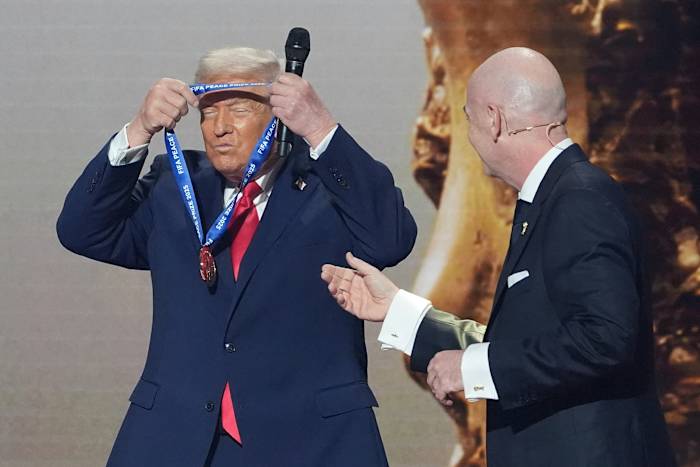
The reality is simple. Football doesn't exist in a vacuum. While FIFA President Gianni Infantino talks about "104 Super Bowls," the actual experience on the ground is being dictated by the Trump administration’s "extreme vigilance" agenda. For many fans, the "United" bid has become anything but united.
Travel bans are sidelining the fans
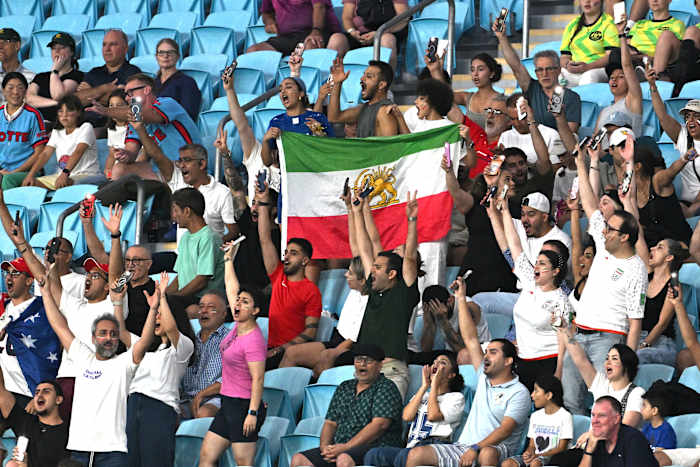
Imagine qualifying for the biggest tournament on earth after 50 years, only to find out your supporters can't get visas. That’s the situation for Haiti. It’s also the reality for fans from Iran, Senegal, and Côte d’Ivoire. The administration has expanded travel restrictions to cover 39 countries. About 20% of the world's nations are now on a list that makes entering the U.S. nearly impossible for the average person.
The White House did roll out a "fast-track" visa system for ticket holders, but there's a massive catch. Secretary of State Marco Rubio was blunt about it: a ticket isn't a visa. It doesn't guarantee you entry. It just gets you a faster interview so a consular officer can tell you "no" in record time. While athletes and their immediate families have exemptions, the stands won't look the same if the people who actually live and breathe these teams are stuck at home.
The funding freeze and the shutdown mess
It’s not just the fans from abroad who are facing hurdles. The host cities are currently panicking over money. Right now, there’s a partial government shutdown hitting the Department of Homeland Security (DHS). This has effectively frozen $625 million in federal security grants that cities like Miami, Kansas City, and Boston were counting on.
- Miami is waiting on $70 million to start building its fan festivals.
- Boston (specifically Foxborough) has threatened to withhold the entertainment license for matches if they don't get their $8 million.
- New Jersey already scrapped a massive fan fest at Liberty State Park because the budget just wasn't there.
If the federal government doesn't release these funds soon, cities will have to make a choice. They either eat the costs—which most local budgets can't handle—or they cut corners on security and fan experience. Neither is a good look for a country trying to show off its "dynamism."
Geopolitical chaos is the new backdrop
The timing couldn't be worse. The recent U.S. and Israeli strikes on Iran have turned a tense situation into a full-blown crisis. Iran is scheduled to play matches in Los Angeles and Seattle, but the President of the Iranian soccer federation has already expressed doubt about their participation. It’s hard to focus on a 4-3-3 formation when your country is trading missile strikes with one of the host nations.
This isn't just about one team. It’s about the vibe of the entire event. The World Cup is meant to be a moment where the world hits pause on its beefs to play a game. When the host country is actively engaged in "major combat operations" against a participant, that magic disappears.
Canada and Mexico offer a different story
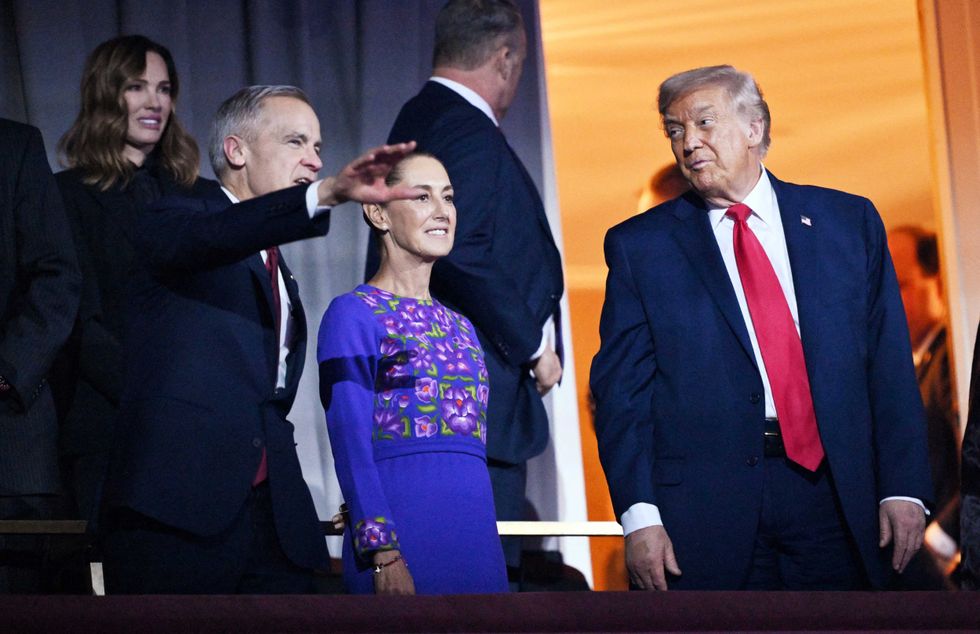
Interestingly, the chaos in the U.S. is making Canada look like the smart place to be. While the U.S. tightens borders, Canada is positioning itself as the "safe gateway." They’ve streamlined their Electronic Travel Authorization (eTA) system, and they aren't dealing with the same level of internal political friction regarding the event's funding.
Mexico, on the other hand, has its own struggles. Cartel violence in regions near host cities like Guadalajara has spiked, leading to new travel warnings. This leaves fans in a weird spot. You have one host with restrictive entry laws, one with security concerns on the streets, and one that's basically just trying to be the "chill" neighbor.
What you need to do now
If you’re still committed to going, you can't afford to be casual about your prep. This isn't 1994. The rules are tighter, and the bureaucracy is slower.
- Check your passport today. Don't wait. If it expires anywhere near July 2026, renew it now.
- Apply for your visa the second you get a ticket. Use the expedited system, but don't assume it’s a rubber stamp. Have your documentation—proof of funds, return flights, and ties to your home country—ready to go.
- Consider staying in Canada. If you're following a team that plays in both the U.S. and Canada, it might be easier to use a Canadian city as your home base and only cross the border for match days.
- Monitor the DHS status. If you’re worried about fan fests or local security, keep an eye on whether the federal funding for host cities actually gets released.
The 2026 World Cup will still happen. The stadiums are built, and the grass is green. But the "beautiful game" is currently being choked by ugly politics. Don't let the marketing fool you; this is going to be the most complicated sporting event you’ve ever tried to attend.