The coffee in the paper cup has gone cold, but Marcus doesn’t throw it out. He can’t. His right hand is gripped tightly around the handle of a stroller, and his left is pinned against his ribs by the sheer mass of humanity packing the platform at Jamaica Station. It is 7:42 AM on a Monday. Normally, the air here smells of diesel, damp concrete, and the faint, sweet scent of burnt sugar from the roasted nut carts. Today, it smells like adrenaline. And sweat.
Somewhere above the din of three thousand trapped commuters, a mechanical voice crackles over a loudspeaker, slicing through the collective anxiety. The words are polite, automated, and utterly devastating.
There are no trains coming.
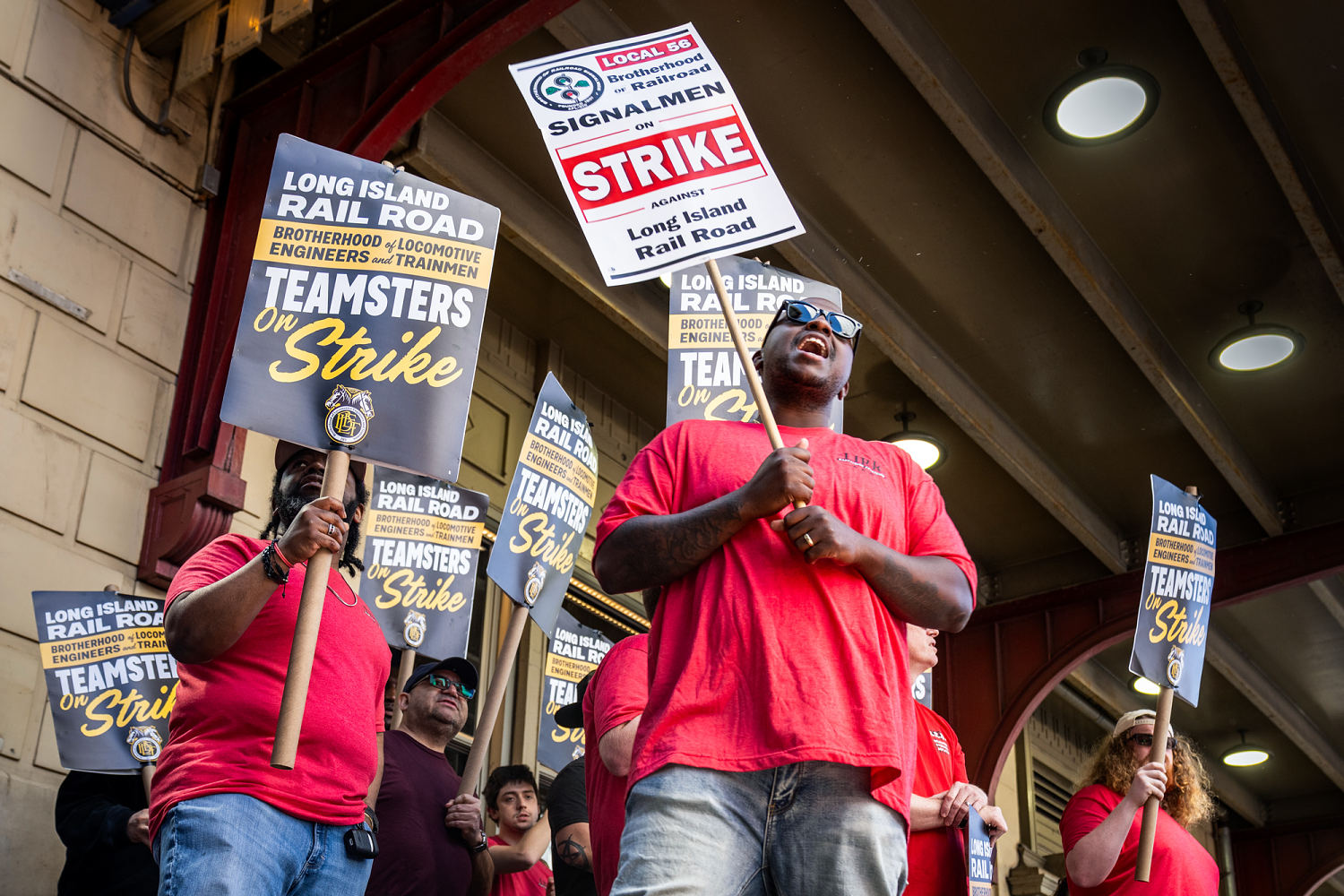
For months, the headlines had warned of this exact collision course. The United Transportation Union and the Metropolitan Transportation Authority had been locked in a bitter stalemate over a contract that expired years ago. The dispute wasn't just about pennies on the dollar; it was about pension contributions, healthcare premiums, and the deep-seated feeling among workers that they were being asked to do more with less. The union argued that its members hadn't seen a significant raise in nearly a decade, while the MTA countered that the rising costs of healthcare made their demands unsustainable for a public agency already drowning in debt. When the final midnight deadline ticked away on Sunday night without a handshake, the gears of the nation’s largest commuter rail network ground to a sudden, screeching halt.
Now, the reality of that failure has arrived. It is sitting heavily on the shoulders of three hundred thousand daily riders who suddenly have no way to get to work.
New York is a city built on an invisible, rhythmic heartbeat. We don't think about the infrastructure that sustains us until it stops. We take for granted the massive engineering marvel that pulls people from the quiet, tree-lined streets of Babylon, Ronkonkoma, and Mineola and deposits them into the gleaming glass canyons of Manhattan. The Long Island Rail Road isn't just a luxury for suburbanites; it is the central artery of the regional economy. When you cut that artery, the effects bleed out instantly, far beyond the tracks themselves.
Consider what happens next when that heartbeat skips.
Marcus isn't an executive trying to make a closing argument on a merger. He is a night-shift nurse at NYU Langone who stayed late to cover a colleague, now trying to get home to his daughter. Beside him stands Sarah, a freelance graphic designer whose entire month’s rent depends on an in-person pitch meeting at nine o'clock. If she isn't there, the agency will go with the firm from Brooklyn. The stakes aren't abstract financial metrics on a governor's briefing memo. They are real, tangible, and deeply stressful.
The immediate reaction to the strike is a collective scramble for alternatives, a desperate pivot that transforms the region's highways into gridlocked parking lots.
By 6:00 AM, the Long Island Expressway had already turned into a sea of red taillights stretching back to Nassau County. The state tried to prepare. Officials opened up high-occupancy vehicle lanes to everyone, established park-and-ride lots at various points across the island, and added extra subway cars to the lines that terminate in Queens. But trying to fit the passenger volume of the LIRR into a few extra buses and subways is like trying to force the Mississippi River through a garden hose.
The numbers tell the story better than any press release ever could. The LIRR moves roughly 300,000 people on an average weekday. To carry that many individuals by car, assuming a standard occupancy rate, requires adding nearly 200,000 vehicles to bridges and tunnels that are already operating at peak capacity. The Queens-Midtown Tunnel and the RFK Bridge became choked bottlenecks within minutes of sunrise. Toll plazas turned into flashpoints of frustration, with drivers leaning on their horns as if the noise itself could dissolve the miles of steel ahead of them.
But the real crisis isn't found in the traffic jams or the crowded bus terminals. It is found in the quiet erosion of trust between a city and the systems designed to keep it moving.
When you live in the suburbs and work in the city, you enter into a silent social contract. You agree to pay high property taxes, exorbitant ticket fares, and endure long hours away from your family. In exchange, the system promises predictability. It promises that if you stand on a cold platform at 6:15 AM, a train will eventually appear out of the darkness to take you where you need to go. When that contract is torn up, the vulnerability is jarring. You realize how fragile your daily existence truly is.
I remember a similar winter a few years back when a blizzard shut down the main line for three days. The first twelve hours felt like an adventure—an unexpected snow day, a break from the grind. By hour forty-eight, the mood had soured into something ugly. Neighbors who usually nodded politely on the platform were arguing over the last gallon of milk at the local grocery store. The economy of the suburbs is entirely dependent on the wealth generated in the city; when that pipeline is closed, the panic is palpable.
The financial damage of a prolonged transit strike is calculated in the tens of millions of dollars per day, but the human cost is measured in missed shifts, cancelled doctor appointments, and children left waiting at daycare centers because their parents are stuck on a bus somewhere on the Grand Central Parkway.
Small businesses in Manhattan feel the pinch immediately. The salad shops near Penn Station, the dry cleaners on 34th Street, the shoe repair kiosks that rely on the foot traffic of the commuter army—they see their revenues plummet instantly. For a family-owned deli, a week without commuters isn't a minor setback; it's the difference between making payroll and letting staff go.
Meanwhile, the rhetoric from both sides of the dispute offers little comfort to those caught in the crossfire.
The union leaders stand behind podiums, speaking of dignity, fair wages, and the sacrifices their members made during the toughest years of the past decade. Their arguments are valid; labor deserves a share of the prosperity it enables, and inflation has eaten away at the purchasing power of the middle class. Across the table, the management points to structural deficits, declining ridership trends post-pandemic, and the fiscal reality that taxpayers cannot endlessly subsidize rising operational costs without a corresponding increase in productivity. They, too, have a point; the math simply doesn't work if expenses outpace revenues forever.
Yet, as the two sides trade barbs through the media, the people on the platform at Jamaica Station are left to wonder why their lives are being used as leverage.
The sun rises higher in the sky, burning through the morning haze, but the temperature on the platform only rises with it. People begin to turn back. They trudge down the concrete stairs, their heads bowed, looking at their phones to email bosses, cancel appointments, and figure out how to salvage a day that was lost before it truly began.
Marcus looks down at his daughter, who has finally fallen asleep despite the noise. He sighs, turns the stroller around, and prepares for the long, uncertain walk toward a bus line that may or may not be running. He will lose a day’s pay today. He might lose more if this drags on through the week.
The city will survive this, of course. New York always does. It will adapt, it will find detours, it will complain loudly, and it will push forward through sheer, stubborn willpower. But as the empty tracks stretch out toward the eastern horizon, gleaming uselessly in the morning sun, they serve as a stark reminder of just how close we always are to the edge of chaos. The trains are silent, but the silence is deafening.