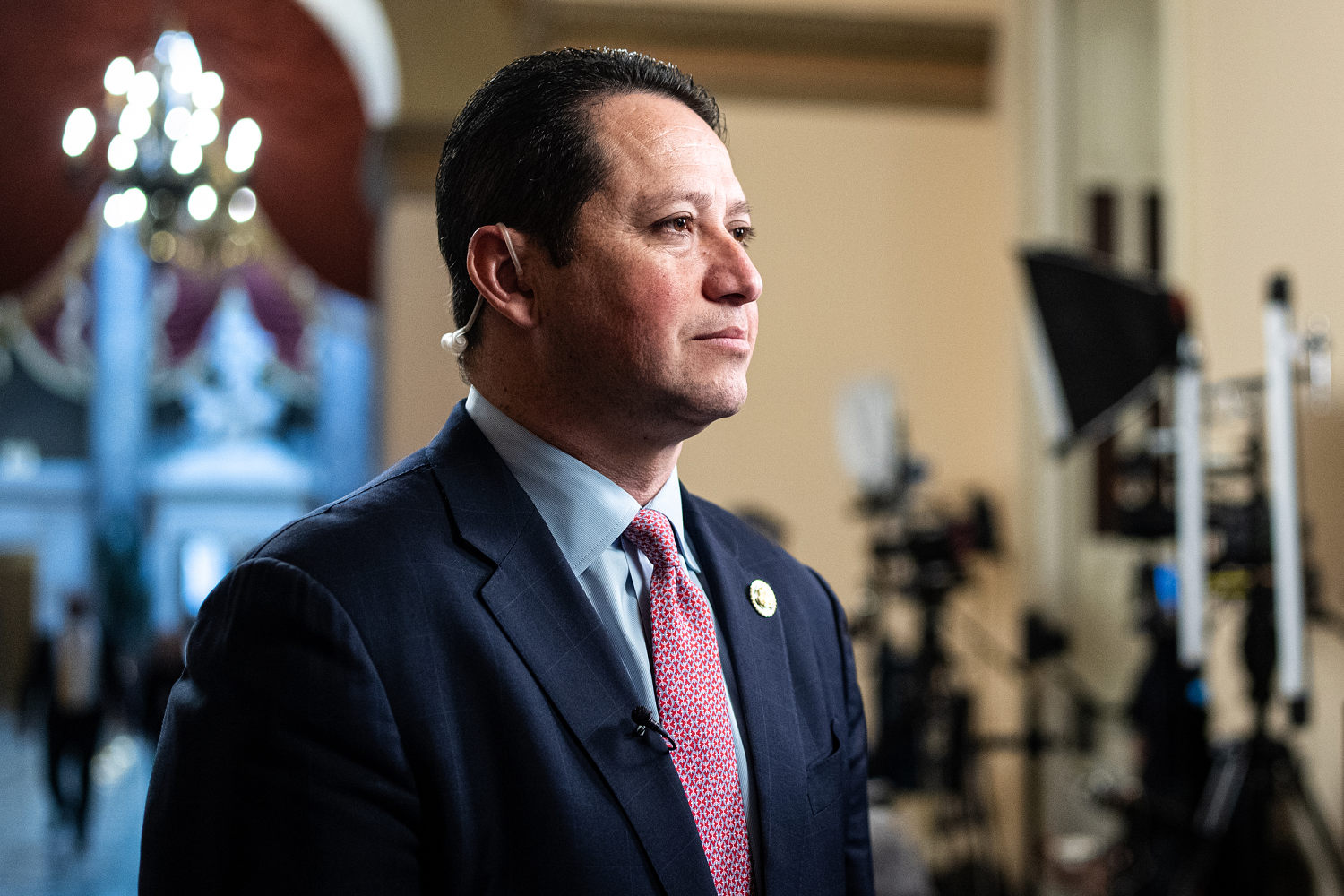
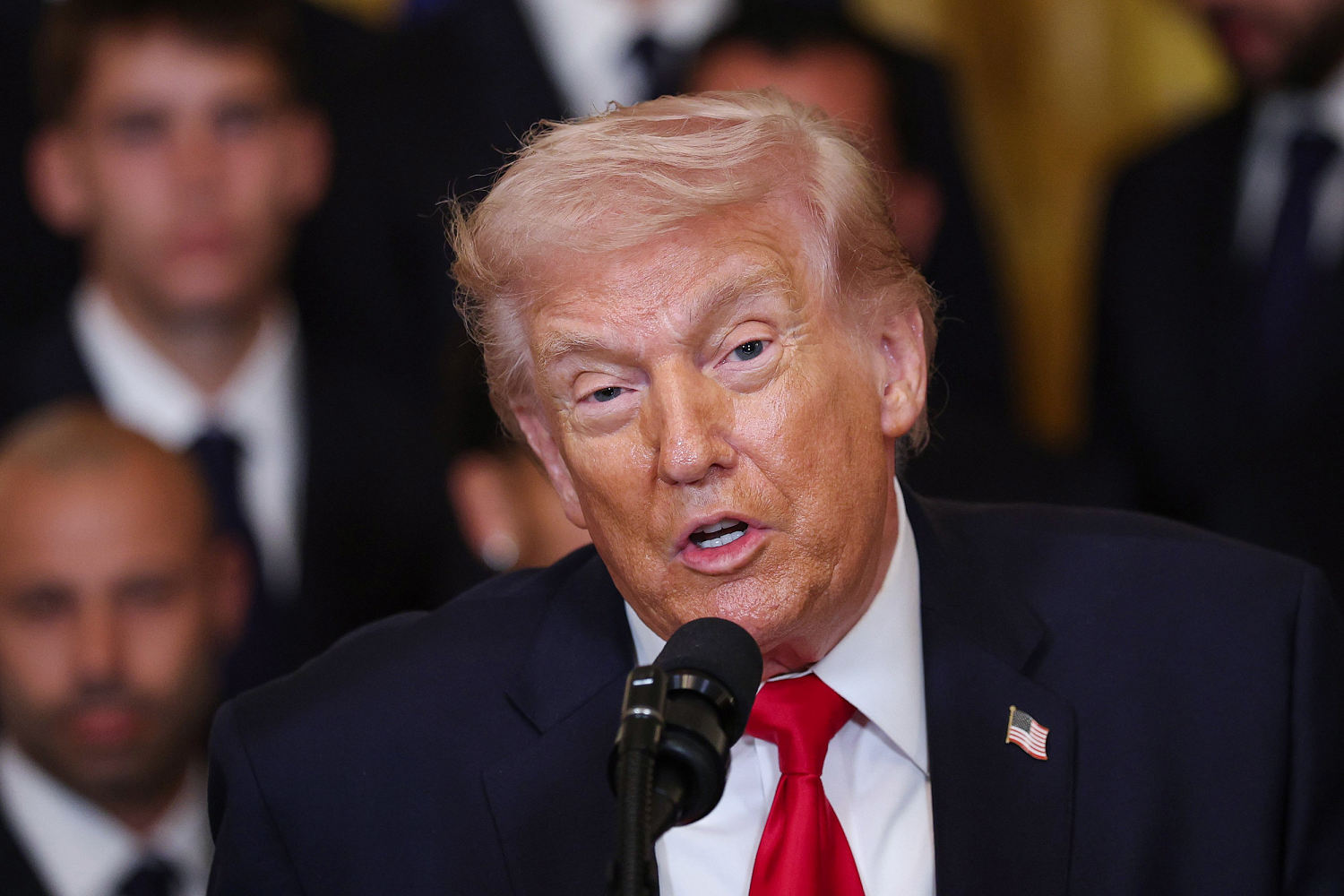
The removal of Kristi Noem as Secretary of the Department of Homeland Security (DHS) on March 5, 2026, represents more than a localized personnel shift; it is a forced realignment of the Executive Branch’s mass deportation apparatus. Her transition to the role of Special Envoy for the “Shield of the Americas” follows a catastrophic breakdown in the department’s operational control and political legitimacy. The installation of Senator Markwayne Mullin as her successor signals a tactical shift toward a “legislative-warrior” model designed to bypass the bureaucratic and legal friction that stalled the Noem administration.
The Three Pillars of the Noem Collapse
The failure of Noem’s tenure was not a single event but a convergence of three distinct structural stressors that rendered her leadership untenable.
1. Operational Kinetic Failures
The primary catalyst for Noem’s ouster was the kinetic failure of the administration's mass deportation agenda. The shooting deaths of two U.S. citizens, Renee Good and Alex Pretti, in Minneapolis by federal immigration agents during anti-ICE protests created a legal and public relations liability that the administration could not absorb.
The mechanism of this failure was a lack of clear Rules of Engagement (ROE). Under Noem, DHS deployed thousands of agents into urban centers without the strict oversight typical of local law enforcement. This created a high-variance environment where tactical errors became strategic disasters. The subsequent attempt to categorize these citizens as “domestic terrorists” lacked evidentiary support, leading to a total loss of credibility with the judiciary and the Senate.
2. Fiscal and Bureaucratic Obstruction
Noem’s downfall was accelerated by a breakdown in fiscal management. As of early March 2026, DHS entered its third week of a partial shutdown. This was driven by a Senate blockade of spending measures, as lawmakers demanded guardrails on immigration enforcement in response to the Minneapolis fatalities.
The fiscal bottleneck included:
- Furloughs: Over 100,000 employees, including critical cybersecurity and disaster relief personnel, were sidelined.
- Contractual Scrutiny: Bipartisan questioning regarding a $220 million contract awarded to a firm linked to Noem’s former spokesperson for promotional advertisements.
- Inspector General Friction: A formal accusation from DHS Inspector General Joseph Cuffari that the department systematically obstructed oversight regarding arrest data and airport security programs.
3. Internal Governance and Power Dynamics
The “Corey Lewandowski Factor” introduced a personal-political friction point. Noem’s decision to bring the former campaign manager into a senior advisory role, and reports of their personal relationship, eroded internal morale. In a high-stakes department like DHS, the perception of a "shadow leadership" structure led to the resignation of key deputies, including Madison Sheahan and Tricia McLaughlin, further hollowing out the department's executive capacity.
The Mullin Pivot: From Governor to Legislator-Warrior
The selection of Markwayne Mullin to lead DHS is a strategic response to the friction identified during the Noem era. The administration is shifting away from a "Governor-Proponent" model (Noem) to a "Senator-Enforcer" model (Mullin).
The Mullin Utility Function
Mullin’s value proposition to the Trump administration is defined by three variables:
- Legislative Navigation: As a sitting Senator, Mullin possesses the institutional knowledge to navigate the Senate Judiciary Committee hearings that dismantled Noem.
- Aggressive Defense of Kinetic Action: Mullin’s public defense of the shooting of Ashli Babbitt in 2021 demonstrates a high tolerance for controversial federal force, making him a more resilient face for the continued mass deportation crackdown.
- MMA Ethics as Political Branding: The President’s framing of Mullin as an "MMA fighter" is not merely rhetorical. It signals a shift toward a more aggressive, confrontational stance against both protestors and bureaucratic "deep state" resistance within DHS.
Shield of the Americas: The Strategic Sideline
The creation of the “Shield of the Americas” special envoy role serves as a classic executive preservation tactic. By moving Noem to this new initiative—modeled on a modern Monroe Doctrine or "Donroe Doctrine"—the President avoids the optics of an "outright firing" while removing her from the primary theater of operation.
The mission of this envoy role centers on:
- Transnational Security: Expanding U.S. military and intelligence footprints across the Western Hemisphere.
- Counter-Cartel Operations: Relocating the political heat of immigration to the external theaters of Central and South America.
- Diplomatic Isolation: Using Noem’s political profile to pressure regional partners into accepting more aggressive deportation and containment treaties.
Predicted Friction Points in the Mullin Tenure
The transition to Mullin does not eliminate the structural risks facing DHS. Several bottlenecks remain that will likely test the new Secretary within his first 100 days.
- Senate Confirmation Volatility: While Mullin can serve as Acting Secretary under the Vacancies Act, his permanent confirmation is not guaranteed. His past defense of the officer who shot Ashli Babbitt may alienate the MAGA base, while his lack of military or law enforcement experience will be a focal point for Democratic opposition.
- FEMA and Disaster Response: Mullin has previously expressed skepticism toward FEMA’s efficacy. Given that DHS oversees FEMA, any failure in disaster response (similar to the criticisms Noem faced during Hurricane Helene) will be amplified by his prior statements.
- The Judiciary Wall: The Supreme Court and lower federal courts have already begun placing stays on Noem-era enforcement tactics. Mullin will inherit a legal landscape that is increasingly hostile to the "deploy-first, justify-later" strategy.
Strategic Forecast
The dismissal of Kristi Noem confirms that the administration views the current DHS model as a liability to the broader 2026 political agenda. The Mullin era will likely see a professionalization of the "warrior" image—replacing Noem's media-heavy presence with a more disciplined, legislatively-focused aggression.
However, the fundamental conflict remains: the administration's goal of 1 million deportations per year requires a level of urban kinetic activity that current legal and fiscal frameworks are not built to support. Mullin’s first strategic play will likely be an attempt to end the DHS shutdown by decoupling enforcement funding from the Minneapolis shooting investigations—a high-risk maneuver that will determine the longevity of his tenure.
Would you like me to analyze the specific legal precedents currently being cited in the Supreme Court cases against DHS enforcement tactics?