Living in Ankawa used to mean something different. This predominantly Christian enclave on the northern edge of Erbil was once a sanctuary, a place where people fled when the rest of Iraq felt like it was falling apart. Now, the atmosphere has changed. The streets are still lined with cafes and churches, but the conversations over coffee are heavier. Everyone is looking at the sky or checking their phones for news from the border.
The shadow of the ongoing friction between Iran, regional militias, and the West has turned this peaceful district into a geopolitical chessboard. You don't have to be a military analyst to see it. You just have to talk to the shopkeepers who worry about the next drone strike or the families wondering if their "safe haven" is still safe. It’s a stressful reality that many in the West ignore.
Why Ankawa is More Than Just a Suburb
Ankawa isn't just a neighborhood. In 2021, it was officially designated as its own administrative district, the largest Christian-majority area in the Middle East. For the people here, that was a point of pride. It felt like a recognition of their unique identity within the Kurdistan Region of Iraq (KRI). But identity is a double-edged sword when you're located near the heart of regional power struggles.
The district sits right next to Erbil International Airport. In a normal world, that’s great for business. In a world where the airport houses a military base used by the international coalition against ISIS, it’s a target. Since the escalation of tensions following the events of late 2023 and the ripple effects of Iranian-backed militia activity, Ankawa residents have lived through repeated alarms.
Imagine waking up at 3:00 AM to the sound of explosions that aren't just loud—they’re rattling your windows. That’s been the reality. These aren't accidents. They are calculated messages sent by regional actors using the KRI as a literal playground for their grievances.
The Economic Price of Permanent Tension
Security isn't the only thing taking a hit. The economy in Ankawa is tied to its reputation as a social hub. This is where people from all over Erbil come for nightlife, restaurants, and a more "liberal" atmosphere compared to other parts of the city. When the news reports a drone shot down near the airport, the tables at the local bistros stay empty.
Real estate values have become a rollercoaster. I’ve talked to people who put their life savings into renovating homes in Ankawa, thinking it was the safest bet in Iraq. Now, they’re watching the market stagnate. Investors don't like uncertainty. They don't like the idea that a ballistic missile might land a few kilometers from their project.
The struggle is also internal. The Kurdistan Regional Government (KRG) is already dealing with a massive budget crisis and disputes with Baghdad over oil and salaries. When you add the threat of Iranian influence or direct strikes, the local government’s ability to protect its citizens feels stretched thin. Ankawa residents feel this acutely. They pay their taxes and contribute to the culture, but they feel like they’re being used as human shields for a conflict they didn't start and can't stop.
Displacement is a Living Memory
You have to understand the trauma here. A huge chunk of Ankawa’s population consists of people who already fled their homes. They came from Mosul and the Nineveh Plains in 2014 when ISIS swept through. For them, "security" isn't an abstract concept—it’s the reason they can sleep at night.
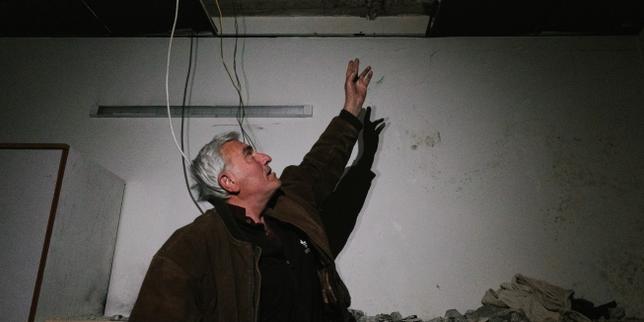
When Iran launched missiles at Erbil in early 2024, claiming to target Israeli "spy centers," it hit civilian homes. It killed businessmen and their families. This shattered the illusion that Erbil was an untouchable bubble. For the Christian community in Ankawa, it felt like a recurring nightmare. The fear isn't just about a single strike; it’s about the slow erosion of the will to stay.
Many young people are looking at the exits again. They’re applying for visas to Australia, Canada, or France. They don't want to live in a place where their safety depends on whether two governments 500 miles away decide to de-escalate that week. It's a brain drain that Ankawa might not recover from if the pressure doesn't let up.
The Role of External Powers
Let's be blunt. Iran views the Kurdistan Region, and Erbil specifically, as a proxy for Western interests. They see the presence of US troops as a direct threat to their "axis of resistance." Ankawa just happens to be the unlucky neighbor.
On the other side, the West offers plenty of rhetoric but limited protection. Air defense systems like the C-RAM or Patriot batteries catch a lot of the incoming threats, but they aren't perfect. Debris falls. Shrapnel hits buildings. The psychological toll of hearing those sirens is a form of warfare in itself.
There's also the issue of the Popular Mobilization Forces (PMF). These militias have significant influence in the areas surrounding the KRI. Some of them have openly threatened the regional government. For a resident of Ankawa, seeing these groups gain more political and military ground in Iraq feels like a tightening noose. It’s not just about what Iran does from its own soil; it’s about what its proxies do from within Iraq’s borders.
Misconceptions About the Safety of the North
People often think of the Kurdistan Region as "the other Iraq"—the safe, prosperous part. While it has been more stable than Baghdad or Basra for decades, that stability is fragile. It’s built on a delicate balance of power that is currently being tested more than ever.
The idea that Erbil is shielded from the "Iran war" or regional instability is a myth. The geographical proximity to the airport makes Ankawa a frontline, whether the people living there like it or not. We need to stop treating these incidents as isolated events and start seeing them as a sustained campaign of intimidation.
What Needs to Happen Now
If you're following this situation or have ties to the region, don't just look at the headlines about "missiles intercepted." Look at the people. Supporting the local economy in Ankawa is one small way to help. If the businesses die, the town dies.
- Stay informed through local sources. International news often misses the nuance of the district’s internal politics. Follow Kurdish and Assyrian/Chaldean news outlets that have feet on the ground.
- Advocate for better protection. There’s a constant debate about whether the US or the KRG should do more to harden the defenses around civilian areas. Pressure on international bodies to recognize these strikes as violations of Iraqi sovereignty is essential.
- Support local NGOs. Organizations working on the ground in Ankawa provide more than just aid; they provide a reason for people to stay by building community infrastructure and supporting the youth.
The people of Ankawa are resilient. They’ve rebuilt their lives before. But they shouldn't have to keep doing it. The current state of being "pris en tenaille"—caught in the pincers—is unsustainable. It’s time for the international community to realize that when Erbil is targeted, the most vulnerable are the ones who have already lost the most. Don't look away while another ancient community considers leaving for good.