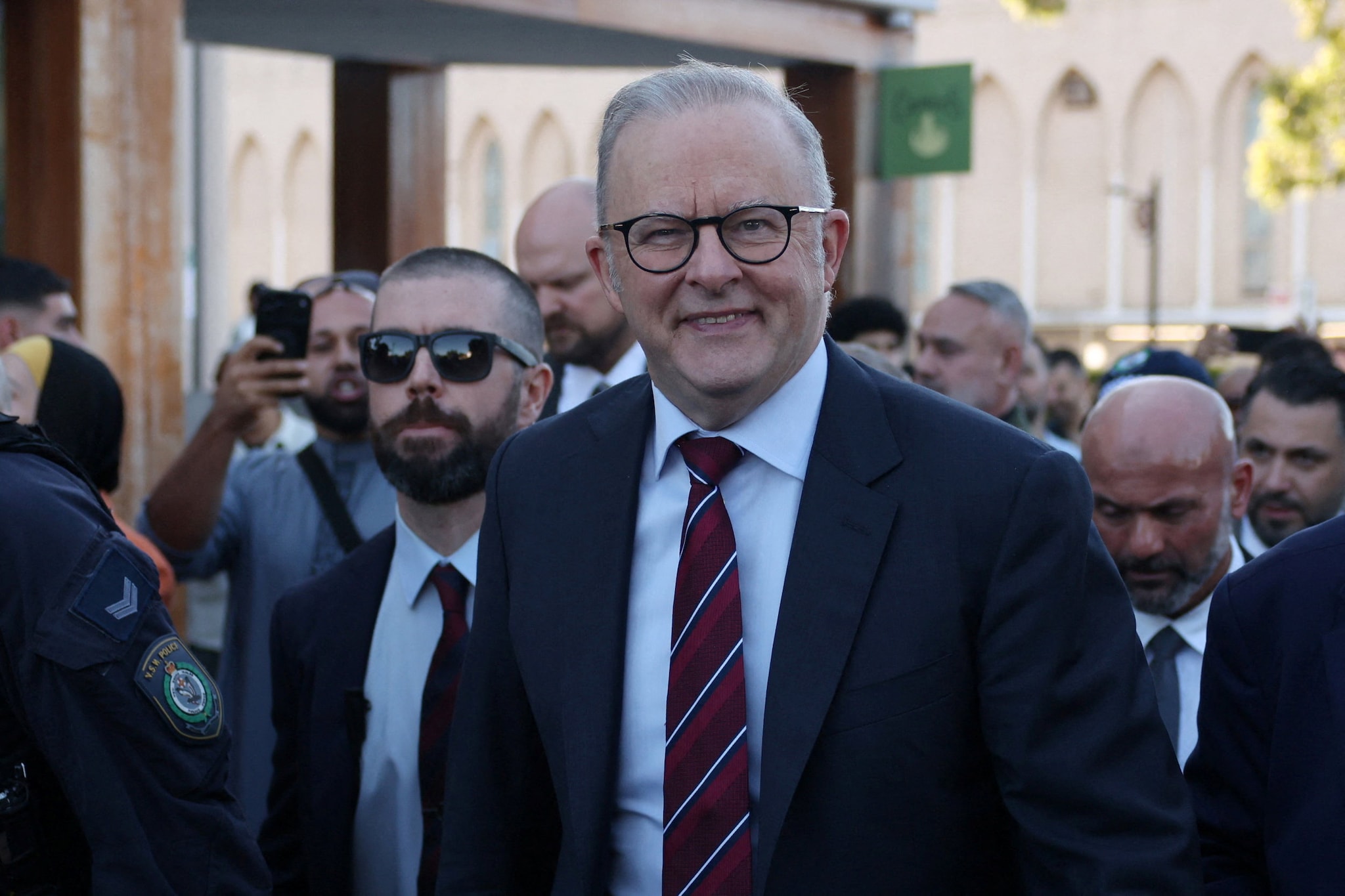
The war between the US, Israel, and Iran isn't just a headline on your phone anymore. It's hitting your wallet every single time you pull into a BP or Ampol. With global oil prices screaming past $116 per barrel, Prime Minister Anthony Albanese finally pulled the trigger on a massive relief package. Starting April 1, 2026, the federal government is halving the fuel excise for three months. That’s a 26.3 cents per liter drop overnight.
If you’re wondering if this is a desperate political play or a genuine shield against a global crisis, you aren't alone. The reality is that the Strait of Hormuz—the world's most important oil chokepoint—is effectively a combat zone. Australia, which relies heavily on imported refined fuels from Singapore and South Korea, is sitting right in the line of fire. This tax cut is a "shock absorber," but let's be honest about what it can and can't do.
The Albanese Fuel Relief Plan by the Numbers
This isn't just a small tweak. It’s a $2.5 billion fiscal gamble designed to stop the Australian economy from stalling. For the average driver with a 65L tank, you’re looking at saving nearly $19 every time you fill up.
But the relief isn't just for commuters. The government is also wiping out the Road User Charge for heavy vehicles for three months. This is huge for the trucking industry. Most people don't realize that truckies often wait 30 to 90 days to get paid for a job. When diesel prices spike 40% in a month, those small family-run transport businesses go bust. By dropping the road charge to zero, the government is trying to keep the supermarket shelves full without prices doubling.
Key pillars of the emergency package
- Excise Cut: 50% reduction (26.3 cents/liter) on petrol and diesel.
- Business Loans: $1 billion in interest-free loans for transport and fertilizer producers.
- Reserve Release: 20% of national diesel and petrol reserves have been hit to stop regional pumps from running dry.
- Price Gouging Penalties: Double fines for service stations caught hiking prices beyond the international benchmark.
Why the Middle East War is Starving Australian Pumps
You might be asking why a war thousands of kilometers away causes a service station in Dubbo to run out of premium unleaded. It’s about the "Just-In-Time" supply chain we’ve relied on for decades. Australia has very little domestic refining capacity left. We buy our fuel from Asian hubs, which in turn get their crude from the Middle East.
When the conflict escalated in February 2026, shipments started getting cancelled. Some tankers are taking the long way around Africa to avoid the chaos, adding weeks to delivery times. This "physical disruption" hasn't fully hit our shores yet, but the fear of it has. Panic buying in New South Wales and Queensland already saw hundreds of stations run dry last week.
It's a classic supply-and-demand nightmare. Supply is shaky, and demand spiked because everyone tried to fill up at once. The Prime Minister’s message is blunt: "Don't take more than you need." Honestly, it’s good advice. Hoarding fuel only makes the shortage realer, faster.
The ACCC and the Bowser Battle
One of the biggest concerns is whether that 26-cent tax cut actually makes it to your tank. We’ve all seen it before—the government cuts a tax, and the oil companies magically find a reason to keep prices high.
This time, the ACCC (Australian Competition and Consumer Commission) has been given "teeth." They're monitoring prices daily and can issue on-the-spot fines. But here’s the catch: fuel already in the underground tanks at your local station was taxed at the old, higher rate. It might take a few days for the "cheap" fuel to work its way through the system. Don't expect a price drop the second the clock strikes midnight on April 1.
What You Should Do Now
While the tax cut helps, we’re still in a high-inflation environment. The Reserve Bank is warning that inflation could still hit 5% by June. This relief is a band-aid, not a cure for the war-driven energy crisis.
- Check the Apps: Use apps like FuelCheck (NSW) or Simples (VIC) to find the stations that have actually lowered their prices. Some will be faster than others.
- Conserve where possible: The government is pushing public transport for a reason. If you can leave the car at home once a week, do it. Every liter saved keeps the national reserve a bit fuller for essential services.
- Watch the heavy vehicle impact: If you run a business that relies on freight, look into the new interest-free loans under the National Reconstruction Fund. That capital might be the only thing that keeps you liquid if the war drags on into the second half of 2026.
The war in Iran doesn't look like it's ending tomorrow. These measures buy us three months of breathing room. After that, if the Strait of Hormuz remains closed, the government will have some much harder choices to make regarding rationing and long-term energy sovereignty. For now, enjoy the slightly cheaper tank of gas, but don't assume the "old prices" are coming back anytime soon.
Next Steps: Monitor your local fuel prices through government-verified apps and ensure you aren't over-filling. If you’re a business owner in the transport sector, contact the Department of Industry to apply for the interest-free relief loans before the April 15 deadline. Stay updated on National Cabinet announcements, as the four-stage energy security plan could move to "Targeted Action" if shipments don't stabilize by May.