Australia just sent a crystal-clear message to the world: some assets are too important to trade. If you've been watching the mining sector, you've seen the tensions brewing for years. On Monday, May 18, 2026, those tensions boiled over. The Australian government ordered six shareholders to dump their stakes in Northern Minerals, a Perth-based rare earths company. It's the second time in two years Canberra has used the "national interest" hammer to smash China-linked investment in this specific firm.
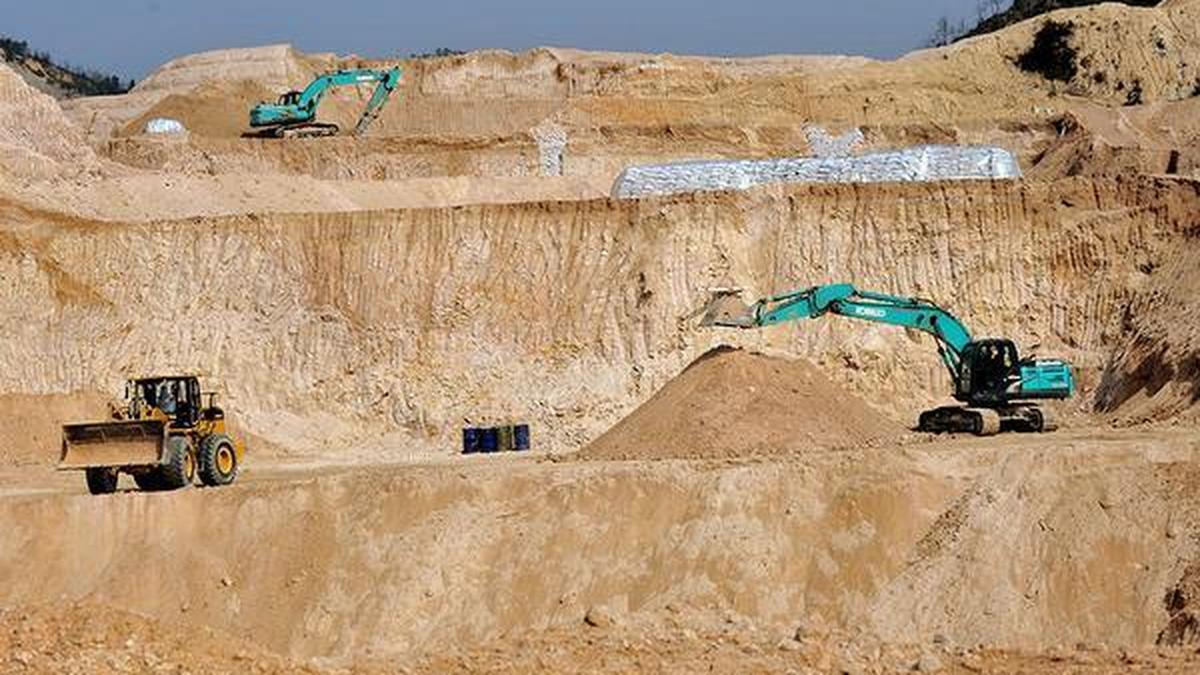
Why does a company with a market cap of around $229 million warrant this much attention? It’s not about the current bank balance. It’s about what’s in the dirt. Northern Minerals owns the Browns Range project. This site isn't just another hole in the ground; it’s a potential powerhouse for heavy rare earth elements like dysprosium and terbium. These aren't just fancy names from the periodic table. They're the secret sauce for EV motors and high-end military tech. If you control the supply of these minerals, you control the future of green energy and defense.
Right now, China basically owns the market. Australia is done being a passive observer.
The crackdown by the numbers
Treasurer Jim Chalmers didn't stutter with this order. The six targeted entities hold nearly 27% of Northern Minerals' outstanding float. They have exactly two weeks to sell. It's a brutal deadline. This isn't just about blocking a new deal; it's about forcing out investors who are already inside the house.
The list of those ordered to divest includes:
- Vastness Investment Group (the top dog with about 7%)
- Hong Kong Ying Tak Ltd
- Real International Resources Ltd
- Qogir Trading & Service Co Ltd
- Chuanyou Cong
- Zhongxiong Lin
Five of these are tied to China or Hong Kong. One is tucked away in the British Virgin Islands. The sheer volume of the forced sale—over a quarter of the company—sent the stock price tumbling more than 8% in early Monday trade. Investors hate uncertainty, and "sell everything in 14 days" is the definition of a market shock.
Fool me once, shame on you
You might remember a similar drama back in 2024. Back then, the government told five investors to walk away. One Chinese company even tried to fight it in court. They lost. But here’s where it gets spicy: the Treasury recently got wind that some of those 2024 orders were allegedly dodged.
Word on the street is that at least three of the investors from the original 2024 crackdown didn't actually sell their shares to the open market. Instead, they reportedly shuffled them over to Hong Kong Ying Tak Ltd—one of the companies targeted in this new 2026 order. It looks like a game of regulatory whack-a-mole. Canberra isn't laughing. By ordering this massive divestment now, the government is essentially saying it won't tolerate shadow ownership or "coordinated accumulation" strategies designed to bypass foreign investment rules.
The strategic heavy lifting
Let’s talk about why Browns Range is the hill Australia is willing to die on. Most rare earth mines produce "light" rare earths. Browns Range is different. It’s a xenotime-hosted deposit, which means it’s rich in heavy rare earths.
Dysprosium is the big one here. It keeps magnets from losing their juice when they get hot. Think about an electric vehicle motor or a missile guidance system working under extreme thermal stress. Without dysprosium, they fail. China currently processes nearly all of the world's heavy rare earths. If Australia can get Browns Range into production, it becomes the largest source of dysprosium outside of Chinese control.
The US is just as interested as Australia. The Export-Import Bank of the United States has already dangled roughly $500 million in potential financing for the project. This isn't just a business deal; it’s a security alliance.
Moving beyond the China monopoly
For decades, we’ve lived in a world where "cheapest wins." China won that race by subsidizing its rare earth industry and keeping environmental standards low. That era is over. Western nations are now willing to pay a "security premium" to ensure they aren't held hostage during a trade war.
Northern Minerals has already signed a deal to supply ore to Iluka Resources’ Eneabba refinery. The Australian government has already poured $1.25 billion into that refinery. Everything is being set up to create a closed-loop supply chain that starts in the Western Australian desert and ends in high-tech factories in the US, Japan, or Europe—without ever touching a Chinese port.
What happens next for investors
If you’re holding Northern Minerals shares or looking at the critical minerals space, the next few weeks will be volatile. Forced selling of 27% of a company’s stock in 14 days usually creates a "liquidity event." Basically, there’s a massive supply of shares hitting the market with no guarantee of enough buyers to catch them at current prices.
However, once the register is "cleaned" of these contested holdings, the path to financing becomes much clearer. Institutional investors from "friendly" nations are much more likely to step in once the threat of a Chinese board-room coup is gone.
The game plan for those following this space:
- Watch the volume: Keep a close eye on the ASX ticker (NTU) over the next two weeks. If the volume spikes and the price stabilizes, it means "friendly" capital is absorbing the forced sales.
- Monitor the DFS: Northern Minerals completed its Definitive Feasibility Study (DFS) in late 2025. The project is technically ready; it just needs the political noise to die down so the checks can be signed.
- Look for the US link: Watch for formal confirmation of the US Ex-Im Bank financing. That’s the ultimate de-risking signal.
Don't expect Beijing to stay quiet either. We've already seen China leverage export controls on processing tech in retaliation for Western tariffs. This move by Canberra adds more fuel to that fire. Australia is betting that the long-term security of its minerals is worth a short-term hit to its trade relationship. Given the strategic importance of dysprosium, it's a bet they feel they have to take.