Bangladesh has officially entered a high-stakes race against time, seeking $2 billion in emergency funding from development partners to prevent a systemic collapse of its energy infrastructure. Prime Minister Tarique Rahman issued the urgent appeal during the April 2026 Asia Zero Emission Community summit, framing the request not as a routine loan, but as a survival package. The capital is intended to buffer the economy against a perfect storm of soaring fuel prices triggered by conflict in the Middle East and a domestic liquidity trap that has left state-run utilities drowning in debt.
The immediate trigger is a widening gap between what it costs to import fuel and what the country can actually afford to pay. With 95% of its oil and gas needs imported, Bangladesh is currently hyper-exposed to the volatility of the Strait of Hormuz and the skyrocketing costs of the liquefied natural gas (LNG) spot market. While the $2 billion might keep the lights on through the summer of 2026, it barely scratches the surface of the **$4.8 billion surge** in annual import costs projected for the current fiscal year.
The Liquidity Trap and the $2 Billion Band-Aid
The $2 billion request is split between major multilateral lenders. The International Monetary Fund (IMF) has already committed $1.3 billion, while the Asian Development Bank (ADB) is expected to provide $500 million in budget support. These funds are designed to protect dwindling foreign currency reserves, which have been hammered by the rising cost of energy. In March 2026, state-run Petrobangla was forced to buy LNG cargoes on the spot market at more than double the rates seen just two months prior.
However, the crisis is not merely an external shock. It is the result of a domestic financial architecture that has reached its breaking point. The Bangladesh Power Development Board (BPDB) is currently sitting on a payment backlog exceeding 250 billion BDT ($2.05 billion). This is money owed to private power producers (IPPs) who have been supplying electricity to the grid without regular payment since early 2025.
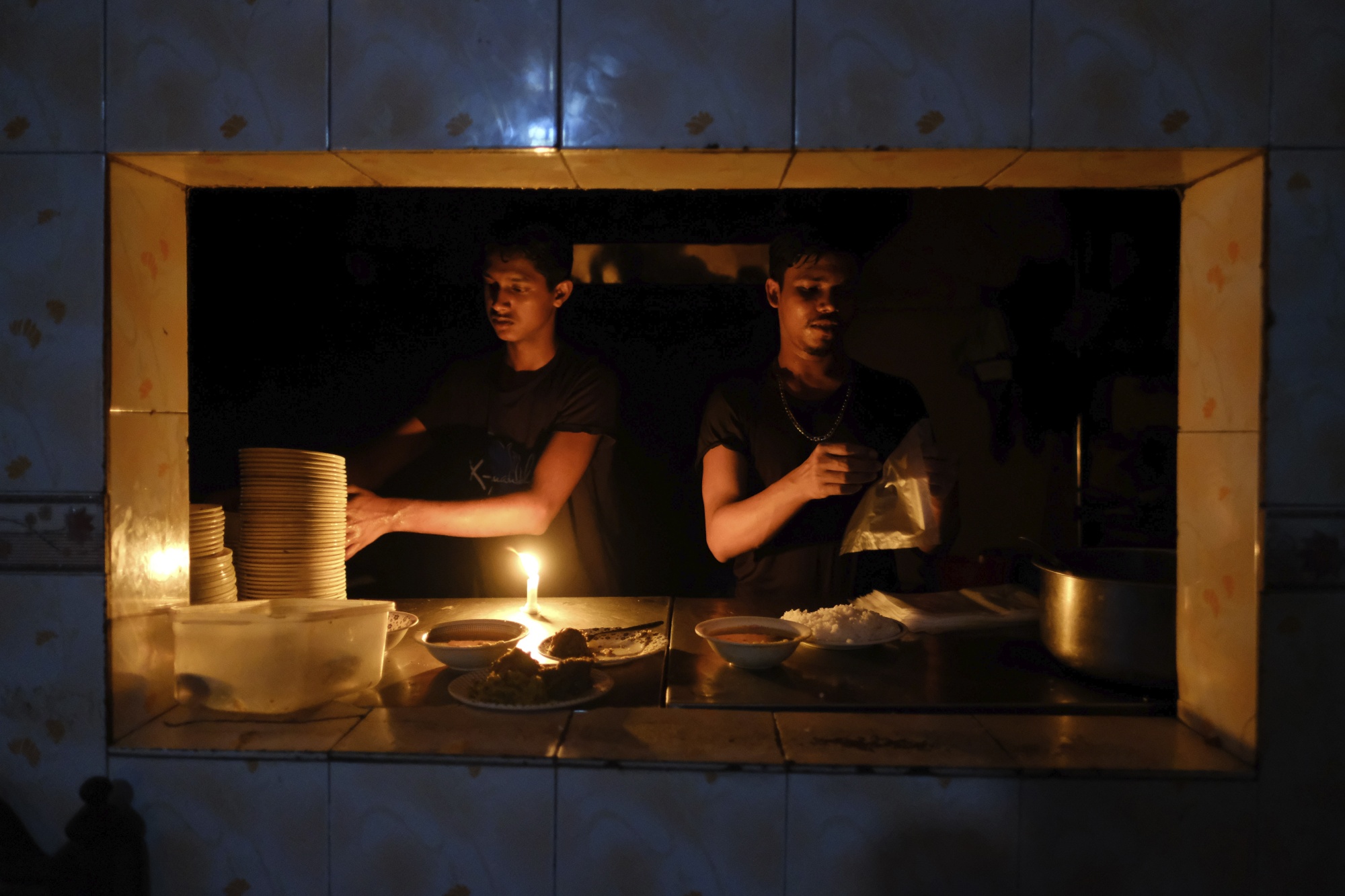
The internal mechanics are simple and devastating. The government sells electricity to consumers at a subsidized rate that is far below the cost of production. To make up the difference, the state must inject massive subsidies—roughly 386 billion BDT in the last fiscal year alone. When the government runs out of cash, the IPPs are the first to suffer. They can no longer afford the furnace oil or coal required to run their plants, leading to forced shutdowns and the rolling blackouts that have become a hallmark of the 2026 summer.
The Adani Factor and the Cost of Bad Deals
A significant portion of the financial drain stems from "unfair" power purchase agreements (PPAs) signed under previous administrations. A 2026 official probe revealed that Bangladesh pays an estimated 4.0 to 5.0 US cents extra per unit to India’s Adani Power. This single contract is estimated to cost the country an additional $400 million to $500 million annually.
While the government cleared $437 million in arrears to Adani in June 2025 to keep the 1,600 MW Godda plant operational, the long-term math remains bleak. The national committee investigating these deals suggests that the total loss over the 25-year contract could aggregate to **$10 billion**.
These legacy contracts create a rigid "capacity payment" structure. Bangladesh is obligated to pay these plants even if they aren't generating power, simply for the "privilege" of having them available. In a landscape where 23% of the country's power plants are currently inoperable due to gas shortages, the state is essentially paying for ghosts while the population sits in the dark.
The Fossil Fuel Lock-In
Despite the clear risks of import dependency, the current strategy remains heavily tilted toward gas. There are 41 proposed new LNG power plants in the pipeline, at an estimated cost of $50 billion. If completed, these would triple the country's capacity but leave it forever tethered to the price whims of Qatar and the volatility of global shipping lanes.
The alternative—renewable energy—has largely stagnated. To reach its 2030 goal of 20% renewables, Bangladesh needs to add 760 MW of capacity every year. As of February 2026, only 358 MW was under construction. The capital that could have been used to build solar or wind farms is instead being burned in the spot market to buy emergency LNG.
The Industrial Fallout
The energy crunch is not just a domestic inconvenience; it is a direct threat to the Ready-Made Garment (RMG) sector, the backbone of the national economy. To manage the crisis, the government has suspended operations at most fertilizer plants and introduced fuel rationing for vehicles.
Industrialists warn that if the $2 billion isn't disbursed and deployed immediately, the resulting power cuts will lead to missed shipping deadlines and the loss of international contracts. The apparel sector cannot survive on expensive diesel generators when the grid fails. The rising bulk electricity prices—pushed by the IMF’s demand to cut subsidies—are further eroding the global competitiveness of Bangladeshi exports.
A Three-Pronged Strategy for Survival
The government’s "three-part strategy" to manage the crisis involves:
- Securing Emergency Loans: The $2 billion from the IMF, ADB, and potentially the World Bank to protect reserves.
- Demand Management: Drastic measures including adjusted office hours, market closures, and the "Fuel App" to prevent hoarding.
- Diversified Sourcing: Attempting to move away from Middle Eastern reliance by exploring energy imports from North America and Africa.
While these moves are necessary, they are defensive. The fundamental problem is that Bangladesh is attempting to power a 21st-century economy with a financial model that relies on 20th-century subsidies and 19th-century fuels.
The $2 billion is a bridge, but the ground on the other side is shifting. Without a radical pivot toward domestic renewable generation and a cold-blooded renegotiation of expensive fossil fuel contracts, the country will find itself back at the negotiation table with development partners every single summer. The era of cheap, imported energy is over, and the cost of realizing that fact is currently being paid by every household and factory in the country.
Securing the $2 billion loan is the only way to prevent a total blackout in 2026, but it also increases the national debt at a time when the currency is under extreme pressure. The government must now choose between the immediate comfort of imported gas and the long-term security of energy independence.