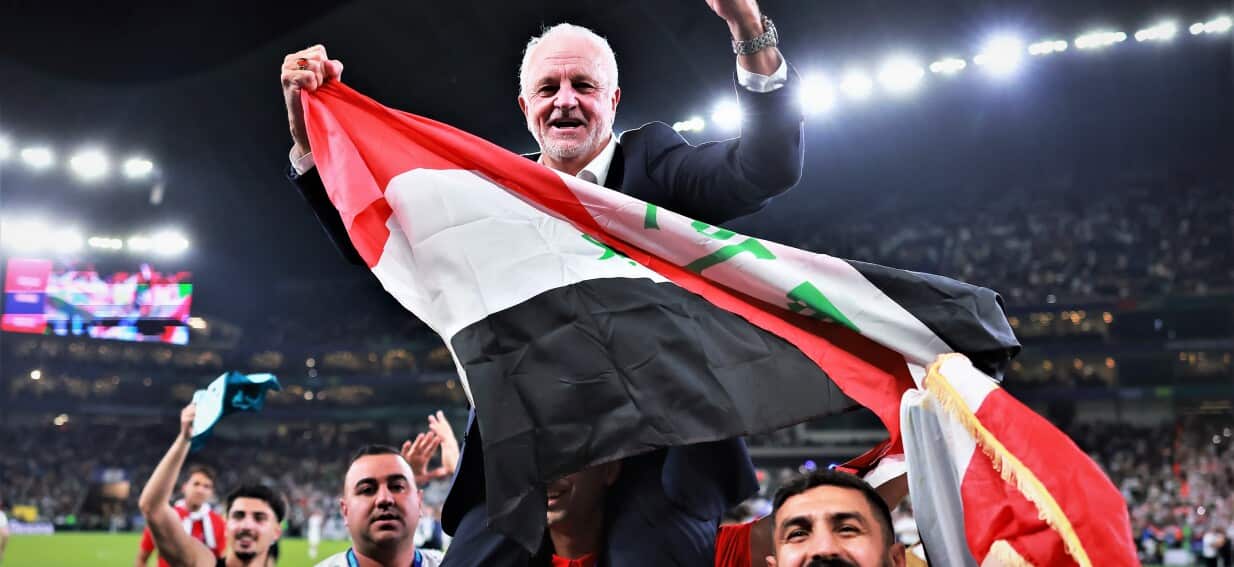
The push to grant Graham Arnold Iraqi citizenship is not merely a recruitment drive for a new head coach. It is a calculated move by the Iraq Football Association (IFA) to bypass the logistical and bureaucratic hurdles that have historically crippled the national team’s stability. By securing a second passport for the former Australian manager, Iraqi officials are attempting to bridge the gap between Western technical standards and the complex reality of Middle Eastern football administration. This is a maneuver designed to secure long-term commitment in a region where coaching tenures are often measured in months, not years.
The Passport Strategy Explained
International football is usually a straightforward marriage of talent and tactics. However, in Baghdad, the pitch is only half the battle. The IFA’s pursuit of Arnold centers on a specific administrative loophole. Under current regulations, foreign coaches often face significant tax implications, visa delays, and travel restrictions that make consistent residency in Iraq a nightmare.
Granting Arnold citizenship effectively removes the "outsider" status that has plagued previous regimes. It allows the coach to move freely, integrate into the local youth development systems, and—crucially—symbolizes a level of protection from the shifting winds of Iraqi sports politics. It is a play for permanence.
Breaking the Cycle of Short Termism
Iraq has a history of burning through managers. Since 2011, the Lions of Mesopotamia have seen a revolving door of leadership, ranging from local legends to high-profile Europeans like Dick Advocaat. Most failed not because of a lack of tactical acumen, but because they managed the team via remote control from Dubai or Europe.
Arnold represents the antithesis of the "fly-in" coach. His six-year stint with the Socceroos was defined by a grueling commitment to cultural cohesion and a "never say die" mentality. The Iraqi leadership knows that to extract the potential of their golden generation—the same one that captured the 2023 Gulf Cup—they need a builder. They need someone who isn't looking for the exit at the first sign of a better offer or a security flare-up.
Why Graham Arnold Fits the Iraqi Blueprint
Arnold’s appeal lies in his experience navigating the Asian Football Confederation (AFC). He understands the heat of Basra, the defensive blocks of Central Asian teams, and the unique pressure of World Cup qualification in this corridor.
- Defensive Rigor: Arnold’s Australian sides were notoriously difficult to break down. Iraq possesses immense flair but has historically struggled with structural discipline during transitions.
- Mental Fortitude: He specializes in the "us against the world" narrative. For an Iraqi squad that often feels overlooked on the global stage, this psychological alignment is a perfect match.
- Youth Integration: Arnold successfully transitioned a talent-thin Australian pool into a competitive World Cup unit. Iraq has the talent; they lack the pathway.
The prospect of Arnold holding an Iraqi passport isn't just about ease of travel. It is about accountability. A citizen cannot simply walk away when the pressure mounts. He becomes part of the fabric of the nation’s sporting identity.
The Risks of Naturalizing a Manager
This strategy is not without its detractors. Local critics argue that the move undermines Iraqi coaches who understand the domestic league’s nuances better than any foreigner. There is also the question of optics. Naturalizing a coach for a sporting advantage can be seen as a desperate measure, one that risks alienating the very fans it seeks to inspire if results do not follow immediately.
Furthermore, the legal framework for dual citizenship in Iraq is restrictive. While the "sports citizenship" path is a shortcut used by nations like Qatar or the UAE, Iraq’s constitutional requirements are more rigid. The IFA is essentially asking for a high-level executive intervention to make this happen. If the government grants it, Arnold becomes the most scrutinized man in Baghdad.
The Financial Undertow
Money in Iraqi football is rarely transparent. Funding for the national team is a mix of government grants, private sponsorship, and political patronage. By bringing Arnold in as a "citizen-coach," the IFA might be attempting to restructure his compensation package to avoid the massive upfront fees typically demanded by top-tier foreign managers.
It is a high-stakes gamble on loyalty. If Arnold accepts, he isn't just signing a contract; he is changing his identity for a shot at taking a sleeping giant to the 2026 World Cup.
The Cultural Bridge
Football serves as the primary social lubricant in Iraq. It is the one force that transcends sectarian lines and political upheaval. The IFA understands that the national team is the country’s greatest PR asset.
A coach of Arnold's pedigree, backed by the full legal weight of Iraqi citizenship, sends a message to the rest of Asia: Iraq is no longer a chaotic outlier. They are professionalizing. They are anchoring their future to a proven system.
Whether Arnold can handle the weight of 40 million expectations is a different matter. The pressure of the Sydney media is a whisper compared to the roar of a disgruntled Basra International Stadium. This isn't just about football tactics; it's about surviving a political ecosystem that eats outsiders for breakfast.
The move to naturalize Graham Arnold is a recognition that the old way of hiring foreign talent has failed. If you want a man to lead a nation, you might have to make him a part of it first. This isn't a recruitment strategy. It's an annexation of expertise.
The IFA is betting that a passport can buy the one thing money hasn't been able to: stability.