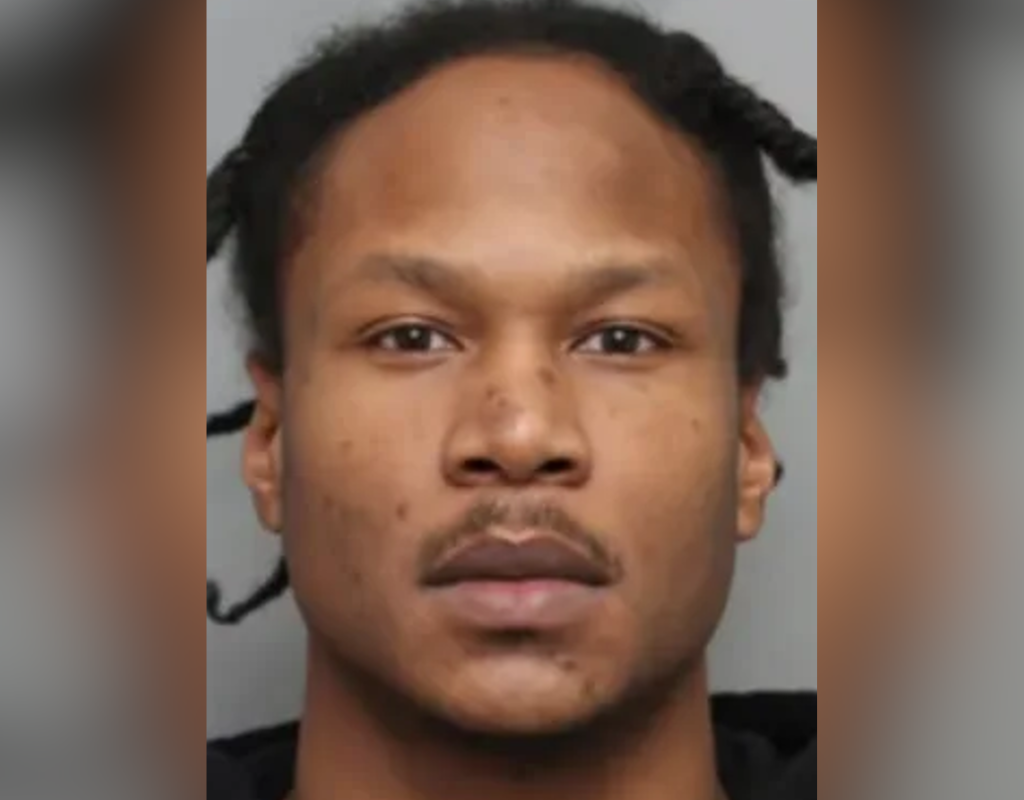
One of Canada's most notorious fugitives, a man wanted for a high-profile murder and long-evading a national dragnet, has finally been cornered—not by the Royal Canadian Mounted Police on his home turf, but by United States Department of Homeland Security agents in a quiet American neighborhood. This arrest reveals a staggering failure in cross-border intelligence and highlights how easily major criminals exploit the world’s longest undefended border. While the headlines focus on the capture, the real story lies in the months of undetected movement that allowed a high-risk suspect to secure housing and potentially build a new life under the nose of federal authorities.
A Failure of Surveillance at the Forty Ninth Parallel
The suspect, central to a brutal Canadian homicide investigation, managed to vanish after the crime, triggering a "Red Notice" and a spot on Canada's most-wanted lists. For months, investigators in Toronto and Ottawa worked under the assumption that he was either deep underground in a local safe house or had fled to a non-extradition country. They were wrong. He was moving south.
The transition from a Canadian fugitive to a U.S. resident is not as difficult as the Department of Homeland Security (DHS) would like to admit. Despite the billions spent on thermal imaging, drones, and ground sensors, the vast stretches of forest and farmland between the two nations remain porous. This suspect didn’t just cross the line; he integrated. This wasn't a desperate dash through the brush. It was a calculated relocation that required a level of logistical support—fake IDs, cash, and contacts—that suggests a sophisticated network operating across the Great Lakes region.
The DHS Charges and the Legal Pivot
The U.S. government isn't just holding him for extradition. They have leveled a series of federal charges that act as a legal anchor, ensuring he remains in American custody while the bureaucratic machinery of international law grinds forward. These charges typically include illegal entry, visa fraud, or the possession of fraudulent identity documents. By charging him domestically, the U.S. Attorney’s Office gains significant leverage.
It is a tactical move. If Canada’s extradition request hits a snag or a technicality in a treaty, the U.S. charges provide a "safety net" to keep a dangerous individual off the streets. This reflects a shift in how DHS handles high-value targets. They are no longer content to simply hand over suspects at the bridge. They want to document the path of entry to identify the "coyotes" or criminal facilitators who made the escape possible. Every piece of paper this suspect used to rent an apartment or open a bank account is now a breadcrumb leading to a larger criminal infrastructure.
Money and Shadows
Living as a fugitive in the United States is expensive. You cannot work a legal job. You cannot easily access the healthcare system. You certainly cannot fly on a commercial airline. To survive for months, the suspect needed a steady stream of "clean" cash. Investigative sources suggest that the funding likely originated from organized crime elements back in Canada, moved through decentralized apps or physical cash drops.
This reveals the most uncomfortable truth for law enforcement: the border is an abstraction for organized crime. While a family of tourists might wait two hours at a crossing in Niagara Falls, a criminal enterprise sees the border as a series of manageable risks. They utilize "scout" vehicles to check for patrols and exploit the "gray zones" where local police and federal agents have overlapping or unclear jurisdictions.
The Problem of Shared Databases
Why did it take so long? The United States and Canada share the CPIC and NCIC databases, meant to flag individuals the moment a fingerprint is scanned or a name is run during a routine traffic stop. However, these systems rely on a "hit" occurring. If a suspect remains disciplined, avoids speeding, and stays away from the nightlife areas where police presence is high, they can effectively become a ghost.
The suspect in this case wasn't caught because of a high-tech satellite or a facial recognition scan in a crowded mall. He was caught through old-fashioned police work—a tip, a spotted license plate, or a discrepancy in a rental application. It was the human element that failed him, not the digital one.
The Extradition Chess Game
Now begins the long walk back to a Canadian courtroom. Extradition is rarely a fast process. Defense attorneys will likely argue that their client faces "undue hardship" or that the political climate surrounding the case in Canada precludes a fair trial. They might even challenge the legality of the initial U.S. arrest to suppress evidence found during his capture.
While the lawyers argue, the communities on both sides of the border are left wondering how many others are currently hiding in plain sight. There is a specific kind of anxiety that comes with learning a wanted murderer was your neighbor, checking his mail and mowing his lawn while a national manhunt was supposedly closing in.
Pressure on the Trudeau Administration
This capture puts a fresh spotlight on the Canadian government’s inability to keep high-risk suspects within their borders. If a man on a most-wanted list can simply drive or walk into the U.S., the integrity of Canada’s internal exit controls is non-existent. There is no "exit check" when leaving Canada for the U.S. by land. Once you are past the Canadian side of the bridge, you are in a no-man's land until you hit the American booth. If you avoid the booth, you are gone.
Conservative critics are already pointing to this case as evidence of a "soft" border policy. They argue that the focus has been so heavily weighted toward the southern border with Mexico that the northern boundary has become a secondary concern, despite the fact that it serves as a primary transit point for high-level criminal actors and illegal firearms.
Strategic Realignment
The DHS involvement signals that the U.S. is tired of being a dumping ground for the North’s problems. By bringing federal charges, the U.S. is sending a message to Canadian criminal organizations: if you send your people here to hide, we will prosecute them under our laws before we even consider sending them back to yours. This adds a layer of risk for the fugitive. They aren't just facing a trial for the original crime; they are facing years in a U.S. federal penitentiary for the act of being here.
The arrest was a victory for the agents on the ground, but for the strategists in Washington and Ottawa, it is a sobering reminder of the gaps in the fence. The suspect is behind bars, but the route he took, the people who helped him, and the system that failed to see him remain very much active.
Public safety officials must now decide if the "trust-based" model of northern border security is still viable in an era of globalized crime. If a single suspect can navigate this landscape so effectively, the current protocols aren't just aging; they are obsolete. The focus must shift from reacting to captures to proactively hardening the transit points that allow these escapes to happen in the first place. This requires more than just more boots on the ground; it requires a radical transparency in intelligence sharing that currently stops at the border line.