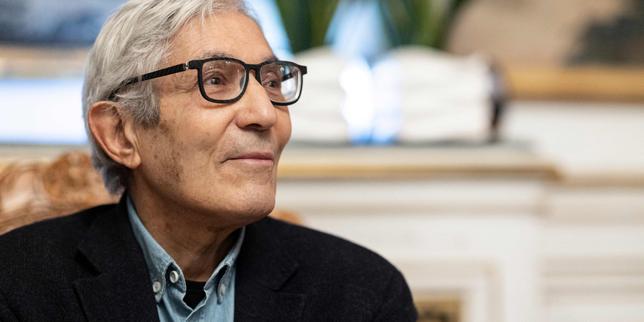
Boualem Sansal isn't backing down. After spending weeks in an Algerian prison for nothing more than his ideas, the world-renowned novelist is doing something few would dare. He's suing the man at the very top. Sansal has officially launched legal proceedings against Algerian President Abdelmadjid Tebboune. This isn't just a legal spat between a writer and a politician. It's a full-blown collision between the freedom of the mind and the heavy hand of a state that seems increasingly terrified of its own shadow.
You've probably seen the headlines about his arrest in November 2024. They grabbed him at the airport in Algiers like he was a common criminal. The charge? Undermining state security. It's the classic move in the authoritarian playbook. If you don't like what a writer says, you call them a terrorist or a traitor. But Sansal has lived through the Black Decade. He's seen the worst of what religious extremism and political corruption can do to a country. He doesn't scare easily. Discover more on a connected subject: this related article.
The legal battle for dignity and truth
The core of this lawsuit centers on what Sansal describes as a "judicial kidnapping." When he was snatched at the Algiers airport, he wasn't just detained; he was disappeared for a period, held without proper access to the outside world. His legal team, led by high-profile international lawyers, argues that the Algerian presidency directed a campaign of character assassination and illegal detention that violates both Algerian law and international treaties.
Why sue the President directly? Because in Algeria, nothing happens regarding high-profile political prisoners without the green light from the El Mouradia Palace. By targeting Tebboune, Sansal is stripping away the "plausible deniability" often used by regimes to blame overzealous lower-level officials. He's saying the buck stops with the guy in the suit. More journalism by TIME delves into comparable perspectives on the subject.
It's a bold play. Most people would just take their freedom and run back to France. Sansal did go back to France after his release, but he didn't stay quiet. He’s demanding accountability for the psychological toll and the blatant disregard for due process. He wants the world to see that being a "citizen of the world" doesn't mean you lose your right to challenge your own government's abuses.
Why the Algerian regime is so afraid of a novelist
It sounds crazy when you think about it. How can a 75-year-old man with a pen be a threat to a military-backed government with a massive defense budget? The answer lies in the power of the narrative. Sansal has always been a thorn in the side of the Algerian establishment because he refuses to stick to the "official" version of history.
He talks about the failures of the post-independence era. He critiques the rise of Islamism without holding back. He even dared to visit Israel for a literary festival, a move that the Algerian state treated as an act of treason. In their eyes, he’s a "Zionist agent" or a "French puppet." In reality, he's just a guy who thinks for himself.
The regime's paranoia has reached a fever pitch lately. With falling oil prices and internal dissent simmering under the surface, the government needs enemies. If they can't provide jobs or freedom, they provide "threats" to protect the people from. Sansal fits the bill perfectly for them. He’s intellectual, he’s successful abroad, and he doesn't parrot the state's talking points. By arresting him, they tried to send a message to every other writer and thinker in the country: "Stay in line, or else."
The international fallout Tebboune didn't expect
Tebboune likely thought the world would look the other way. He was wrong. The arrest of Boualem Sansal triggered a massive wave of support from the international community. From Nobel laureates to ordinary readers, the outcry was deafening. French President Emmanuel Macron had to walk a tightrope, trying to maintain diplomatic ties with a key energy partner while facing immense pressure to secure the release of a man who holds French-Algerian dual citizenship.
The lawsuit keeps this fire burning. Usually, these stories fade away once the prisoner is released. By taking legal action, Sansal ensures that the "Sansal Affair" stays on the desks of diplomats and human rights organizations. It forces the Algerian government to keep answering uncomfortable questions at a time when they are trying to improve their international standing.
Breaking down the specific legal claims
Sansal’s legal strategy isn't just about hurt feelings. It’s built on concrete violations. His lawyers are focusing on three main pillars that should concern anyone interested in international law.
First, there's the issue of arbitrary detention. Under the International Covenant on Civil and Political Rights, which Algeria has signed, you can't just snatch someone because you don't like their books. There has to be a legitimate, evidence-based reason. The Algerian state provided none.
Second, the violation of the right to defense. For the first several days of his captivity, Sansal was denied access to his legal counsel. This isn't just a "procedural hiccup." It's a fundamental breach of the right to a fair trial. You can't defend yourself if you don't know what you're being charged with or if you're blocked from talking to an expert.
Third, the defamation and state-sponsored hate speech. The Algerian state-controlled media went on a rampage against Sansal. They called him a traitor and an enemy of the nation before he ever stepped foot in a courtroom. When the presidency allows or encourages this kind of rhetoric, they are effectively poisoning the well of justice.
What this means for the future of dissent in North Africa
If Sansal wins—or even if he just succeeds in getting a hearing in an international court—it changes the game. It shows that the "sovereignty" of a nation isn't a blank check for tyranny. It tells other activists and writers in the region that there is a path toward justice, even if it’s long and expensive.
The Algerian government's reaction has been predictably dismissive. They've called the lawsuit a "theatrical stunt" orchestrated by foreign interests. But you can tell they're nervous. They’ve increased their lobbyist spending in Washington and Brussels. They’re trying to control the damage.
Honestly, it’s about time someone stood up like this. For decades, the North African political landscape has been dominated by leaders who act with total impunity. They treat their countries like private estates and their citizens like tenants who can be evicted at any moment. Sansal is flipping that script. He’s treating the President like a public servant who has failed his duties and violated the law.
How you can support the cause of free speech
You don't have to be a famous novelist to make a difference here. The fight for free speech in Algeria is a fight for free speech everywhere. When one writer is silenced, it makes it easier to silence the next one.
- Read his work: The best way to spite a censor is to read what they tried to hide. Pick up "The German Village" or "2084: The End of the World."
- Stay informed: Don't let these stories drop out of your feed. The Algerian government counts on the world's short attention span.
- Support organizations: Groups like Amnesty International and Reporters Without Borders were instrumental in Sansal's release. They need resources to keep up the pressure on the Tebboune administration.
Sansal's move to sue Tebboune is a masterclass in using the system against itself. He’s taking the very laws the regime claims to uphold and demanding they be applied fairly. It’s a risky, brave, and deeply necessary move. Whether or not an Algerian court ever lets the case proceed is almost beside the point. The point is that the silence has been broken, and once a writer starts talking, you can't just "un-hear" the truth.
Keep an eye on the European Court of Human Rights and other international bodies. That’s where the real fireworks will happen. Sansal isn't just seeking a payout; he's seeking a precedent. He’s making sure that the next time a secret policeman reaches for a writer's collar, they at least have to think about the consequences.
If you care about the intersection of literature and politics, this is the story to watch. It's not just about Algeria. It's about whether or not we believe that words have the power to hold power accountable. Sansal clearly thinks they do, and he's putting his entire life on the line to prove it. Don't look away now. This fight is just getting started.
Check the latest updates from the International Federation for Human Rights (FIDH) for the legal filings and court dates as they become available. Information is the only weapon that actually works against a dictatorship. Use it.