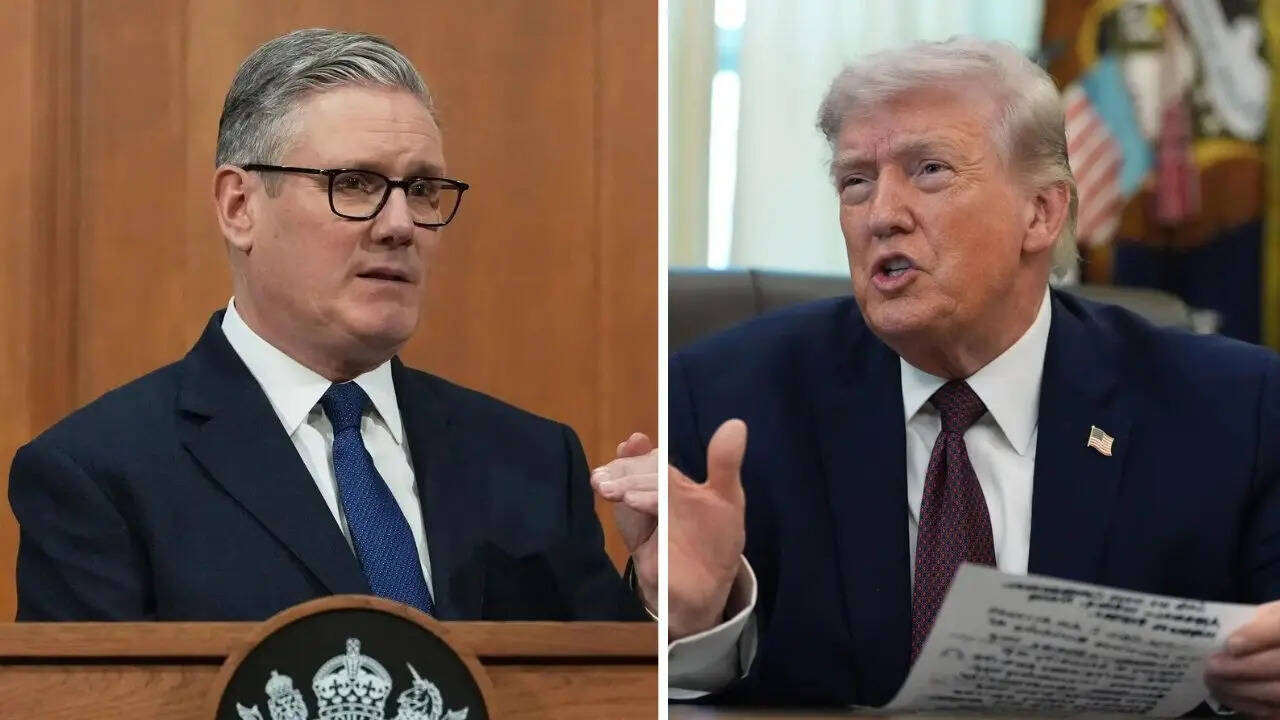
Keir Starmer just drew a hard line in the sand. As the Strait of Hormuz crisis threatens to choke the global economy, the UK Prime Minister is making one thing clear: Britain won't be joining the fight. He's calling it "not our war," a blunt rejection of the pressure coming from across the Atlantic. While Donald Trump slams NATO as a "paper tiger" and tells allies to "go get your own oil," Starmer is betting on a different path. He's shifting the focus from missiles to meetings, hosting a massive 35-nation summit this week to figure out how to reopen the world's most critical energy artery without starting a wider conflagration.
It's a high-stakes gamble. Since the US-Israeli strikes on Iran began on February 28, 2026, the Strait has become a ghost town. Tanker traffic dropped by 90% almost overnight. We're talking about a waterway that handles 20% of the world's oil and LNG. Now, with Iran selectively blocking vessels and demanding "transit payments," the UK is feeling the squeeze at the petrol pump. But Starmer isn't biting on the military bait. He’s doubling down on the idea that the UK’s national interest lies in de-escalation, not "decapitation" missions.
The summit for a locked waterway
The upcoming meeting, chaired by Foreign Secretary Yvette Cooper, isn't just a talk shop. It’s a desperate attempt to coordinate a diplomatic rescue of global trade. Starmer’s goal is to assemble a coalition that includes heavy hitters like France, Germany, Italy, Japan, and the Netherlands. These countries have already signed a "statement of intent" to ensure safe passage, but the reality on the water is much grimmer than a piece of paper.
Right now, the Strait of Hormuz is under a "constrained and controlled" regime. Iran's Revolutionary Guard (IRGC) is basically running a toll booth with teeth. They've made it clear that ships from the US, Israel, and their "allies" aren't welcome. If you want to pass, you play by Tehran's rules—sharing cargo details, crew lists, and paying hefty fees. The UK's strategy is to find a "viable diplomatic and political" way to restore freedom of navigation without having to shoot their way through. It's about gathering enough international weight to force a reopening once the current phase of fighting stops.
Standing up to the paper tiger jibe
While Starmer tries to play the diplomat, Donald Trump is busy burning bridges. In a recent interview with The Telegraph, the US President didn't hold back. He called NATO a "paper tiger" and suggested he's beyond reconsidering US membership—he's looking at the exit. Trump’s beef? He thinks Europe and the UK are "piggybacking" on American military might while refusing to help in the Iran conflict. He even mocked the Royal Navy, claiming the UK doesn't "even have a navy" and pointing to past carrier technical failures.
Starmer’s response was measured but firm. He’s sticking by the alliance, calling NATO the "single most effective military alliance the world has ever seen." It’s a classic "keep calm and carry on" approach, but the underlying tension is real. The UK finds itself in a lonely spot: too close to the US to be ignored, but too wary of another Middle Eastern quagmire to jump in. By insisting this isn't Britain's war, Starmer is trying to shield the UK from the fallout of a conflict that he believes won't solve the energy crisis.
Why the cost of living depends on a narrow strait
You might wonder why a maritime dispute thousands of miles away matters to a family in Birmingham or a business in Leeds. It’s simple: energy. The closure of the Strait is three to five times larger than any oil shock we saw in the 70s or 80s. When 20% of the supply vanishes, prices don't just rise; they explode.
- Saudi Arabia has already cut production by 20% because they can't get the oil out.
- Qatar has declared force majeure on gas contracts.
- Iraq is shutting down fields because there's nowhere to store the oil that isn't moving.
Starmer knows that the most effective way to help with the cost of living in Britain isn't a domestic subsidy—it's getting those tankers moving again. He’s being honest with the public, though. He’s admitted that reopening the route "will not be easy." Military planners are being brought in, but only to look at how to "marshal capabilities" for a post-fighting scenario. For now, the UK is staying in the "diplomatic avenue," even if that avenue looks increasingly like a dead end.
The strategy of selective passage
The most fascinating part of this crisis is how it's being managed on the ground—or the water. It’s not a total blockade. Video footage and tracking data show that ships are still moving, but they’re hugging the Iranian coastline and following Tehran-approved routes. It's a "managed access" system. Iran is using the Strait as a political lever, letting "friends" through while keeping the "enemies" out.
This is exactly what Starmer is trying to navigate. By refusing to join the US "decapitation" strategy, he’s hoping to keep the UK from being permanently blacklisted by the gatekeepers of the Gulf. It's a cold, calculated move. He’s basically saying that Britain will weather the economic storm and use its diplomatic weight to fix the problem rather than adding more fire to the fuse.
If you're watching the markets, keep your eyes on the results of this 35-nation summit. If the UK can actually build a "maritime security" coalition that Iran is willing to talk to, we might see a slow return to normalcy. If not, and if Trump continues to pull the US away from NATO, Britain might find itself squeezed between a hostile Iran and an indifferent America.
Don't expect a quick fix. Start preparing for prolonged energy volatility. Look for updates on the specific "diplomatic measures" Cooper proposes this weekend. If they involve a new international monitoring body for the Strait, that's your signal that a deal might be on the table. If it’s just more "statements of intent," keep your fuel tanks full and your expectations low.