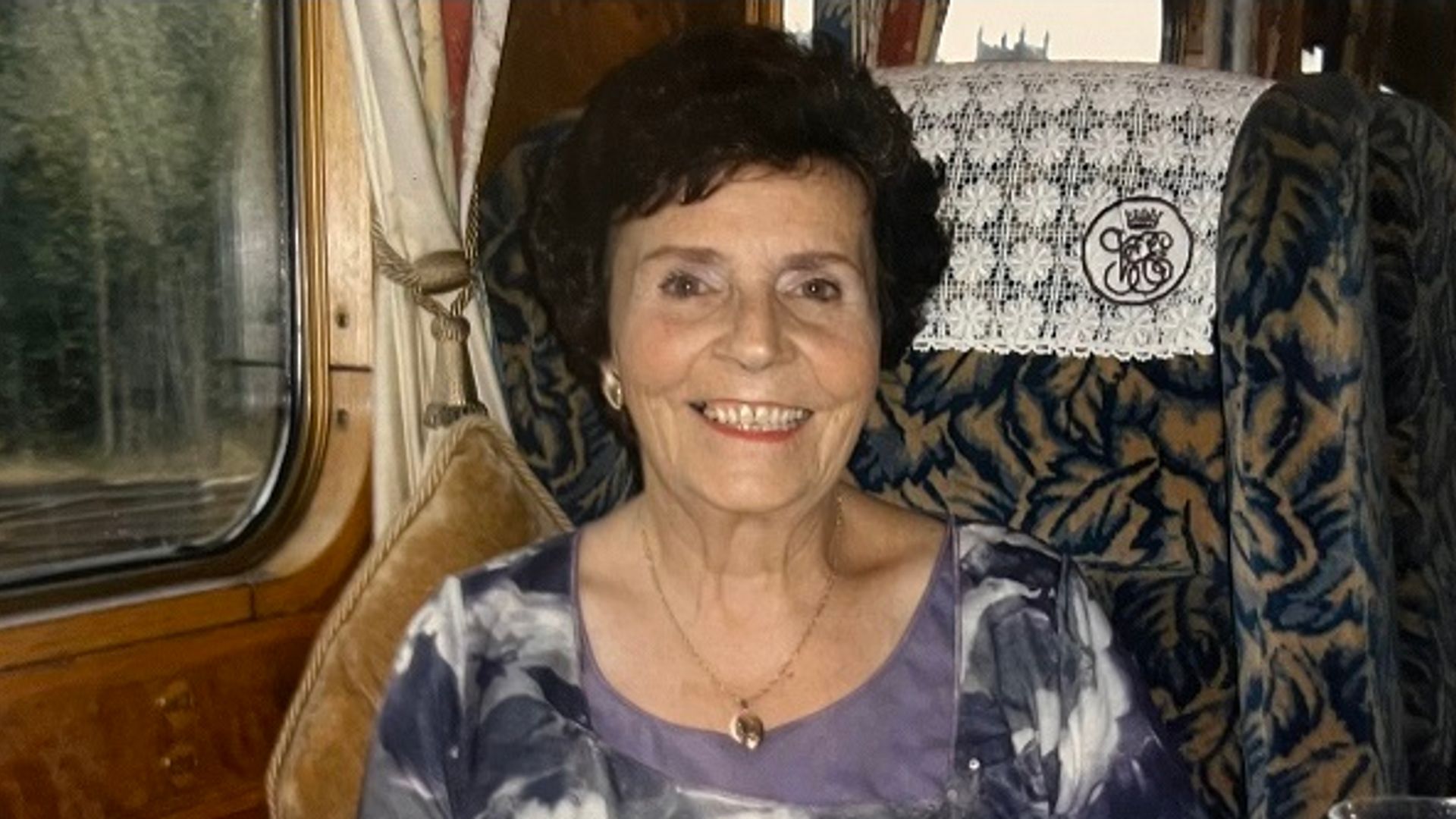
The arrest of 28-year-old Rhianna Maynes for the murder of her 94-year-old great-grandmother, Elizabeth Maynes, is a singular tragedy that points toward a systemic collapse in elder care and mental health oversight. While a standard crime report focuses on the charge—murder—the reality of the situation in the quiet residential pockets of Tweed, Ontario, suggests a much darker narrative about the invisible pressures placed on modern families.
When the Ontario Provincial Police (OPP) responded to a home on Kinlin Road in mid-August, they found a centenarian-to-be whose life had been snuffed out in a place where she should have been safest. The quick progression from a "death investigation" to a first-degree murder charge against a direct descendant suggests the evidence was as brutal as it was immediate. However, to understand this case, we have to look past the mugshot and into the logistics of how a 94-year-old woman ends up under the care or proximity of a young woman with the capacity for such violence. In similar news, read about: The Ceasefire Delusion Why Trump and Putin Are Playing a Game Neither Can Afford to Win.
The Myth of Private Sanctuaries
We often view the home as a fortress. For the elderly, it is frequently a prison of circumstance. As the healthcare system in Ontario continues to buckle under the weight of an aging demographic, the burden of care is shifted away from clinical settings and onto family members. These individuals are often untrained, unsupported, and, in many cases, fundamentally ill-equipped to handle the psychological or physical demands of the role.
In the case of the Maynes family, the details surfacing from neighbors and public records paint a picture of a household where the traditional hierarchy of care had been inverted. Elizabeth Maynes was part of a generation that built the infrastructure of rural Ontario. To die at the hands of her own great-granddaughter is not just a crime; it is a profound failure of the social contracts we assume protect the vulnerable. Al Jazeera has analyzed this critical issue in extensive detail.
The Mechanics of First-Degree Charges
To be charged with first-degree murder in Canada, the Crown must believe the act was planned and deliberate. This distinguishes the incident from a heat-of-the-moment altercation or a tragic accident resulting from negligence.
- Premeditation: Evidence of a timeline where the accused made preparations.
- Intent: A clear objective to end life, rather than cause harm.
- Vulnerability: The extreme age gap (66 years) creates a physical power dynamic that makes the act particularly egregious in the eyes of the court.
The investigative files suggest that this wasn't a sudden lapse in judgment. It was a calculated event. This raises the question of who was watching Rhianna Maynes. If the state or local health authorities were aware of the living situation, why was there no intervention?
Rural Isolation as a Catalyst for Violence
Tweed is a small town. In such communities, privacy is both a cherished right and a dangerous wall. When domestic tensions simmer in high-density urban areas, there are often more touchpoints for intervention—social workers, noise complaints, or frequent wellness checks. In rural settings, a house on a road like Kinlin can become a vacuum.
The isolation of the elderly is a quiet epidemic. When that isolation is paired with a younger relative who may be struggling with undisclosed issues, the home becomes a pressure cooker. We have seen a rise in "caretaker burnout" across North America, but this case transcends burnout. It moves into the territory of predatory proximity.
Breaking the Silence of Elder Abuse
Statistics on elder abuse are notoriously unreliable because the victims are often too afraid—or too cognitive-impaired—to report their own family. Elizabeth Maynes was 94. At that age, the line between natural decline and inflicted trauma can be blurred until it is too late.
The legal system handles these cases with a specific kind of gravity. The OPP’s Criminal Investigation Branch doesn't lead a localized death probe unless the indicators of foul play are undeniable. By the time Rhianna Maynes appeared in the Ontario Court of Justice in Belleville, the narrative had already shifted from a family tragedy to a criminal milestone.
The Failure of Preventive Oversight
We must scrutinize the "Great-Grandparent" dynamic. It is rare for a person in their late 20s to be the primary associate of someone in their mid-90s without a breakdown in the middle of the family tree. Where were the children? Where were the grandchildren?
This gap in the family structure often leaves the oldest and most vulnerable members at the mercy of the most unstable. If the middle generations are absent due to work, distance, or their own struggles, the "safety net" becomes a single thread. In this instance, that thread was Rhianna Maynes.
The investigation must now pivot to the medical and social history of the accused. First-degree murder charges are difficult to stick without a clear motive or a documented history of escalating aggression. If there were "red flags" ignored by the community or the healthcare system, the blood is not on one pair of hands alone.
The Financial Strain of Aging in Place
Government policy heavily favors "aging in place." It is cheaper for the province than long-term care beds. However, aging in place only works if the "place" is safe.
- Cost of Care: Professional home care can exceed $30 per hour, a price point unattainable for many.
- Reliance on Kinship: Families are forced to deputize whoever is available, regardless of their mental fitness.
- Lack of Monitoring: Once a senior is discharged to a private residence, the oversight essentially vanishes.
Elizabeth Maynes paid the ultimate price for this lack of oversight. Her death is a reminder that "home" is a concept, not a guarantee of safety.
A Legal Reckoning in Belleville
As Rhianna Maynes remains in custody, the legal proceedings will likely focus on her mental state at the time of the offense. In high-profile domestic homicides involving such extreme age gaps, the defense often leans on diminished responsibility. Yet, the "first-degree" designation tells us the prosecution isn't interested in excuses. They are looking at a sequence of events that implies a cold, conscious choice.
The community of Tweed is left to grapple with the reality that a monster lived among them—or perhaps, a young woman who was allowed to reach a breaking point without a single person stepping in to pull an endangered 94-year-old out of the line of fire.
The courts will eventually provide a verdict, but they cannot provide a remedy for the underlying decay of our social responsibility toward the aged. We are a society that has forgotten how to protect its foundation. Elizabeth Maynes was a part of that foundation, and she was left to crumble in the dark.
The OPP continues to seek information from anyone who may have seen or heard anything unusual in the days leading up to the discovery. They aren't just looking for witnesses to a crime; they are looking for the missing pieces of a broken family history.
Stop assuming the elderly are safe just because they are behind closed doors with family.