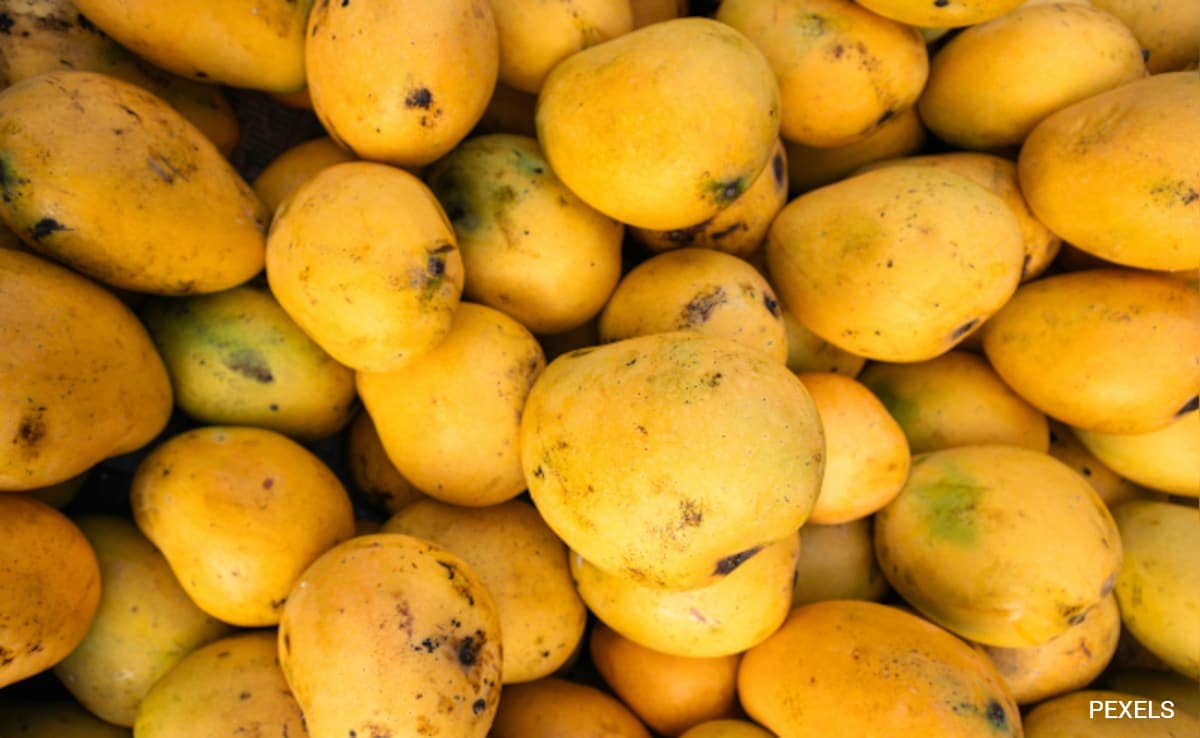
Indian mangoes have arrived in Seattle retail markets after a coordinated multi-agency bureaucratic push, securing a foothold in a premium regional market that has historically been closed to direct air-freight fruit shipments from Mumbai.
For the tech-heavy, high-income South Asian diaspora in the Pacific Northwest, the arrival of genuine, Geographical Indication tagged Alphonso and Kesar mangoes marks the end of a long logistics drought. For the import-export trade, however, the development exposes a high-stakes, low-margin supply chain where a single missing line of data can destroy half a million dollars of highly perishable cargo in an afternoon. Also making waves recently: The Geopolitical Economy of India Chile Trade Integration Quantifying the Comprehensive Economic Partnership Agreement and Critical Mineral Supply Chains.
The trade route is notoriously fragile. While mainstream media often frames the arrival of these luxury fruits as a simple triumph of bilateral diplomacy, seasoned agricultural trade analysts know that the underlying mechanics are governed by strict biosecurity protocols and unforgiving cold-chain math.
The Atomic Sanctions Protecting Local Orchards
The foundational barrier to entry for any raw Indian stone fruit entering the continental United States is not consumer demand or tariff rates. It is the mango seed weevil and the local fruit fly species. More insights into this topic are covered by The Economist.
To protect domestic agricultural hubs in California, Florida, and Washington from invasive pests, the United States Department of Agriculture Animal and Plant Health Inspection Service enforces an absolute mandate. Every single piece of fresh mango entering the country from India must undergo a phytosanitary cold process known as gamma irradiation.
The treatment occurs before the fruit ever leaves Indian soil. Under the dual-oversight pre-clearance program, shipments must be processed at specific government-monitored atomic energy facilities, such as the Maharashtra State Agricultural Marketing Board plant in Mumbai or the Krushak facility in Lasalgaon. The fruit is exposed to a precise minimum absorbed dose of 400 Gray of radiation.
Phytosanitary Reality Check
This process does not make the fruit radioactive, nor does it cook the flesh or alter the distinct aromatic profile of a Ratnagiri Alphonso. It simply sterilizes any latent quarantine pests, rendering them unable to reproduce.
If a single dosimeter reading fails to register properly on Federal PPQ Form 203 during the joint onsite inspection by American and Indian inspectors, the entire lot is compromised. The margin for administrative error is zero.
A stark reminder of this vulnerability occurred when twelve separate consignments destined for major American ports were flagged due to a data-recording discrepancy at a Mumbai treatment facility. Despite the fruit itself being perfectly healthy, the paperwork failure resulted in the immediate rejection and destruction of roughly 25 metric tons of premium mangoes at arrival hubs, wiping out half a million dollars in value before the protocol could be normalized.
Why Air Freight Dictates the Retail Price
Mainstream American supermarkets are dominated by Mexican Tommy Atkins or Brazilian Keitt mangoes, which travel via cost-effective sea routes and retail for a couple of dollars apiece. Indian varieties cannot play that game.
An Alphonso mango has a functional post-harvest shelf life of roughly 10 to 12 days once it reaches optimal ripeness. Because sea transit from India to the West Coast of North America takes several weeks, sea freight is effectively ruled out for premium early-season harvests. Air cargo is the only viable option.
+-------------------------------------------------------+
| TYPICAL AIR FREIGHT EXPENSES FROM MUMBAI TO SEATTLE  |
+-------------------------------------------------------+
| Base Air Freight Tariff                               |
| Fuel Surcharges                                       |
| Mandatory Gamma Irradiation Fees                      |
| Dual-Agency Pre-Clearance Inspection Assessments      |
| Section 122 Temporary Import Surcharges               |
+-------------------------------------------------------+
These layered operational costs mean that by the time a 3-kilogram master carton of certified Devgad or Ratnagiri Alphonso mangoes lands at Seattle-Tacoma International Airport, clears Customs and Border Protection, and arrives at a specialty grocery distributor, the per-unit cost has skyrocketed.
Retail prices in the Pacific Northwest frequently range from $45 to $70 per box. This represents a per-kilogram premium that is four to ten times higher than the price of Central American varieties. The business model does not target the casual grocery shopper; it relies on an affluent, brand-loyal demographic willing to pay luxury prices for authentic cultural nostalgia.
Squeezing the Importer Margins
Operating a luxury fruit corridor requires navigating an evolving matrix of international trade policy. Ever since the United States terminated India’s Generalized System of Preferences benefits, Indian fresh mangoes entering under the Harmonized Tariff Schedule have been subjected to standard Most-Favored-Nation duties.
The financial friction increased with the invocation of Section 122 of the Trade Act of 1974, which introduced temporary import surcharges that directly hit air-freight agricultural imports. Importers cannot simply absorb these shifting regulatory costs; they are forced to pass them down to specialty retailers, testing the absolute limit of what consumers are willing to spend on a highly seasonal luxury item.
To justify these steep retail figures, distributors are demanding stricter quality control and ironclad provenance verification from their suppliers. Sophisticated buyers now look past generic labeling, insisting on explicit Geographical Indication certification from the Konkan region of Maharashtra or the Talala Gir region of Gujarat.
A box labeled simply as an Indian mango no longer commands a premium in highly competitive specialty corridors. If the packaging lacks the required green Radura logo indicating proper phytosanitary treatment alongside verifiable orchard logs, high-end retail chains like Whole Foods or specialized regional distributors will reject the shipment out of hand to protect their own supply lines from federal seizure.
The expansion into Seattle proves that the demand for high-end agricultural imports is resilient enough to withstand massive logistical hurdles and shifting tariff structures. However, the survival of this premium trade route depends entirely on the flawless execution of back-end logistics. There is no room for sentimentality in a business where a broken cold chain or a typographical error on a phytosanitary certificate transforms an expensive delivery of the world's most sought-after fruit into an immediate write-off.