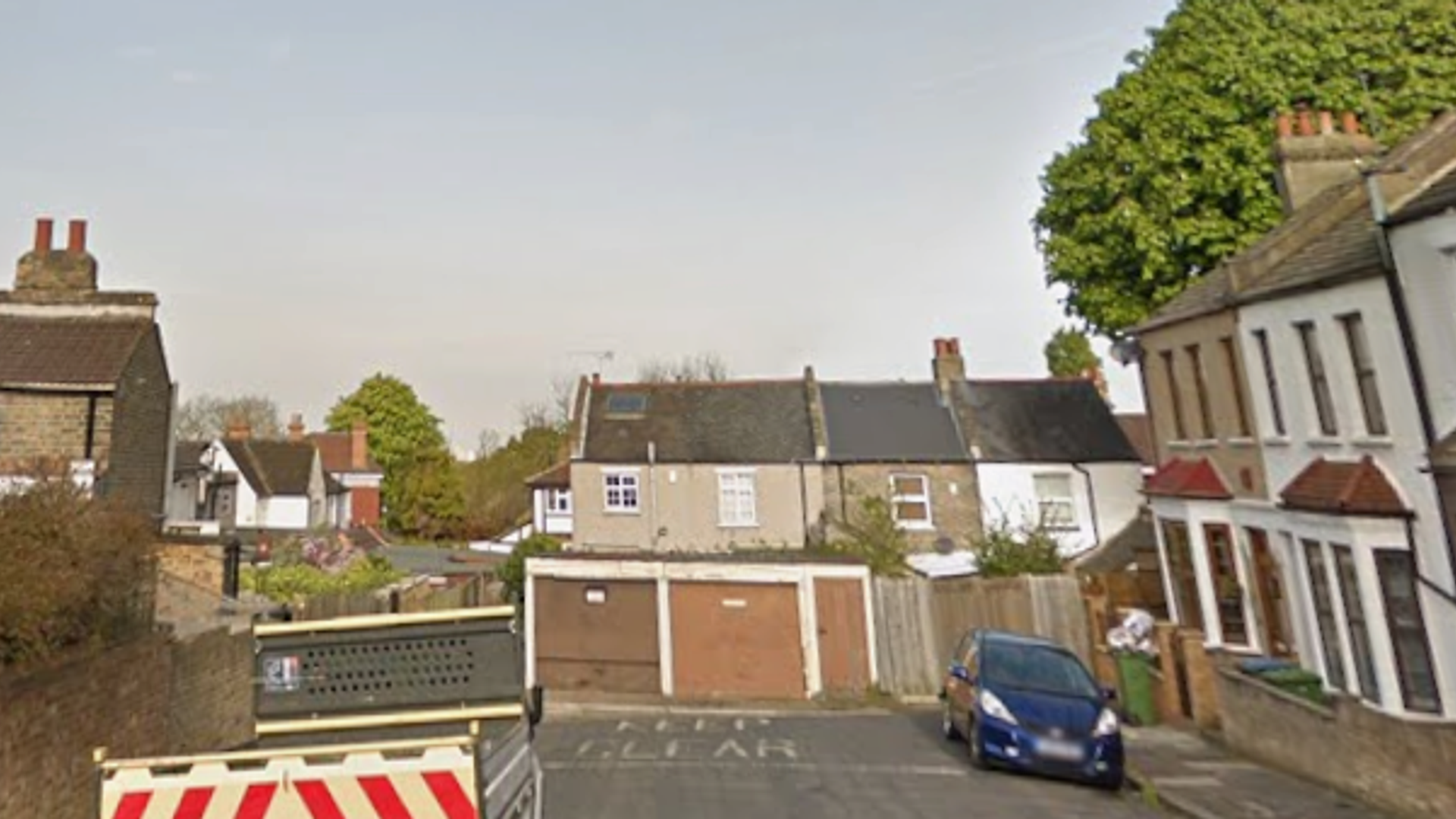
The fatal stabbing of a woman in her 80s is not merely a localized tragedy or a statistical anomaly in the daily crime blotter. It represents a catastrophic breakdown in the fundamental social contract that supposedly protects our most vulnerable citizens. When an octogenarian is murdered in cold blood, the investigation must look beyond the immediate crime scene tape to examine the systemic decay that allows such violence to reach the doorstep of the elderly. This is a story of isolation, the erosion of neighborhood vigilance, and a criminal justice framework that often fails to recognize the specific patterns of elder-targeted violence.
The Myth of Random Violence
Most people prefer to believe that attacks on the elderly are random acts of madness or "wrong place, wrong time" scenarios. The reality is far grimmer. Investigative data suggests that elder femicide—the killing of older women—frequently involves perpetrators known to the victim or individuals who have identified the victim’s physical vulnerability as a low-risk path to a high-impact crime.
When we analyze the "why" behind these killings, we often find a history of ignored red flags. These aren't just crimes of opportunity; they are the end results of predatory observation. An 80-year-old woman living alone is often viewed by the criminal element not as a human being with a lifetime of contributions, but as a soft target. The weaponization of a knife in these instances suggests a close-quarters, personal level of aggression that is deeply unsettling. It implies a lack of fear on the part of the attacker—a belief that their victim cannot scream loud enough or fight back hard enough to matter.
The Invisible Epidemic of Social Isolation
We have built a society that prizes independence to a fault, often resulting in the dangerous isolation of the aging population. This isolation serves as a silent accomplice to the murderer. In decades past, the "nosey neighbor" was a staple of the community. Today, that figure has been replaced by high fences and digital distractions.
When a neighbor doesn't know the name of the woman living three doors down, they won't notice when her curtains remain closed for two days or when a stranger is loitering near her back porch. This lack of communal oversight creates "blind spots" where violence thrives. The investigation into this stabbing must look at the timeline of the victim's final days. How many people saw something "off" but didn't want to get involved? How many delivery drivers or passersby noticed a suspicious vehicle but assumed someone else would handle it?
Law Enforcement and the Elder Protection Gap
Police departments are often reactionary. They respond to the body, the blood, and the blade. However, the proactive protection of seniors remains a low priority in many urban and suburban precincts. The resources allocated to "youth violence" or "gang task forces" are significant, yet the specialized units required to monitor and protect the elderly are frequently underfunded or nonexistent.
The investigative process in an elder stabbing must be rigorous. Because the victims are often perceived as "near the end of life," there can be an unconscious, systemic bias that devalues the urgency of the pursuit compared to a younger victim. This is unacceptable. A veteran investigator knows that a killer who targets the elderly is a unique breed of coward—one who will likely strike again because they have tasted the ease of overpowering a defenseless target.
The Psychology of the Blade
The choice of a knife as a murder weapon tells us a great deal about the perpetrator and the nature of the crime. Unlike a firearm, which provides distance, a knife requires physical proximity and significant effort. It is a visceral, messy, and intimate way to end a life. In the context of an 80-year-old victim, the use of a blade indicates a terrifying level of overkill.
There is a specific psychological profile associated with those who use knives on the elderly. It often points to a perpetrator who lacks the resources to acquire a gun but possesses a high degree of bottled-up rage or a calculated, cold-blooded approach to domestic robbery. If the motive was theft, the stabbing suggests a perpetrator who wanted no witnesses and had zero regard for the sanctity of life. If the motive was personal, it points to a deep-seated resentment that exploded into violence.
Financial Predation as a Precursor
Before the knife comes out, there is often a trail of financial abuse. Many cases of elder murder are the final chapter in a long book of exploitation. We must look at the victim's bank records and recent interactions. Was she being "helped" by a new friend? Was a distant relative suddenly appearing at the door?
The industry of elder care and the informal networks of neighborhood help are riddled with opportunities for the unscrupulous. When the money runs out, or when the victim finally realizes they are being fleeced and threatens to call the police, the situation turns lethal. The transition from white-collar elder abuse to violent crime is shorter than most people realize.
Rebuilding the Fortress of the Community
If we are to prevent the next headline about an 80-year-old woman lost to violence, the solution isn't just more police patrols. It is a fundamental shift in how we value and integrate the elderly into our daily lives.
- Vulnerability Mapping: Local governments need to identify where seniors are living alone and ensure those areas have increased lighting and physical security measures.
- Active Neighborhood Watch: These programs need to move beyond "reporting suspicious cars" to "checking on neighbors." A simple knock on the door can be a deterrent to a predator watching from the street.
- Direct Reporting Lines: Seniors need a way to report feeling "watched" or "uncomfortable" without feeling like they are wasting police time.
The death of this woman is a stain on the community. It is a reminder that while we talk about progress and technology, we are failing at the most basic level of human civilization: protecting those who cannot protect themselves.
The investigation will eventually find a name for the person who held the knife. They will be processed through the courts, and perhaps justice will be served in a legal sense. But the "why" remains an open wound. We allowed her to be in a position where a monster felt comfortable enough to walk through her door. We allowed her to be alone enough that her screams, if there were any, went unheard. We are all responsible for the silence that follows a crime like this.
Security is not a product you buy; it is a culture you maintain. When that culture fails, the most vulnerable pay the price in blood. The next time you see an elderly neighbor, don't just wave. Stop. Talk. Let anyone watching know that this person is not alone. That simple act is more powerful than any deadbolt or alarm system. It is the only way to ensure that the sunset of a person's life is not met with the cold steel of a predator's blade.