The gallows in Iran have not stopped swinging since the Twelve-Day War with Israel in June 2025. While the world watched the skies over Tehran for incoming missiles, a far more intimate and lethal conflict was being waged within the country’s own borders. Since the ceasefire, the Islamic Republic has executed at least 18 men on charges of spying for Mossad, a number that continues to climb as the judiciary accelerates its "cleansing" of suspected collaborators. This isn't just about counter-intelligence. It is a desperate, calculated effort to explain away the catastrophic security failures that allowed Israeli jets to cripple Iran’s nuclear infrastructure and kill its top scientists in broad daylight.
By framing the military humiliation of 2025 as the result of internal betrayal rather than technological inferiority, the regime is attempting to regain its footing. The men sent to the crane—ranging from telecommunications engineers to students—are the face of this narrative.
The Architecture of a Purge
The crackdown is fueled by a draconian new espionage law signed by President Masoud Pezeshkian in October 2025. This legislation effectively turned ordinary activities into capital offenses. Under the "Law on Intensifying Punishment for Espionage and Cooperation with the Zionist Regime," possessing a Starlink terminal or filming a damaged building can now be grounds for a death sentence.
The judicial process has become a conveyor belt. Trials are held behind the closed doors of Revolutionary Courts, where defendants are frequently denied the right to choose their own legal counsel. Convictions almost universally rely on "confessions" that human rights organizations, including Amnesty International and Iran Human Rights (IHRNGO), state are extracted through systematic torture.
The Names Behind the Numbers
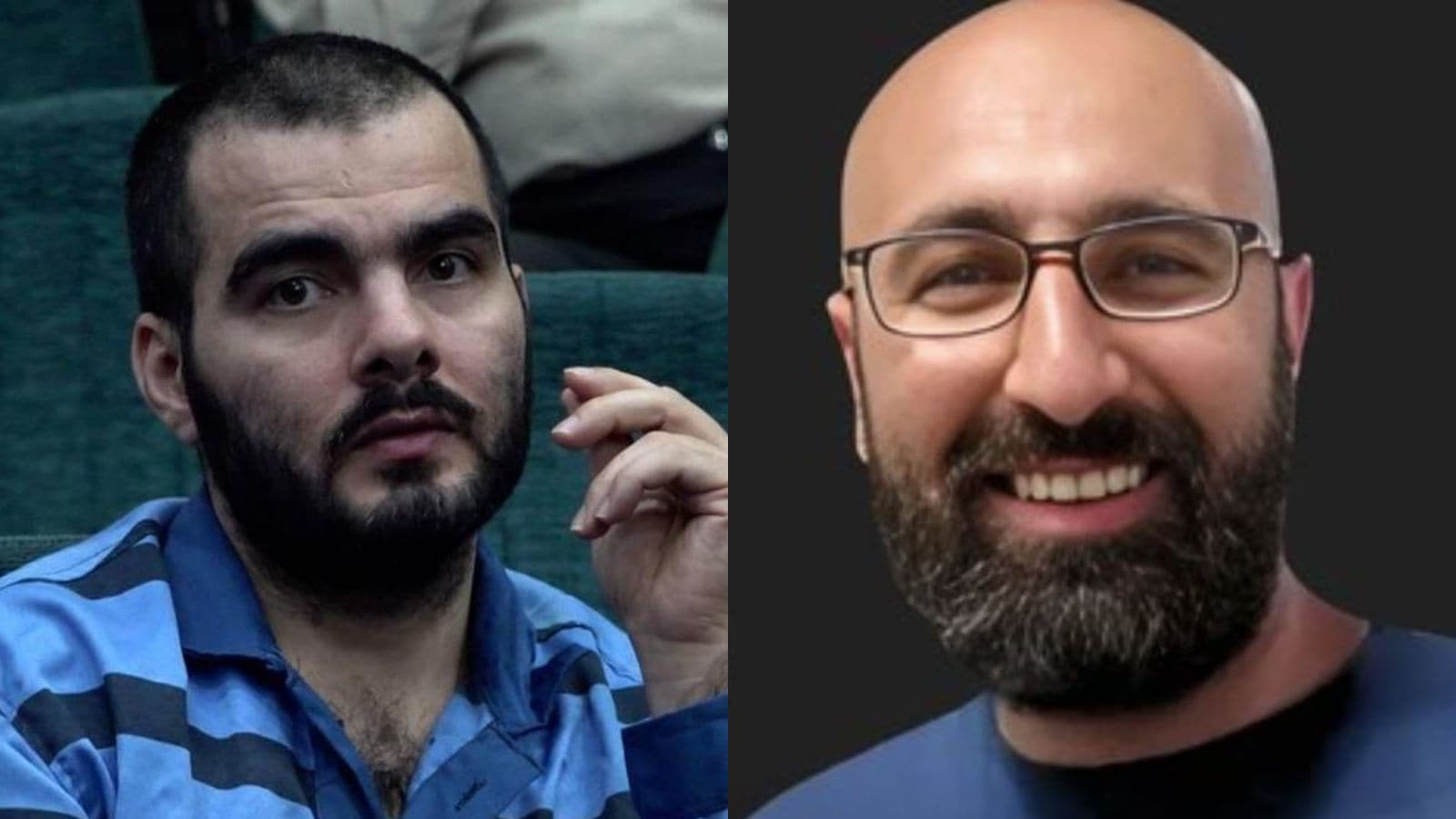
While the state media often keeps identities vague to maintain a climate of generalized fear, several high-profile executions have been publicized to serve as warnings. These men were not career intelligence officers; they were often individuals caught in the crosshairs of a paranoid state.
- Kourosh Keyvani (Executed March 18, 2026): A Swedish-Iranian dual national, Keyvani was arrested in Savojbolagh on the fourth day of the June war. Authorities claimed he was a "Mossad operative" trained in Europe to disrupt missile defense systems. His execution sparked a diplomatic firestorm with Stockholm, yet Tehran used his case to signal that no foreign passport offers protection.
- Hamidreza Sabet Esmailipour (Executed January 2026): Accused of moving vehicles loaded with explosives between provinces. The judiciary claimed he was a logistical linchpin for Israeli sabotage teams, though no independent evidence was ever presented to verify the presence of explosives.
- Ali Ardestani (Executed January 2026): A student accused of being recruited online by Mossad officers. His case was used to highlight the "danger" of digital interaction with the West, with state media claiming he was promised a British visa in exchange for security coordinates.
- Bahman Choobi-asl (Executed October 2025): Described by the Mizan news agency as "one of Israel’s most important spies." He worked on sensitive telecommunications projects, and his death was framed as a major victory against Israeli technical infiltration.
- Roozbeh Vadi (Executed October 2025): Accused of passing information regarding a nuclear scientist who was assassinated during the June strikes.
A State in Strategic Shock
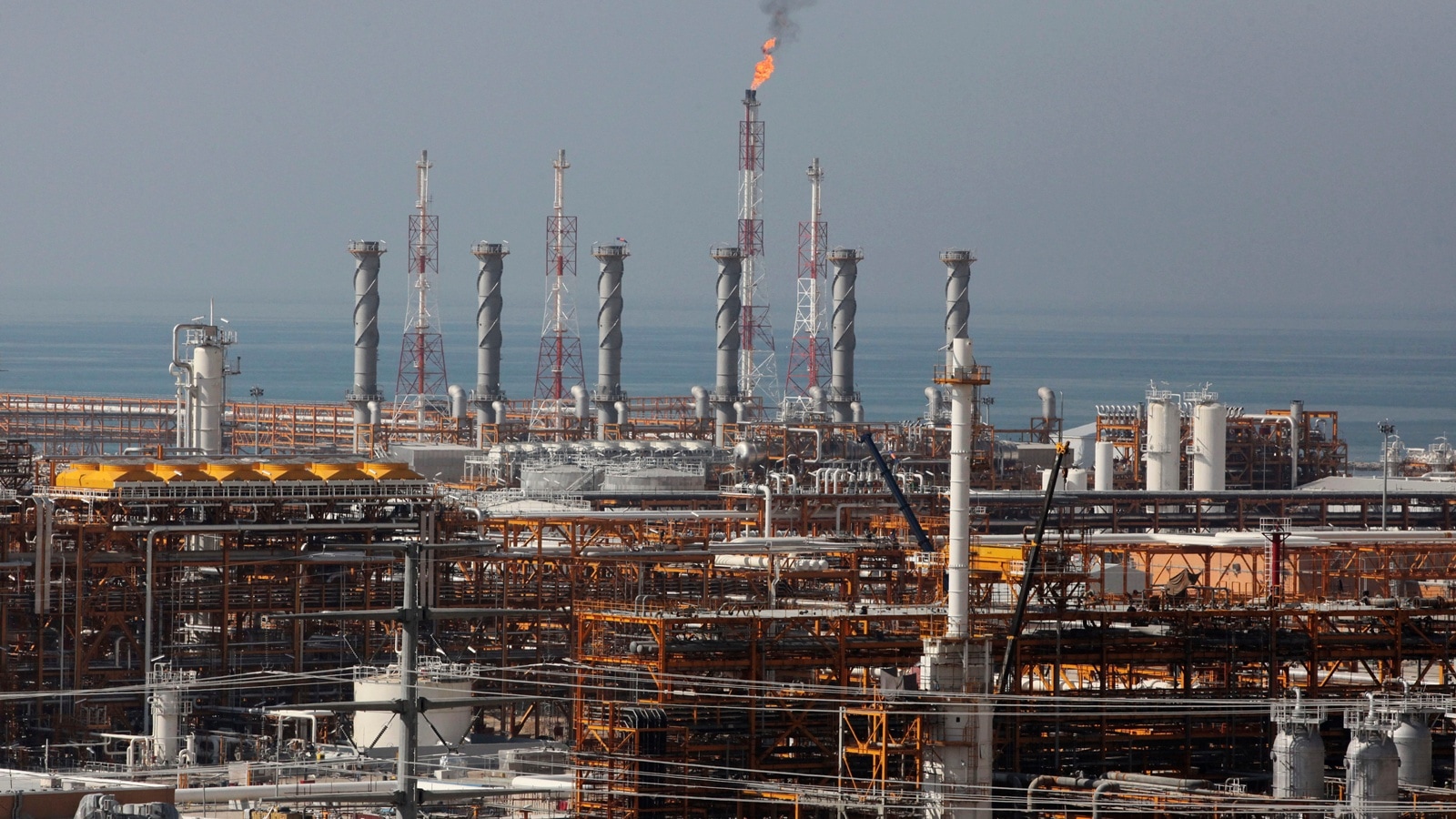
The intensity of these executions reveals a deeper rot within the Iranian security apparatus. The June 2025 war, dubbed "Operation Rising Lion" by Israel, was a trauma comparable only to the Iran-Iraq War of the 1980s. Israeli strikes hit the "impenetrable" Fordow and Natanz facilities, and perhaps most damagingly, killed more than a dozen leading nuclear managers and scientists, including Fereydoon Abbasi and Seyyed Amir Hossein Feghhi.
The Revolutionary Guards (IRGC) were left paralyzed. Their inability to detect or deflect the strikes exposed a massive gap between state propaganda and operational reality. To admit that Israel simply has better technology and better intelligence would be a fatal admission of weakness. Instead, the narrative of the "infiltrator" provides a convenient scapegoat. If the regime failed, it wasn't because it was weak; it was because it was "stabbed in the back."
The Shift to Digital Espionage
The nature of the accusations has evolved alongside the technology. Many of the men executed since June 2025 were charged with "digital cooperation." This includes:
- Coordinates and Imagery: Using smartphones to document the aftermath of Israeli strikes, which the state labels as "battlefield assessment for the enemy."
- Logistical Support: Moving funds through cryptocurrency or untraceable channels, which the new laws have specifically criminalized.
- Communication: Using encrypted apps to communicate with "hostile elements" abroad.
The state has even begun targeting citizens who provide "air umbrellas" for protesters. In March 2026, as the Chaharshanbe Suri (Fire Festival) celebrations turned into anti-government riots, reports emerged of Israeli drones providing active support to paralyze police patrols. The judiciary responded by vowing to execute anyone found to be coordinating with these foreign assets on the ground.
Accountability and the Elite
One glaring omission in this crackdown is the lack of accountability for high-ranking officials. While students and mid-level engineers are sent to the gallows, no senior IRGC commanders or Intelligence Ministry directors have been purged for the massive lapses that allowed the June 2025 strikes to succeed.
This selective justice serves a dual purpose. It protects the loyalists necessary for the regime's survival while projecting an image of "total omniscience" to the public. By claiming they have uncovered the exact recruitment methods of Mossad—down to knowing a target’s child’s school schedule—the intelligence services hope to convince the population that dissent is impossible because the "Eye of the System" sees everything.
The Toll of Paranoia
The human cost is staggering. In 2025 alone, Iran carried out over 1,900 executions, the highest number since the late 1980s. Nearly half of these were for drug offenses, but the "national security" category has seen the sharpest percentage increase. The fear is no longer just of the foreign enemy, but of the neighbor, the colleague, or the social media contact who might be a "node" in a foreign network.
As the shadow war with Israel moves into this more overt, violent phase, the internal purge is likely to accelerate. For the men on the list of "Mossad ties," the trial was never about finding the truth. It was about providing the regime with the blood it needs to mask its own vulnerability.
Ask yourself if you want me to investigate the specific financial networks the IRGC is currently seizing under these new espionage laws.