Liu Shaoyong didn't just run an airline; he was a titan in the Chinese aviation world. That's why the news of his formal indictment on bribery charges this Friday isn't just another headline. It’s a massive signal that the "golden age" of untouchable state-owned enterprise (SOE) chiefs is dead.
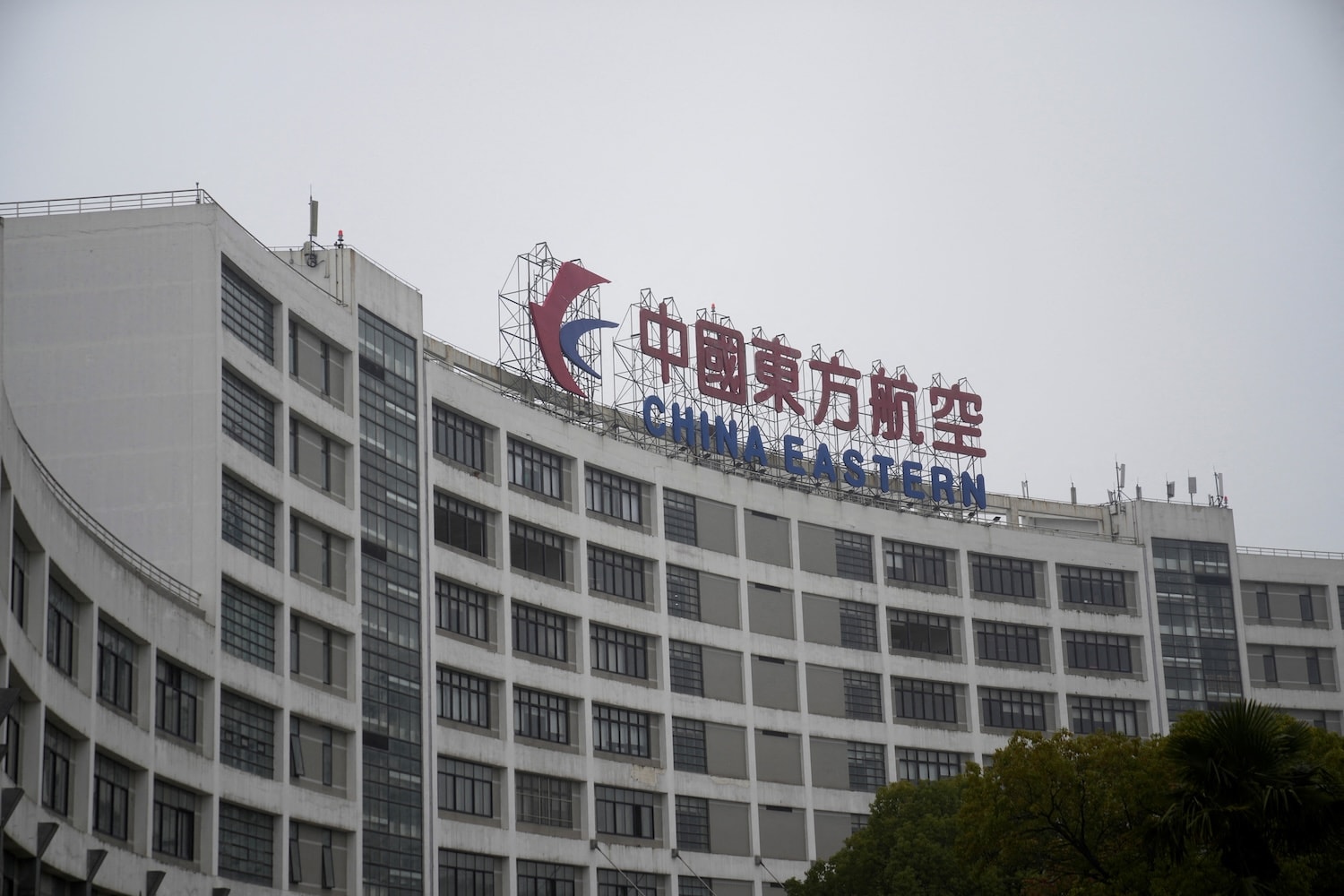
If you're wondering why this is a big deal right now, here’s the short version. China's top prosecutor just confirmed that Liu is being charged with abusing his power across multiple high-level posts to bag "exceedingly large" amounts of cash and valuables. We’re talking about a man who sat at the helm of China Eastern Airlines (CEA) from 2008 until 2022. He also spent years leading China Southern Airlines. When someone with that much influence falls, it doesn't just shake one company—it rattles the entire industry infrastructure. Meanwhile, you can find similar events here: Why Your Oil Price Panic is a Gift to Speculators and Geopolitical Hacks.
The fallout of the "Iron Man" of aviation
Liu was often credited with saving China Eastern. When he took over in the late 2000s, the carrier was bleeding money. He forced through a merger with Shanghai Airlines and got them into the SkyTeam alliance. He was the guy who made things happen. But according to the Supreme People’s Procuratorate, while he was building a global aviation powerhouse, he was also allegedly lining his pockets.
The timing of this indictment is what really grabs your attention. It follows his expulsion from the Communist Party in January 2026. In the Chinese legal system, once you’re expelled from the Party for "serious violations of discipline and law," a formal indictment is almost a guaranteed precursor to a conviction. The "safety net" for high-ranking officials is gone. To explore the full picture, we recommend the excellent report by The Economist.
What the charges actually mean
The indictment specifically calls out Liu for using his positions to "secure benefits for others." In the world of state-owned airlines, that usually points to a few specific areas:
- Aircraft procurement: We're talking multi-billion dollar deals with Boeing and Airbus.
- Route allocations: Deciding which flights get the most profitable slots.
- Supply chain contracts: From catering to fuel and ground handling.
When a CEO starts taking kickbacks in these areas, the costs eventually trickle down. You might not see it in your ticket price today, but it erodes the safety culture and operational efficiency of the entire fleet.
A broader crackdown on "Tigers and Flies"
Liu’s case isn't happening in a vacuum. It's part of a much wider, more aggressive sweep in 2026. Just this week, we’ve seen former defense ministers sentenced and high-ranking bankers expelled. Beijing is making a point: nobody is too big to fail.
The civil aviation sector has always been a bit of a "black box" because of its strategic importance and the sheer volume of money moving through it. By going after Liu, the authorities are essentially performing surgery on the leadership of the country's "Big Three" carriers. It's a warning to current executives that the era of "discretionary spending" is over.
The 2022 crash shadow
While the official indictment focuses on bribery, you can't talk about Liu's tenure without mentioning the 2022 crash of China Eastern Flight MU5375. That disaster killed 132 people and ended China’s decade-long safety streak. Investigations into that crash have been quiet, but the leadership shakeup that followed—including Liu's resignation shortly after—suggests that the pressure on the airline’s management had reached a breaking point.
When corruption seeps into the top levels of an airline, people start questioning everything from maintenance shortcuts to safety oversight. Honestly, it’s hard to trust a system when the person at the top is allegedly more focused on their bank account than the flight deck.
What this means for investors and partners
If you're doing business with Chinese state-owned enterprises, the "Liu Shaoyong moment" should change your strategy. The rules of the game shifted significantly between 2024 and 2026.
- Due Diligence is Mandatory: You can't rely on "who you know" anymore. In fact, knowing the wrong person is now a liability.
- Transparency over Guanxi: The old-school method of building relationships through "favors" is exactly what the prosecutors are looking for.
- Internal Audits: If your company has historical ties to China Eastern or China Southern during Liu’s era, it’s time to scrub those contracts.
The indictment of a man who once practically owned the skies over Shanghai proves that the "Tiger" hunt is far from over. It's a messy, public end to a career that was once seen as the gold standard for Chinese corporate leadership.
For the rest of us, it’s a reminder that in the current climate, even the highest flyers can be brought back to earth very quickly. If you're managing any kind of cross-border operations, start by reviewing your compliance frameworks—don't wait for a knock on the door.