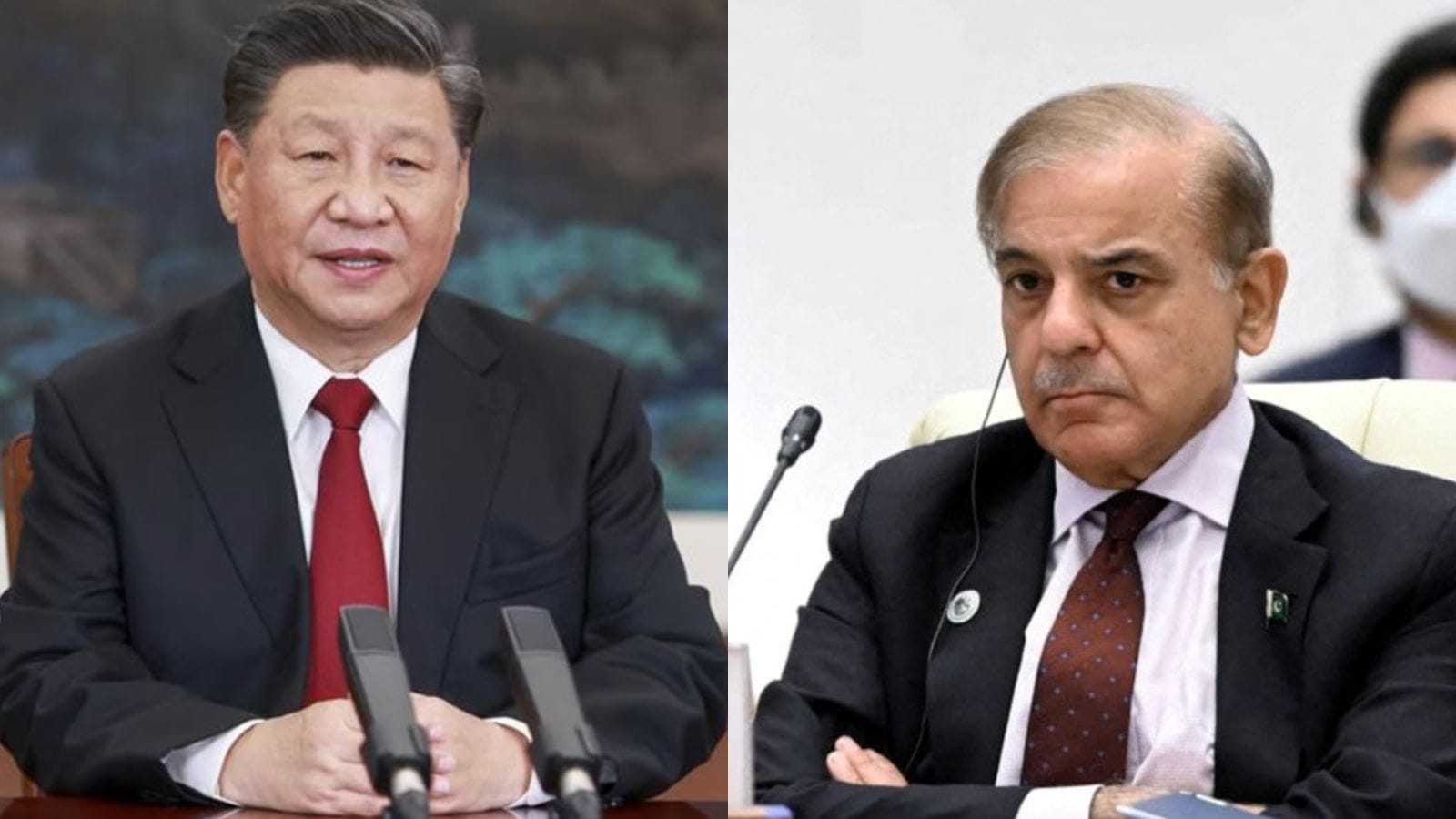
The Middle East is a powder keg that’s been burning with a short fuse for far too long. While Western powers often seem stuck in a cycle of arms shipments and vetoes, a different diplomatic engine is starting to hum. On March 31, 2026, in Beijing, Chinese Foreign Minister Wang Yi and Pakistani Foreign Minister Ishaq Dar sat down to do something bold. They didn't just express "deep concern." They laid out a specific, five-point roadmap to kill the fire before it consumes the entire region.
You might be skeptical. We've seen peace plans come and go. But this one is different because of who's behind it. Pakistan is the bridge between the U.S. and Iran, and China is the only superpower with enough economic skin in the game to make everyone listen.
The Five Points Shattering the Status Quo
This isn't a vague wish list. It's a calculated move to stabilize global energy and stop the human suffering that’s reached a breaking point. Here’s the breakdown of what Beijing and Islamabad are actually demanding.
- Immediate Cessation of Hostilities
This is the "stop the bleeding" phase. They aren't asking for a "pause" or a "reduction in violence." They're calling for an absolute halt to military actions. The goal is to prevent the conflict—which has recently seen direct clashes involving the U.S., Israel, and Iran—from spilling into a full-scale regional war. - Launching Diplomacy Without the Threats
China and Pakistan are pushing for peace talks to start right now. The kicker? They insist that all parties must "refrain from the use or threat of force" while the talking happens. It’s a direct challenge to the "maximum pressure" tactics we’ve seen fail for years. They’re emphasizing the sovereignty and territorial integrity of Iran and the Gulf states, signaling that a stable Middle East requires respecting borders, not redrawing them. - Hands Off Infrastructure and Civilians
This point is personal for the millions living in the crosshairs. The plan demands an immediate end to strikes on "critical infrastructure." We’re talking about energy facilities, desalination plants, and power systems. When you bomb a power plant, you aren't just hitting a military target; you’re killing the ability of a city to provide water and surgery. They even explicitly mentioned peaceful nuclear installations. - Securing the Strait of Hormuz
If you care about the price of gas or the stability of the global economy, this is the big one. The Strait of Hormuz is the world's most important oil chokepoint. The proposal calls for the "normal passage" of commercial ships to be restored. This is a subtle but firm rejection of the "transit fees" and blockades that have recently plagued the waterway. - Backing the UN Charter
In an era where international law feels like a suggestion, this point reaffirms the "primacy of the UN." It’s a call for a comprehensive peace framework that doesn't just favor one side but follows a set of rules everyone agreed to decades ago.
Why Pakistan and China are the Real Power Brokers
Most people overlook Pakistan’s role in this. Since early 2025, Islamabad has been playing a high-stakes game of "shuttle diplomacy." They have lines open to Tehran that Washington can't dream of, while still maintaining a strategic relationship with the U.S. and Saudi Arabia.
China, meanwhile, provides the muscle. As the largest buyer of Iranian oil, Beijing has more leverage over Tehran than any Western sanctions package. But they also have massive investments in Saudi Arabia and the UAE. China doesn't want a war because war is bad for business. It’s that simple. By teaming up, Pakistan provides the diplomatic nuance, and China provides the economic gravity.
The Elephant in the Room: The U.S. and Iran Conflict
We have to be honest. The "war on Iran" that began in February 2026 has changed everything. The old rules are gone. This peace plan is a direct response to the U.S.-Israeli campaign that has targeted Iranian manufacturing and energy hubs.
Critics argue that China and Pakistan are just shielding Iran. While it's true they have close ties, the plan’s focus on "normal passage" in the Strait of Hormuz actually pushes back against some of Iran’s recent aggressive maritime tactics. It’s a balanced approach designed to keep the world’s energy flowing while giving the U.S. and Israel a face-saving exit from an escalating quagmire.
What This Means for You
This isn't just a headline in a foreign newspaper. If this plan gains traction, we could see a cooling of global oil prices that have been haywire since the conflict escalated. More importantly, it represents a shift in how global crises are managed. We're seeing a "Gaza-style" humanitarian focus combined with hard-nosed maritime security.
If you're watching the news, look for these signs:
- Movement in the UN Security Council: See if the U.S. or UK engages with these five points or dismisses them outright.
- Shipping Rates: Watch the costs for tankers moving through the Gulf. If they drop, the "Hormuz" point of this plan is working.
- De-escalation Rhetoric: Listen for whether Tehran or Tel Aviv starts using the language of "sovereignty" and "diplomacy" found in this joint statement.
The China-Pakistan proposal isn't just a piece of paper. It’s a blueprint for a multipolar world where the "Global South" is no longer content to sit on the sidelines while the Middle East burns. It’s time to take this roadmap seriously.