China just launched a massive, nationwide sweep of its museums, and it isn't a routine spring cleaning. Beijing is hunting for fakes, missing relics, and deep-seated corruption after a scandal in Nanjing exposed how easily a $12 million Ming Dynasty masterpiece can "vanish" under the noses of officials. If you think this is just a local administrative hiccup, you're wrong. This is a seismic shift in how the world's fastest-growing art market handles its history.
The National Cultural Heritage Administration (NCHA) ordered this audit because the system broke. A piece of history worth millions was swapped or stolen, and the fallout is hitting every gallery from Shanghai to the smallest rural outpost. It reveals a terrifying truth about the global art trade: even the most secure vaults are only as honest as the people holding the keys.
The Nanjing Scandal That Broke the Dam
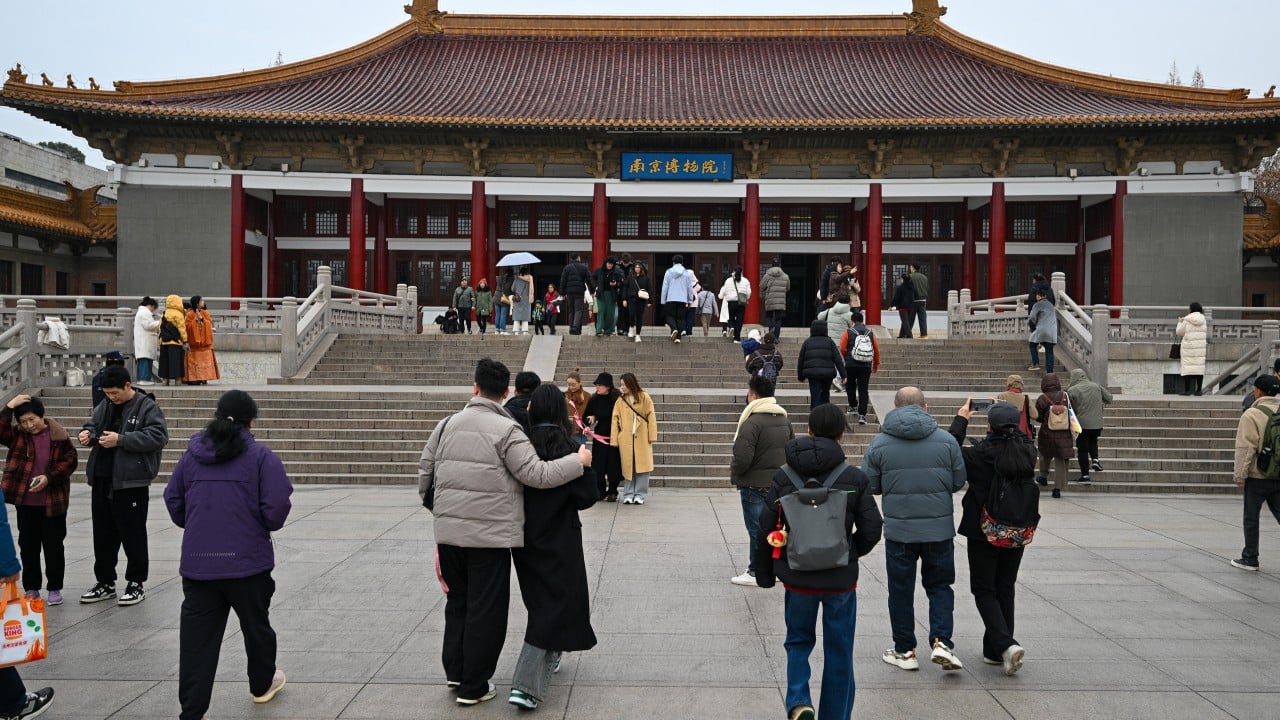
To understand why the government is suddenly knocking on every museum door, we have to look at what happened in Nanjing. We're talking about a Ming Dynasty painting—specifically a work by the legendary artist Qiu Ying. This isn't just a piece of paper. It's a cultural titan valued at roughly 80 million yuan, or $12 million.
When it went missing, or rather, when the discrepancy was discovered, it sent shockwaves through the Communist Party leadership. It wasn't just about the money. It was about the embarrassment. China spends billions promoting its "cultural confidence," yet it couldn't keep track of a primary treasure in one of its most prestigious regional hubs.
The Nanjing incident wasn't an isolated "oops" moment. It pointed to a systemic failure where high-level pieces were potentially swapped for high-quality forgeries. This "bait and switch" is an old trick in the art world, but seeing it happen at this scale in a state-run institution is a different beast entirely. It suggests that the internal checks were either nonexistent or, worse, being bypassed by those in charge.
Beijing Is Not Playing Around This Time
The NCHA's directive is aggressive. They aren't just asking for a list of items; they're demanding a physical verification of every "Grade One" cultural relic in the country. Grade One items are the crown jewels—pieces so rare they are legally prohibited from being sold or, in many cases, even leaving the country for exhibitions.
Officials are looking for three specific things:
- Discrepancies in Digital Records: Does what's on the screen match what's in the crate?
- Unauthorized "Loans": Many pieces "go missing" because they've been unofficially lent to private collectors or used as collateral for shady business deals.
- Forgeries: The audit includes bringing in independent experts to verify that the painting on the wall isn't a clever copy made three years ago.
This is a logistical nightmare. China has thousands of museums. Some are world-class facilities in Beijing, but others are small, underfunded provincial sites with paper-thin security and even thinner digital footprints. The audit is designed to force these smaller players to get their acts together or face severe penalties.
Why Fakes Are the Biggest Threat to the Market
The elephant in the room is the quality of modern Chinese forgeries. We're past the point where a fake looks like a cheap knockoff. Professional forgers use period-accurate paper, ancient ink sticks, and techniques that can fool even seasoned curators.
In many cases, the only way to know a piece is fake is through provenance—a documented history of who owned it and when. When a museum's internal records are compromised, that provenance is erased. If a curator is in on the scam, they can "verify" a fake, sell the original to a private buyer in Hong Kong or New York, and leave the forgery in the vault for decades.
This audit is basically a giant reset button. Beijing is trying to draw a line in the sand. By conducting a nationwide inventory, they're creating a "Year Zero" for relic tracking. If something goes missing after 2026, there's no more blaming "legacy issues" or "poor historical record-keeping."
What This Means for Private Collectors
If you're a collector of Chinese art, this audit matters to you. The sudden influx of "discovered" pieces or the potential exposure of high-end fakes will fluctuate market prices. If the audit reveals that hundreds of Ming and Qing relics are missing, those pieces are now "hot." They can't be sold at Christie's or Sotheby's without triggering an international police response.
It also means the "gray market" is about to get very dangerous. People holding pieces with questionable origins will try to offload them before the audit catchments widen. My advice? Don't touch anything without an ironclad, third-party verified history. If the price for a Ming scroll seems too good to be true, it's probably because the NCHA is currently looking for it.
The Problem With Museum Management in China
The real issue isn't just thieves in the night. It's the "muddiness" of museum management. For years, many Chinese museums operated like fiefdoms. Local directors had immense power and very little oversight.
Corruption in the art world usually doesn't look like a heist. It looks like a slow erosion of standards. It's "forgetting" to log a piece back in after a private viewing. It's "misplacing" a file during a renovation. The Nanjing scandal was the breaking point because it showed that even the highest-value items weren't safe from this bureaucratic rot.
Steps for Navigating the Changing Landscape
You need to pay attention to how this audit concludes. It's going to change the laws surrounding cultural heritage. We'll likely see new, mandatory digital tracking systems—think blockchain for art—implemented across the country.
- Watch the auction blocks: If a sudden surge of high-quality Ming pieces hits the secondary markets in Southeast Asia, be skeptical.
- Verify the "Official" Seal: The NCHA will likely issue new certifications for verified museum pieces. Learn what these look like.
- Pressure for Transparency: If you're donating to or working with Chinese institutions, demand to see their latest audit compliance report.
This isn't just about one painting in Nanjing. It's about whether China can protect its soul while it's busy becoming a global superpower. The audit is a massive undertaking, but it's the only way to stop the bleeding. If they don't fix the system now, the world's museums will eventually be nothing but a collection of very expensive, very beautiful lies.
Keep your eyes on the official NCHA announcements over the next six months. The list of "lost" items they'll eventually have to publish will be a roadmap for the next decade of art world litigation. Don't get caught on the wrong side of it.