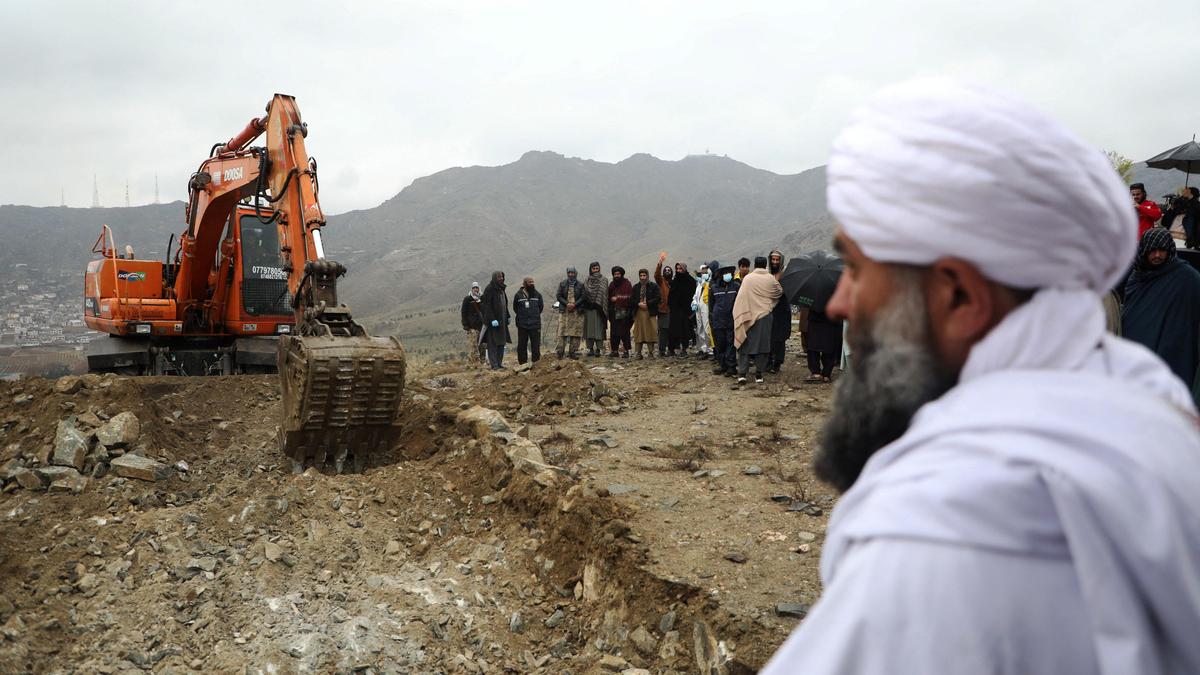
The border between Pakistan and Afghanistan is currently a powderkeg, and Beijing is the only one holding a fire extinguisher. After a month of brutal skirmishes, airstrikes, and a death toll that’s frankly hard to look at, representatives from Islamabad and the Afghan Taliban have finally sat down in Urumqi. This isn't just another diplomatic photo op. It’s a desperate attempt to stop a full-scale regional war that neither side can afford, but both seem unable to quit.
If you’ve been following the news, you know the cycle. Pakistan accuses Kabul of harboring the Tehreek-e-Taliban Pakistan (TTP). Kabul denies it, then points to Pakistani airstrikes hitting civilian infrastructure. In March alone, a strike on a drug rehab center in Kabul reportedly killed over 400 people. It’s messy, it’s violent, and it’s exactly why China has stepped in. Beijing isn't doing this out of the goodness of its heart; it’s doing it because its multi-billion dollar investments are literally in the line of fire.
The Urumqi Talks and the Reality of China as a Broker
For years, the U.S. was the primary "referee" in this region. Now, that role belongs to China. The current talks in Urumqi, located in China’s Xinjiang province, represent a shift in how power is brokered in Central Asia. China has a massive stake in this through the China-Pakistan Economic Corridor (CPEC). If Pakistan becomes a permanent war zone, those pipelines and roads become useless.
Unlike Western mediators who often lead with lectures on human rights, China leads with the checkbook and security guarantees. They’ve invited the Taliban because they know the "de facto" government in Kabul is the only entity that can potentially reign in the TTP. But don't mistake this for a friendship. It's a cold, hard business transaction. Beijing wants a "durable ceasefire" because instability is bad for the bottom line.
Why Pakistan is Screaming for a Ceasefire
Pakistan is in a tough spot. Its economy is on life support, and it’s fighting an "open war" on its western border. In February 2026, the Pakistani government officially used that term, "open war," to describe the situation. Since the Taliban took over Kabul in 2021, terror attacks inside Pakistan have spiked.
- The TTP Factor: The Pakistani Taliban (TTP) is the primary antagonist here. They use Afghan soil to launch attacks, then retreat across the Durand Line.
- Economic Exhaustion: You can’t fight a war when you’re constantly begging the IMF for a bailout.
- The Refugee Crisis: Over 115,000 people have been displaced by the recent fighting. That’s a humanitarian disaster that Pakistan’s already strained infrastructure can’t handle.
Islamabad’s goal in China is simple: get the Afghan Taliban to stop the TTP. If they can’t or won’t do that, Pakistan wants China to use its influence to force their hand. Honestly, it’s a long shot, but it’s the only shot they have left.
The Taliban’s Counter-Narrative
Kabul isn't just sitting there taking hits. They’re furious about Pakistani airstrikes that they claim target schools, markets, and hospitals. From their perspective, Pakistan is violating Afghan sovereignty. They deny supporting the TTP, though nobody in the international intelligence community really believes them.
The Taliban's presence in Urumqi shows they’re feeling the pressure. They need international recognition and, more importantly, they need the Chinese investment that keeps their lights on. If they lose China’s favor, they lose their only powerful "friend" on the global stage.
What a Durable Ceasefire Actually Looks Like
We’ve seen temporary truces before. One mediated by Qatar in October 2025 lasted about as long as a summer breeze. For this new round of talks to matter, it needs to go beyond a "stop shooting" agreement. It has to address the root causes:
- Border Management: A formalized way to monitor the Durand Line that both sides actually respect.
- TTP Relocation: Rumors suggest China might push for the TTP to be moved further away from the border, deep into Afghan territory.
- Economic Carrots: China is likely offering "reconstruction aid" to Kabul if they play ball and "security infrastructure" to Islamabad.
Let’s be real: the chance of a "permanent peace" is slim. These two countries have been at odds for decades. But a "durable ceasefire" that lasts more than a few months would be a massive win for the region. It would allow trade to resume, schools to reopen, and for the thousands of displaced families to return home.
The Stakes for the Rest of the World
If these talks fail, we’re looking at a vacuum that groups like ISIS-K and al-Qaeda are already starting to fill. The UN has already warned that these groups are regrouping while Pakistan and the Taliban are busy fighting each other.
China’s role here is a test. Can they actually manage a complex geopolitical conflict, or are they just good at building roads? The world is watching. If Beijing can pull this off, they’ll prove that the new "Silk Road" is more than just an economic project—it’s a diplomatic one too.
If you’re watching the news for updates, don't look for a formal treaty signing. Look for the opening of the border crossings. When the trucks start moving again at Torkham and Chaman, that’s when you’ll know if the Urumqi talks actually did anything. For now, keep an eye on the casualty reports from the border provinces. If those numbers drop, there’s hope. If not, Urumqi was just another expensive dinner in a long line of failed attempts at peace.
Keep your expectations low, but your eyes on the border trade data. That’s the only real metric for success in this part of the world.