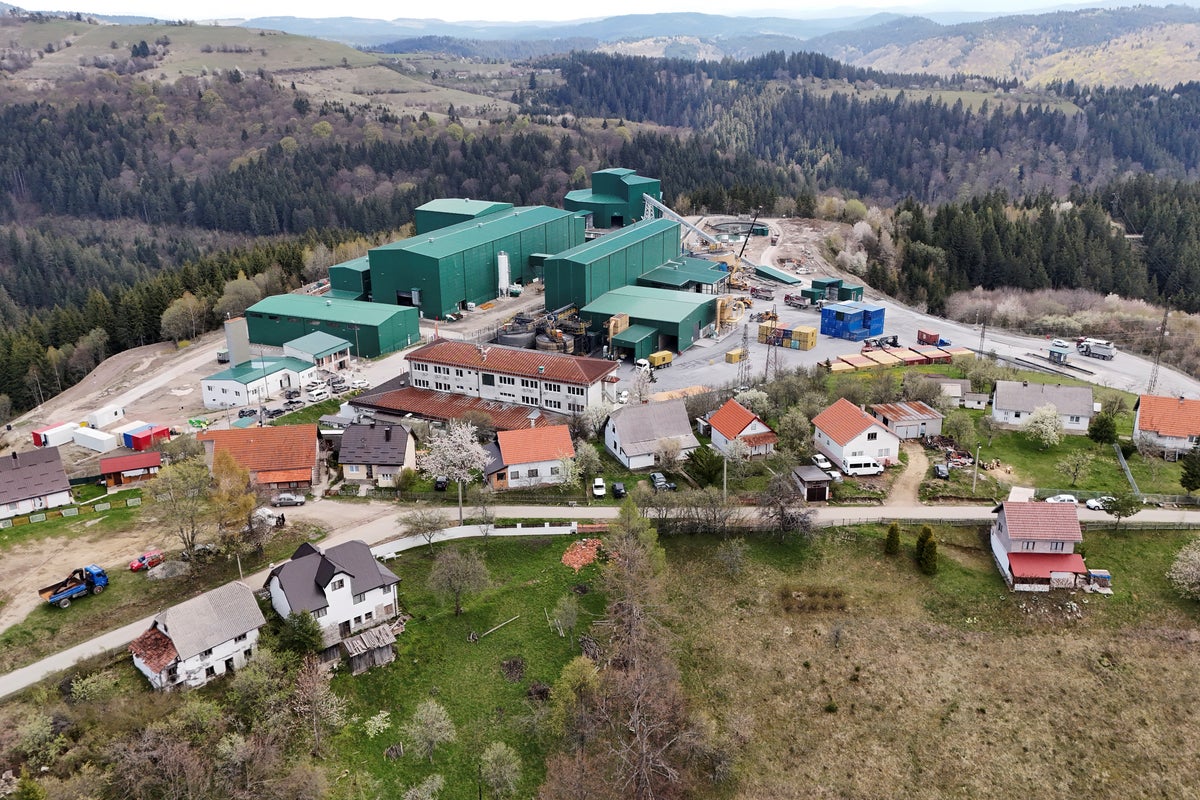
Mining companies love to promise the world to small towns. They bring glossy brochures, promises of generational wealth, and the one thing struggling rural communities need most: steady jobs. But when a new silver mine opened its doors in a quiet European valley, the economic miracle turned into a public health disaster. Residents soon discovered that the heavy metals lifting them out of poverty were also poisoning their children.
This isn't an isolated incident or a story from the industrial revolution. It's happening right now. When you dig for silver, you rarely find it alone. Lead is almost always part of the package.
Public health officials recently shocked the community by revealing that hundreds of local residents tested positive for dangerous levels of lead in their blood. The numbers are staggering, especially among children, who absorb the toxin much faster than adults. The local economy is booming, but the human cost is becoming impossible to ignore.
Why Silver Mining and Lead Contamination Go Hand in Hand
Most people don't realize that silver mining is rarely just about silver. In nature, silver frequently binds with lead and zinc in complex ore bodies. When a mining company extracts silver, they must crush, grind, and chemically process massive amounts of rock to separate the precious metal from its toxic neighbors.
The process creates mine tailings. These are fine, powdery waste materials left behind after the valuable minerals are extracted. If these tailings aren't managed with absolute perfection, the wind carries the dust across the valley. Rain washes the heavy metals into the local water table.
That is exactly how a silver mine contaminates a small European town. The heavy machinery stirs up dust, the processing plants release airborne particulates, and trucks track the contaminated soil through residential streets. You can't see it. You can't smell it. But it builds up in the soil, the gardens, and eventually, the human body.
The World Health Organization (WHO) states clearly that there is no safe level of lead exposure. It is a potent neurotoxin. In adults, it causes high blood pressure, kidney damage, and cognitive decline. In children, the effects are devastating and permanent. It directly attacks the developing brain, lowering IQ, shortening attention spans, and causing severe behavioral problems.
The Toxic Tradeoff of Rural Economic Development
Imagine living in a town where the youth have been fleeing to big cities for decades. The shops are boarded up. Property values are tanking. Then, a multinational mining firm swoops in with a multi-million dollar investment proposal. They promise hundreds of high-paying jobs, upgraded infrastructure, and massive tax revenues for the local government.
It's an offer almost no small-town mayor can refuse.
For the first couple of years, the playbook works perfectly. The local diner is full of workers in high-visibility jackets. New trucks sit in driveways. The town feels alive again. The economic boost is real, visible, and deeply intoxicating.
But environmental regulation in these scenarios often lags behind commercial enthusiasm. Local authorities, desperate to keep the mining company happy, sometimes overlook minor infractions. Environmental impact assessments get fast-tracked. Monitoring stations are poorly placed or infrequently checked.
The illusion breaks when the routine medical checks start coming back. A few kids show signs of lethargy and learning difficulties. A local doctor notices a pattern and orders blood tests. Suddenly, the town realizes that the high wages came with a hidden, toxic tax.
Deficiencies in Modern Environmental Monitoring
The biggest mistake people make is trusting that modern regulations automatically protect them. They don't. Regulatory frameworks are only as good as their enforcement, and enforcement takes resources that small European municipalities simply don't have.
Mining companies often rely on self-reporting. They hire their own environmental consultants to measure air quality and soil toxicity. It's a classic case of the fox guarding the henhouse. Even when independent government agencies step in, they often measure average exposure over long periods, missing the acute spikes in dust emissions that happen during dry, windy weeks.
Furthermore, standard environmental monitoring looks at the perimeter of the mine site, not inside people's homes. Lead dust enters houses on shoes, clothing, and through open windows. It settles into carpets where toddlers crawl. A mine can technically comply with its environmental permits while still actively poisoning the surrounding neighborhood.
We see this pattern repeat globally. From historic mining disasters in Australia to modern operations in South America, the story remains unchanged. The economic benefits are concentrated and immediate, while the environmental and health liabilities are distributed among the public and last for generations.
How Communities Can Fight Back and Protect Themselves
If you live near a mining operation or suspect heavy metal contamination in your area, waiting for the government to act is a losing strategy. Bureaucracy moves slowly. Your health can't wait. You need to take immediate, practical steps to protect your family and hold the operators accountable.
First, demand comprehensive, independent blood testing for everyone in your household, focusing on children under six and pregnant women. Do not accept testing funded or organized by the mining company. Work through independent university clinics or national health advocacy groups to ensure the data is untainted by commercial interests.
Second, modify your daily routines to minimize dust ingestion.
- Remove shoes at the door to prevent tracking contaminated soil into the living space.
- Wet-mop floors and wipe down surfaces with damp cloths instead of sweeping or dusting, which just kicks the toxins back into the air.
- Wash children's hands and toys frequently, especially after they play outside.
- If you grow your own vegetables, use raised beds with certified clean soil and thoroughly wash all produce before eating.
Third, build a community coalition to force transparent data sharing. Demand that the mining company install real-time, publicly accessible air monitoring stations around the town's perimeter. If the company claims their operations are clean, they should have no objection to showing the real-time data to the people living next door. Use that data to lobby national and European regulatory bodies to intervene, bypass local officials who might be compromised by the economic benefits, and enforce strict dust-suppression mandates on the mining site. This is a fight for the long haul, and documented data is your only effective weapon.