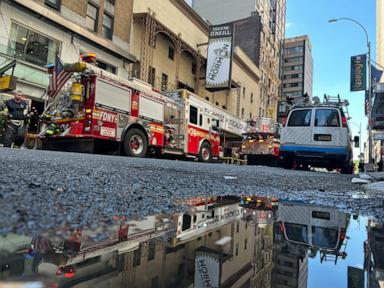
The lights went out on Elder Cunningham and Elder Price long before the curtain was scheduled to rise. While the official line from the Prince of Wales Theatre management cites a "technical issue" involving an electrical fire, the fallout is anything but a simple fix. The West End hit The Book of Mormon has been forced into a dark period that stretches through May 17, leaving thousands of ticket holders in the lurch and exposing the fragile infrastructure of London’s aging theater district.
This isn't just about a blown fuse or a smoky basement. It is a logistical and financial nightmare for Delfont Mackintosh Theatres. When a production this size—a juggernaut that has anchored Coventry Street since 2013—goes dark for nearly two weeks, the ripple effects hit everyone from the box office staff to the nearby pubs that rely on the pre-show rush.
Behind the Smoke at Coventry Street
On the surface, the story is straightforward. An electrical incident occurred, the building was evacuated, and the London Fire Brigade did their job. But for an industry veteran, the extended closure period is a massive red flag. Most modern theaters have redundant systems. If a minor electrical fault occurs, you lose a night, you rewire, and you reopen. A closure lasting through May 17 suggests that the fire damaged the primary distribution boards or, worse, the specialized control systems that manage the show's complex lighting and sound cues.
The Book of Mormon is a high-energy, technically demanding production. It requires a massive amount of power to run its automated scenery and high-intensity lighting rig. If the fire occurred at the point of entry for the building's main power supply, the repairs aren't just about replacing wires. They involve rigorous safety testing, sign-offs from building inspectors, and ensuring that the delicate electronics of the show’s soundboard haven't been fried by a power surge.
The Brutal Math of a Dark House
The Prince of Wales Theatre holds approximately 1,160 seats. At West End prices, which frequently top £150 for premium stalls, the gross revenue per performance is staggering. Take that number, multiply it by eight shows a week, and then extend that across the thirteen days of this scheduled closure. We are looking at millions of pounds in lost ticket sales alone.
Then there is the "ghost" cost.
- The Cast and Crew: While some contracts have "force majeure" clauses, many performers and technical staff are paid per performance. A two-week hiatus can be a devastating blow to the take-home pay of the people who actually make the magic happen.
- Merchandise and Concessions: High-margin items like programs, t-shirts, and £12 gin and tonics represent a huge slice of the theater’s profit. That revenue has evaporated.
- Refund Logistics: Processing tens of thousands of refunds or re-bookings is a labor-intensive process that strains box office staff and costs the company in transaction fees.
Delfont Mackintosh is one of the most powerful players in the West End, but even a giant feels the sting of a dead marquee. The "technical issue" label is a convenient shield, but it masks a deeper reality about the state of London's theatrical real estate.
The Infrastructure Crisis Nobody Wants to Talk About
The Prince of Wales Theatre was rebuilt in 1937. While it has seen renovations, most recently in 2004, the bones of the building are old. This is a common theme across the West End. We are forcing 21st-century spectacles—heavy on LEDs, hydraulics, and digital projection—into 19th and 20th-century shells.
When you push an old electrical grid to its absolute limit for a decade straight, things eventually break. The Book of Mormon has been running almost continuously at this venue for eleven years. That is thousands of hours of high-wattage demand on a system that might not have been designed for the sheer scale of a modern Broadway-style production. The industry likes to focus on the glamour of the stage, but the basement is where the real drama happens. This fire is a warning shot for every venue owner in the West End who hasn't audited their back-of-house infrastructure in the last five years.
The Problem with the "Quick Fix" Mentality
In the high-stakes world of commercial theater, every hour a stage is dark is money down the drain. There is an immense pressure to "patch and play." However, the length of this specific closure suggests that the Prince of Wales is moving beyond a patch. If they were to reopen prematurely and suffer another failure—or worse, a fire while the house was full—the liability would be terminal.
By staying closed until May 17, the management is signaling that they are performing a total system overhaul or waiting on specialized parts that can't be found at a local hardware store. Modern theatrical dimmers and power distribution units are bespoke pieces of equipment. In an era of lingering supply chain hiccups, getting a high-capacity breaker or a custom transformer can take days, if not weeks.
The Audience Experience and the Trust Gap
For the tourist who saved up for six months to see a show during their one week in London, a refund doesn't cut it. They want the experience. The West End thrives on reliability. When a flagship show like The Book of Mormon goes dark, it chips away at the "unbeatable" reputation of London theater.
The communication from the theater has been professional but guarded. They are offering exchanges and refunds, which is the bare minimum requirement. But there is a missed opportunity to be transparent about the challenges of maintaining these historic venues. The audience is generally forgiving of "acts of God," but they are less patient with "failure to maintain."
Moving Parts and Contingency Planning
Investors and producers are watching this situation closely. A show with the longevity of The Book of Mormon is usually considered a safe bet, a "cash cow" that prints money. But this incident proves that no show is safe from its venue.
What Producers Must Demand Now
- Independent Infrastructure Audits: Producers should no longer take the venue’s word that the "power is fine." They need third-party verification that the building can handle the load of a modern rig.
- Enhanced Business Interruption Insurance: The standard policies might cover the loss of the theater, but do they cover the marketing spend required to "re-launch" the show after a two-week blackout?
- Digital Redundancy: If the fire was caused by a surge that damaged the show's specific computers or consoles, it highlights the need for off-site, real-time backups of all show files and specialized hardware.
The Economic Impact on the Square Mile of Entertainment
Coventry Street is a vital artery between Leicester Square and Piccadilly Circus. The foot traffic generated by 1,100 people arriving at 7:00 PM and leaving at 10:00 PM is the lifeblood of the local economy.
- Restaurants: Establishments like the Hard Rock Cafe and local bistros see a sharp drop in "pre-theater" set menu bookings.
- Public Transport: Even TFL feels the minor dip when thousands of people aren't funneling into the Piccadilly Circus station at once.
- Street Life: The vitality of the area is dimmed. A dark theater creates a literal and metaphorical dead zone on the street.
A Systemic Issue Masked as an Accident
We have to stop treating these incidents as isolated flukes. The West End is an aging machine being driven at 100 miles per hour. The Prince of Wales closure is a symptom of a larger problem: the under-investment in the "invisible" parts of theater. We see the new velvet seats and the fresh paint in the lobby, but we don't see the rotting conduits or the overloaded circuit breakers in the crawl spaces.
If the industry doesn't start prioritizing the boring stuff—the wiring, the plumbing, the HVAC systems—we will see more "technical issues" forcing more "dark weeks." The cost of preventing a fire is high, but as the Prince of Wales is currently discovering, the cost of failing to prevent one is astronomical.
Ticket holders for the affected dates are being told to contact their point of purchase. For many, that's a frustrating end to a planned evening. For the industry, it should be the start of a very serious conversation about how we keep the lights on in London's most historic buildings.
The show must go on, but only if the building lets it.