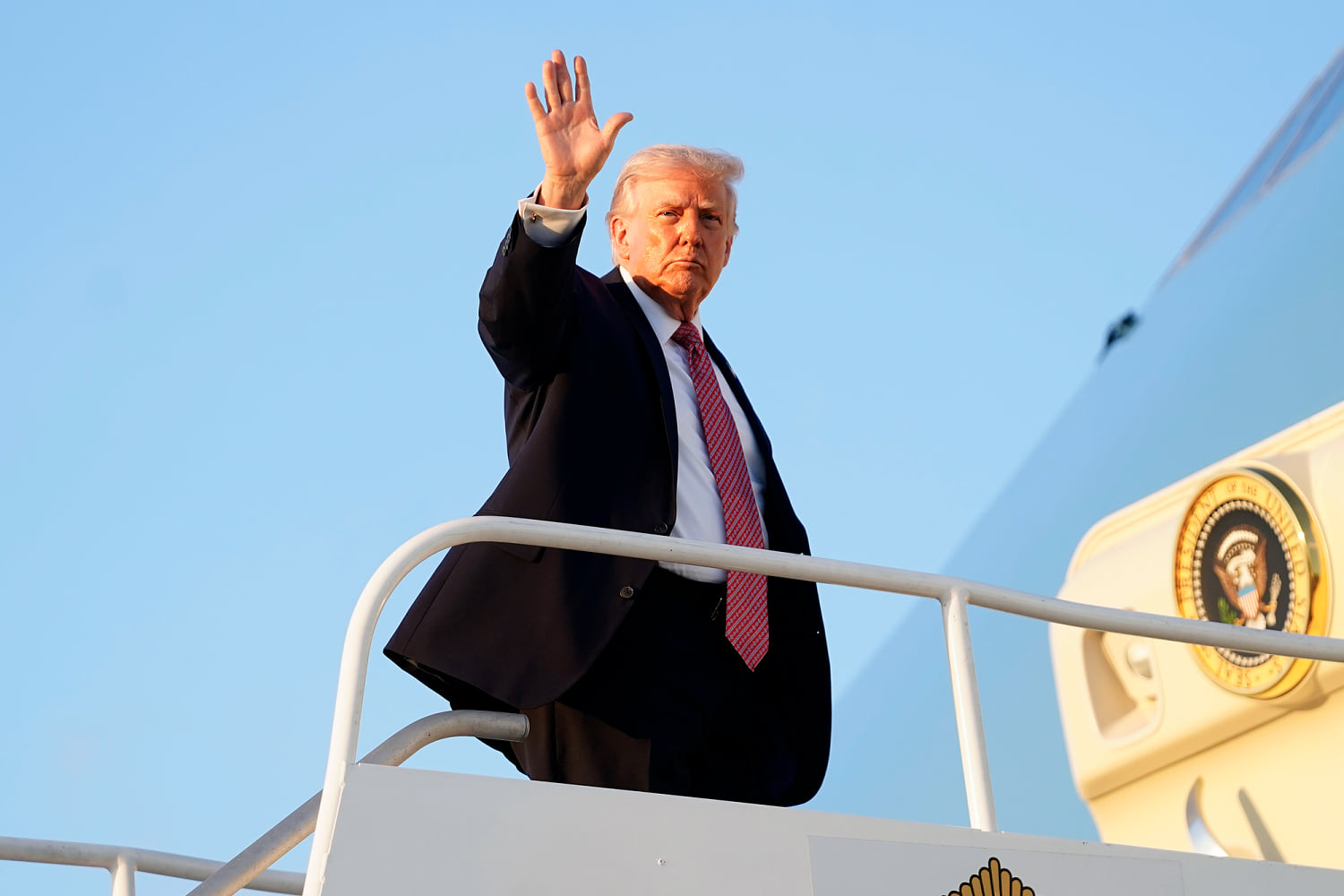
The suitcases are packed and the private jets are fueled. While you’re checking your bank balance to see if you can afford another week of surging gas prices and grocery bills, the people who actually run the country are heading to the airport. It’s a recurring theme in Washington D.C. that feels more like a bad movie every year. We’re currently staring down a potential Department of Homeland Security (DHS) shutdown and the massive, grinding costs of involvement in Middle Eastern conflicts, yet Congress decided it was the perfect time for a recess.
It’s not just about the optics. It’s about the tangible cost to your wallet and the safety of the country. When the DHS faces a funding gap, it isn’t just some abstract ledger problem. It means TSA agents, Border Patrol officers, and Coast Guard members are expected to show up to work without a paycheck. These are the people keeping the infrastructure of the country moving. They have mortgages. They have kids. Meanwhile, the politicians responsible for the budget are likely sipping cocktails at a beach resort or a mountain retreat. Discover more on a similar subject: this related article.
The Massive Financial Drain of Foreign Conflict
We’ve seen this script before. The tension involving Iran and broader Middle Eastern stability isn't just a headline on the evening news. It’s an economic weight. When the U.S. increases its military footprint or engages in regional posturing, the price tag is astronomical. We aren't talking about millions. We’re talking about billions of dollars that leave the domestic economy.
The Department of Defense budget is already a behemoth. When "contingency operations" get added to the mix, that money has to come from somewhere. Often, it comes from the long-term debt that your children will be paying off. If you've noticed that your tax dollars don't seem to be fixing the potholes on your street or improving your local school system, look toward the Strait of Hormuz. The fuel costs for a single carrier strike group are enough to make any taxpayer wince. Additional analysis by Reuters highlights related views on this issue.
The ripple effect on global oil markets is even more direct. Every time a new threat is issued or a drone is launched, the markets react. You feel that at the pump. It’s a hidden tax on every American who has to drive to work. We’re bearing the brunt of a foreign policy that often feels like it's being managed by people who haven't stepped foot in a "normal" neighborhood in decades.
Why a DHS Shutdown Is a Self Inflicted Wound
The Department of Homeland Security handles everything from airport security to cybersecurity and disaster response. Letting its funding lapse is essentially like leaving the front door of your house wide open while you go on vacation. It’s reckless.
- TSA Morale and Staffing: During previous shutdowns, we saw TSA "sick-outs." If people aren't getting paid, they can't afford the gas to get to the airport. This leads to massive lines, missed flights, and a blow to the travel industry.
- Border Operations: The men and women on the front lines are already stretched thin. Forcing them to work without pay is a slap in the face to the mission of national security.
- FEMA and Disaster Relief: If a hurricane or a major flood hits during a funding lapse, the administrative side of disaster relief gets bogged down in red tape and "essential vs. non-essential" designations.
The irony is thick. The same politicians who campaign on "securing the border" and "strong national defense" are the ones who allow these funding cliffs to happen. They use these agencies as pawns in a larger game of political chicken. They wait until the final hour, or past it, because they think it makes for good TV. Then, they go home.
The Disconnect Between the Beltway and the Real World
If you walked out of your job in the middle of a massive project or a crisis, you'd get fired. No question. In the private sector, results matter. In D.C., the process is the product.
There’s a deep sense of insulation in the capital. The people making these decisions are often wealthy enough that a 10% jump in gas prices doesn't change their lifestyle. They don't feel the sting of a delayed tax refund or the anxiety of a federal employee wondering if they can pay rent this month. This insulation breeds a certain kind of apathy. They view these crises as "leverage" for the next election cycle rather than problems that need immediate, adult solutions.
We’ve seen a shift in how these recesses are used. It used to be a time for representatives to meet with constituents and hear their concerns. Now, it’s mostly about high-dollar fundraising. They leave town not to listen to you, but to talk to donors who can keep them in power. It’s a closed loop.
How the Cost of Inaction Piles Up
Every day that a budget isn't passed or a conflict remains open-ended, the cost increases. Inflation isn't just about "greedy corporations." It’s also about the instability created by a government that can’t perform its basic functions. Businesses hate uncertainty. When they don't know if the government will be open next Tuesday, they hold back on hiring. They raise prices to hedge against risk.
The "Iran war" talk—whether it’s actual combat or just the looming threat—creates a permanent state of economic anxiety. It keeps defense contractors wealthy while the average person wonders why their health insurance premiums are going up again. It’s a massive transfer of wealth from the middle class to the military-industrial complex, and it’s happening with the quiet consent of a Congress that is currently out of the office.
Immediate Steps to Hold Them Accountable
Don't just sit there and get frustrated. The only thing these people care about more than their vacation is their job security.
Stop checking the national news for a second and look at your specific representative's schedule. Many of them hold "town halls" that are poorly advertised. Show up. Ask them why they’re on break while DHS employees are working for free. Ask them for a specific dollar amount on what our current Middle East involvement is costing your district.
You should also look at the "No Budget, No Pay" proposals that occasionally surface. It’s a simple concept: if they don't pass a budget on time, their paychecks stop too. Currently, they get paid even when the rest of the government is shuttered. Supporting candidates who back this kind of common-sense accountability is the only way to break the cycle.
Finally, pay attention to the actual votes, not just the speeches. Many politicians will tweet about how much they care about the "working man" while voting for the very measures that keep us in these perpetual cycles of debt and instability. Check the records. The data is out there. If they aren't doing the job, don't let them keep the job. It's time to stop paying the price for their vacations. Reach out to your local representative's office today and demand a clear timeline for DHS funding and a transparent report on foreign military expenditures. They work for you, even if they act like it's the other way around.