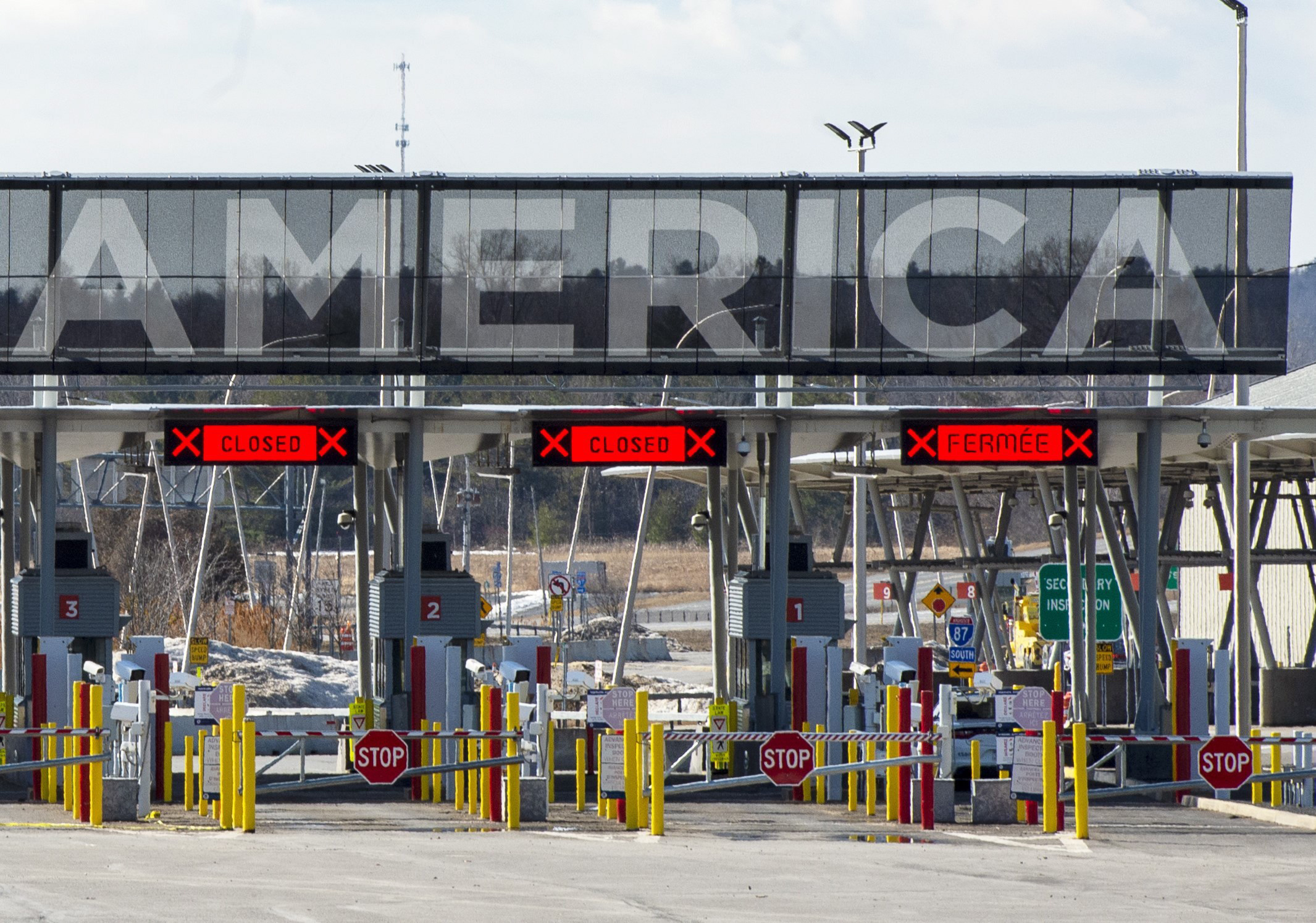
The streets across the West Bank went quiet this morning, but the silence isn’t a sign of peace. It is a synchronized shutdown. Shops are shuttered from Ramallah to Nablus, and public transportation has ground to a halt as Palestinians launch a general strike against a proposed Israeli law that would mandate the death penalty for "terrorists." While the headline suggests a simple clash over capital punishment, the reality is far more combustible. The legislation specifically targets those who kill Israeli citizens with nationalistic motives, a definition that, in practice, applies almost exclusively to Palestinians. This isn't just a debate about ethics. It is a fundamental shift in the legal architecture of the region that threatens to dismantle the remaining shreds of security coordination and ignite a third Intifada.
The strike serves as a blunt instrument of protest against a policy that many legal scholars argue creates a two-tiered justice system based on ethnicity. If passed, the law would allow military courts—which already have a 99% conviction rate for Palestinians—to hand down execution orders with a simple majority of judges.
The Mechanics of Legal Inequality
To understand the fury on the ground, one must look at how the law distinguishes between various forms of violence. Under the current proposal, a Palestinian who kills an Israeli for political reasons would face the gallows. However, an Israeli settler who kills a Palestinian under similar circumstances would likely be tried in a civilian court, where the death penalty does not apply. This disparity isn't a bug in the system; it is the core of the grievance.
Military law already governs the West Bank, but it has historically shied away from executions. The shift toward state-sanctioned killing represents a move from containment to retribution. It bypasses the traditional security logic that suggests dead martyrs are more dangerous than imprisoned ones. Security officials within Israel’s own internal agency, the Shin Bet, have voiced quiet desperation over the plan. They know the math. An execution provides a focal point for recruitment that a life sentence cannot match.
Blood Logic and the Martyrdom Cycle
The push for the death penalty is led by the far-right elements of the current Israeli coalition. Their argument is centered on "deterrence." They claim that the prospect of death will make a potential attacker think twice. History suggests otherwise. In a region where the concept of martyrdom is deeply embedded in the political and religious fabric, the threat of the noose often acts as an invitation rather than a deterrent.
When a state executes a prisoner, it creates a permanent icon. For the Palestinian factions, these executions would provide a steady stream of propaganda and a renewed mandate for "retaliatory" strikes. We have seen this cycle before, but never with the finality of a state-sponsored execution. The strike today is a preemptive attempt to show that the Palestinian public is willing to absorb economic pain to prevent this new precedent from taking root.
The Economic Cost of Silence
Strikes of this magnitude are not free. For the average shopkeeper in Hebron or a taxi driver in Jenin, a day without work means a day without food on the table. The fact that the strike is nearly universal across the territories indicates a level of desperation that transcends factional politics. It isn't just Hamas or Fatah calling the shots; it is a grassroots realization that the legal floor is dropping.
The Palestinian Authority (PA) finds itself in an impossible bind. If they support the strike too aggressively, they risk further financial sanctions from Israel. If they ignore it, they lose the last vestige of their domestic legitimacy. The PA’s security forces are currently the only thing standing between a total collapse of order and a full-scale armed uprising. By pushing for the death penalty, the Israeli government is effectively cutting the legs out from under the very people they rely on to keep the West Bank stable.
The International Precedent and the Global Lens
The international community generally views capital punishment with skepticism, but the "Palestinian-only" aspect of this law adds a layer of diplomatic toxicity. Human rights organizations are already preparing dossiers to present at the International Criminal Court. They argue that applying different sets of laws to two populations living in the same territory meets the legal definition of apartheid.
Washington has remained uncharacteristically blunt in its private warnings to the Israeli cabinet. The concern is not just human rights, but regional stability. If the West Bank explodes, the shockwaves will hit Amman, Cairo, and Riyadh. None of these capitals want to deal with a televised execution of a Palestinian prisoner while their own populations are already simmering with discontent over economic issues.
The Role of Military Courts
The military court system is the backbone of the occupation. It operates under a series of military orders that can be changed at the whim of a general. Introducing the death penalty into this environment removes the last layer of perceived judicial oversight. In a civilian court, there are endless appeals and a high bar for evidence. In a military court, the process is streamlined, opaque, and heavily tilted toward the prosecution.
Consider the "security offense" definition. It is broad enough to include everything from organized militia activity to throwing stones at an armored vehicle. While the current bill focuses on "intentional killing," the legal creep is inevitable. Once the machinery of death is built, it rarely stays confined to its original purpose.
The Mirage of Deterrence
Does the death penalty actually stop violence? In the United States, decades of data show no correlation between capital punishment and lower murder rates. In a conflict zone, the data is even more skewed. Suicide attackers, by definition, are not deterred by the prospect of death. They have already accepted it.
The move is political theater designed for a domestic Israeli audience that is tired of a perceived lack of security. It is a "tough on crime" stance applied to a geopolitical conflict. But politics and security are often at odds. What wins votes in Tel Aviv can cause a bloodbath in the hills of Samaria.
The Collapse of the Status Quo
For years, the West Bank has existed in a fragile state of "managed conflict." Israel provides the security umbrella and controls the borders, while the PA manages the day-to-day bureaucracy. This arrangement is dying. The death penalty law is the final nail in the coffin of the Oslo era. It signals that there is no longer an intent to find a political solution, only a desire to manage the population through extreme punitive measures.
The strike is a warning shot. It tells the world that the Palestinian people have reached a limit. When a population feels that the law is no longer a tool for justice but a weapon for their elimination, they stop respecting the law entirely. That is when the transition from civil disobedience to armed struggle becomes inevitable.
The gallows are being built not out of a sense of justice, but out of a failure of imagination. Leaders on both sides are trapped in a feedback loop where every action demands a more violent reaction. If this law passes, the next strike won't be a quiet closing of shops. It will be the sound of a region finally reaching its breaking point.
The immediate result of today's strike will be measured in lost revenue and empty streets. The long-term result will be measured in the names of the people who end up on the executioner’s list and the retaliations that follow. Security is never found at the end of a rope. It is found in the creation of a system that everyone believes is fair. Right now, that fairness is nowhere to be found in the West Bank.