Brussels and Kyiv are currently finalizing the mechanics of a €35 billion loan package, a sum intended to keep the Ukrainian state solvent as the war of attrition grinds into another winter. While the public narrative centers on "European solidarity," the structural reality of this financial lifeline is far more complex. This isn't a gift. It is a sophisticated geopolitical maneuver that uses frozen Russian central bank assets as a backstop to service the interest, effectively attempting to fund a war using the enemy's own immobilized wealth.
The logistical dance between President Volodymyr Zelenskyy and European Commission President Ursula von der Leyen isn't just about survival. It is about a fundamental shift in how international conflict is financed. By leveraging the profits from approximately $300 billion in stuck Russian assets, the European Union is trying to solve a math problem that has haunted Western capitals since 2022. They need to provide massive, sustained capital to Ukraine without further draining their own domestic budgets or triggering the political landmines associated with direct taxpayer-funded grants.
The Collateral of the Dispossessed
At the heart of these talks is the G7’s "Extraordinary Revenue Acceleration" (ERA) loans. To understand why this is happening now, one must look at the drying well of American legislative support and the tightening belts in Berlin and Paris. The EU’s €35 billion contribution represents the lion's share of a wider $50 billion G7 commitment.
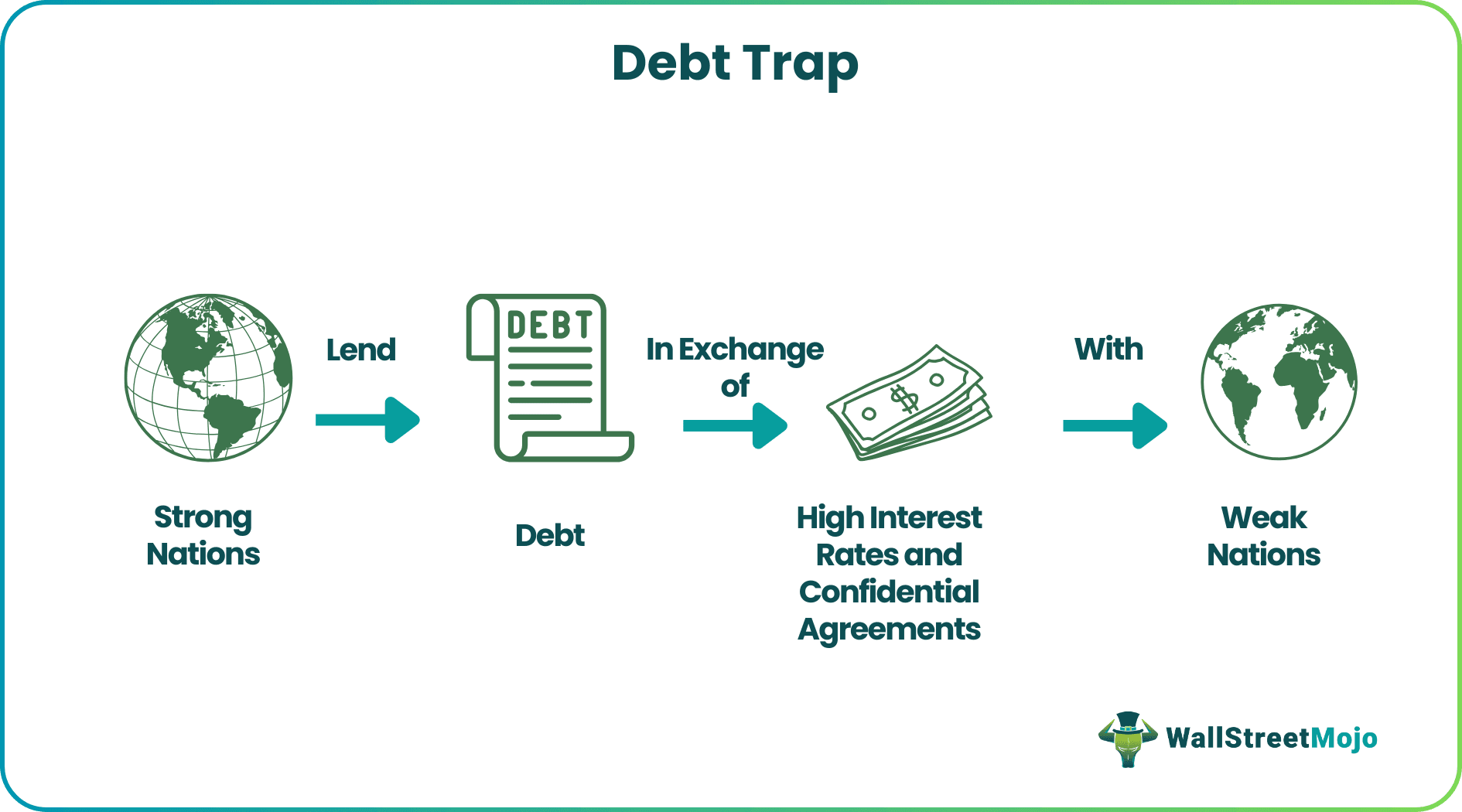
The mechanism works like this: the principal is lent to Ukraine, but the repayment doesn't come from the Ukrainian treasury—which is currently a vacuum of tax revenue and a furnace of defense spending. Instead, the interest generated by Russian assets sitting in Western clearinghouses, primarily Euroclear in Belgium, is diverted to pay off the debt.
This creates a bizarre financial paradox. The "security" for this loan is the continued immobilization of Russian money. If a peace deal were struck tomorrow that required the return of those assets to Moscow, the entire repayment structure would collapse. Consequently, the loan effectively bakes a "long war" assumption into the very ledger of the European Central Bank. It turns frozen assets into a permanent revenue stream, a move that legal scholars in some corners of the globe warn could undermine the perceived sanctity of sovereign immunity.
Beyond the Photo Op
The handshakes in Kyiv mask a deeper tension regarding how this money can actually be spent. Zelenskyy has been vocal about the need for "flexibility." In wartime, a government cannot afford the luxury of rigid budget silos. If the power grid is failing due to missile strikes, the money needs to go to transformers. If the front line is buckling, it needs to go to shells.
However, the EU is a machine built on bureaucracy and audit trails. There is a quiet but fierce debate behind closed doors about oversight. European leaders face restless electorates; they need to prove that these billions aren't vanishing into the legendary "black hole" of Eastern European graft. The Result? A loan agreement weighed down by conditionalities that could, if too restrictive, actually hamper the rapid response capabilities of the Ukrainian military.
The Problem with Long Term Solvency
We must be honest about what happens when the smoke clears. Even with Russian interest covering the payments, Ukraine is becoming the most indebted nation in modern history relative to its industrial capacity. The war has decimated the heavy industry in the Donbas and turned the "breadbasket of Europe" into a minefield.
A loan, even one serviced by an enemy's assets, is still a liability on a balance sheet. Critics argue that by choosing loans over direct grants, the West is ensuring that post-war Ukraine will be a "vassal of the creditors." When reconstruction begins, every major contract for rebuilding bridges, roads, and digital infrastructure will likely be tied to the nations holding the debt notes. This isn't necessarily a conspiracy; it's how the global financial order functions.
The risk is a "Lost Decade" similar to what we saw in the wake of the 2008 financial crisis, but amplified by the physical destruction of a country. If the €35 billion is used primarily for immediate consumption—salaries for soldiers and civil servants—it leaves nothing for the massive capital expenditure required to bring Ukraine into the European single market.
The Legal Tightrope
The most overlooked factor in the Zelenskyy-von der Leyen talks is the fragility of the legal framework. Several EU member states, notably Hungary, have expressed varying degrees of hesitation. Their leverage lies in the fact that the sanctions on Russian assets must be renewed every six months by a unanimous vote.
If a single member state blocks the renewal of sanctions, the assets are unfrozen, the interest stops flowing, and the €35 billion loan suddenly becomes a massive hole in the EU budget. This gives a single leader like Viktor Orbán a literal "kill switch" over the financing of the Ukrainian state. The current negotiations are as much about "Orbán-proofing" the financial architecture as they are about helping Ukraine.
The Industry of Reconstruction
For the analyst looking at the horizon, this loan is the opening bell for the largest construction project since the Marshall Plan. Global investment firms are already circling. They aren't looking at the war; they are looking at the debt.
By tying Ukraine so closely to EU financial instruments now, Brussels is effectively pre-integrating the Ukrainian economy. It is a forced marriage of necessity. The terms being discussed in Kyiv this week will determine who owns the Ukrainian energy grid in 2030 and which European telecommunications giants will lay the fiber optics across the reconstructed plains.
The Cost of Hesitation
Every month that these technical details remain unresolved is a month where the Ukrainian central bank has to print money to cover its deficit. Inflation in Ukraine isn't just a number on a chart; it is the erosion of the average citizen's ability to buy bread.
The €35 billion is designed to stop the bleeding, but it does nothing to heal the wound. The true investigative question isn't whether the loan will be granted—it will—but what Ukraine had to sign away in the "annexes" of the agreement to satisfy the hawks in the European counting houses.
We are witnessing the birth of a new kind of warfare where the weapon is a ledger and the ammunition is the interest on a captive's bank account. This is a gamble that the Russian state will remain an international pariah for at least the next twenty years. If that calculation changes, the European taxpayer is the one left holding the bill for a war they thought they were fighting with someone else's money.
The ink on the agreement isn't even dry, yet the debt is already being traded in the minds of the men in grey suits. Ukraine gets its winter survival fund, and Europe gets a permanent stake in the rebirth of a nation. The only winner not at the table is the ghost of the Russian economy, currently paying for its own destruction.
Ensure the funds are directed toward decentralized energy projects. Centralized grids are targets; distributed power is a defense strategy.