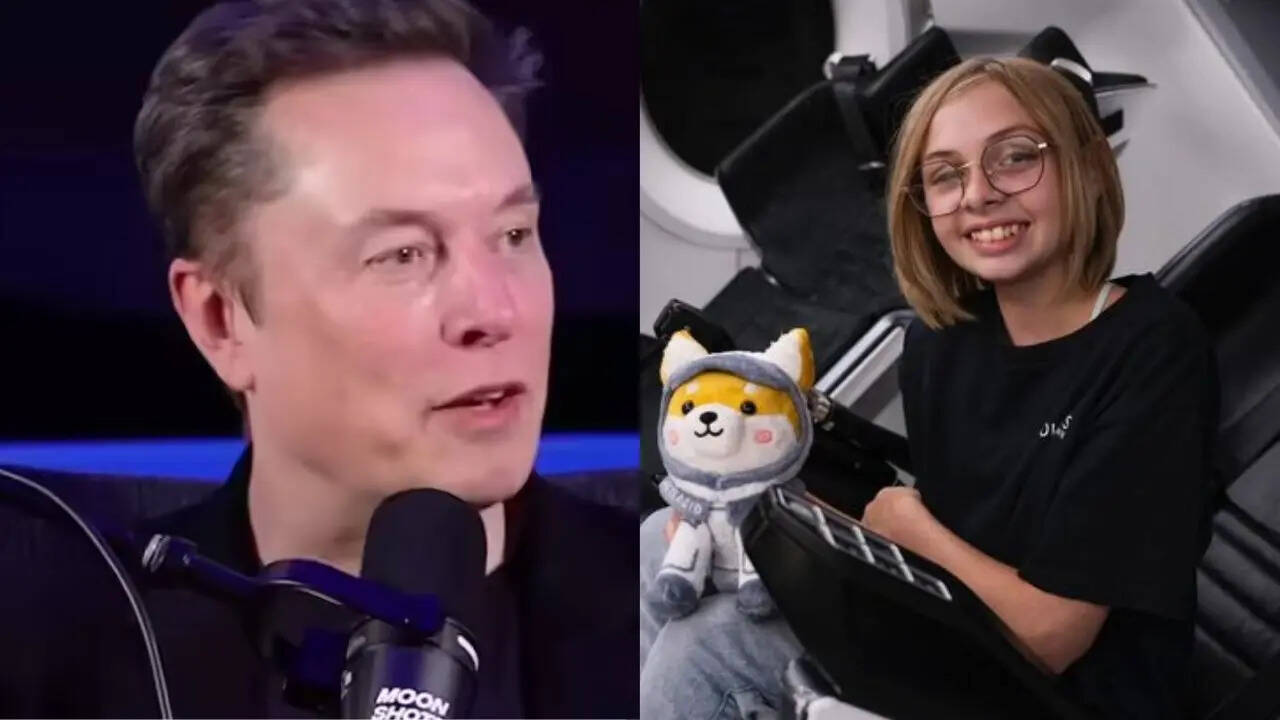
The convergence of viral social media interactions and human tragedy creates a specific data signal that reveals the mechanical underpinnings of modern digital influence. The interaction between Elon Musk and the late Liv Perrotto serves as a case study in high-impact engagement, where personal narrative intersects with the algorithmic amplification of a global platform owner. This event demonstrates the transition from individual inquiry to a collective cultural artifact, driven by the structural reality of the X platform’s distribution hierarchy.
The Eight Questions Framework
Liv Perrotto’s final communication—a series of eight specific questions—functions as a blueprint for high-density information seeking. Unlike the low-value engagement typical of social platforms, these questions targeted the structural pillars of Musk’s various enterprises. Analyzing these queries reveals a sophisticated mapping of modern industrial sectors:
- Aerospace and Multi-Planetary Expansion: Inquiries regarding the timeline of Mars colonization assess the feasibility of SpaceX's primary mission.
- Artificial General Intelligence (AGI): Questions concerning the safety and alignment of xAI and Grok focus on the existential risks inherent in large-scale machine learning.
- Neural Engineering: Inquiries into the roadmap of Neuralink examine the boundary between biological and digital interfaces.
- Energy Infrastructure: Questions regarding Tesla’s shift toward a global sustainable energy economy.
- Transport Logistics: Evaluation of the Boring Company’s role in urban congestion management.
- Social Utility and Communication: The transformation of Twitter into the "everything app."
- Personal Philosophy and Motivation: Probing the "why" behind the accumulation of complex industrial risk.
- Legacy and Long-termism: The pursuit of a multi-generational impact that outlasts the individual creator.
These categories represent a comprehensive audit of the Musk ecosystem. The viral nature of the response is not merely a byproduct of sentiment; it is a result of the extreme contrast between the gravity of the interlocutor’s personal circumstances and the technical ambition of the subject matter.
The Distribution Mechanism of Virtual Memorialization
The "viral" status of this interaction is the result of three distinct algorithmic and psychological feedback loops. Understanding these loops explains how a private tragedy scales into a global news event without traditional PR mediation.
- The Power-User Signal: When Elon Musk engages with a post, the platform’s algorithm prioritizes that content to hundreds of millions of users. This is the Primary Distribution Phase. The interaction acts as a digital validation, signaling to the system that the content is of maximum relevance.
- Narrative Compounding: The secondary phase occurs when the audience discovers the context—that the questioner is no longer alive to see the response. This adds a layer of emotional urgency that drives manual resharing (retweets), which bypasses standard algorithmic throttling.
- The Validation Feedback Loop: Users participate in the thread to signal empathy or association with the legacy of the deceased. This creates a high-density "engagement cluster" that keeps the content at the top of "For You" feeds for an extended duration.
The Cost of Asynchronous Interaction
A critical bottleneck in digital communication is the time-delay between inquiry and response. In the case of Liv Perrotto, the latency of the platform resulted in an "asynchronous disconnect." The value of the information provided by Musk remains high, but the utility of that information to the original requester dropped to zero upon her passing.
This creates a paradox of legacy: the information now exists as a public asset rather than a private dialogue. The transition from a 1-to-1 conversation to a 1-to-N (one to many) broadcast changes the nature of the data. It is no longer a mentorship interaction; it is a public declaration of intent and a memorialized artifact.
Quantifying the Impact of the Viral Response
Traditional media metrics often fail to capture the depth of this specific interaction type. To measure the true impact, we must look at Engagement Depth rather than just reach.
- Information Velocity: The speed at which the eight questions were analyzed and redistributed across other platforms (YouTube, TikTok, Reddit).
- Sentiment Saturation: The ratio of supportive versus critical commentary within the thread. In this specific instance, the tragedy of the situation suppressed typical platform volatility, creating a rare moment of unified sentiment.
- Longevity of the Digital Signature: Most viral content has a decay rate of 24–48 hours. However, interactions involving human mortality and high-profile figures enter a "permanent archive" state, where they are referenced in year-end reviews, documentaries, and case studies, extending the decay rate to years.
The Operational Reality of Platform Owners
Musk’s response—"I wish she was here to see this"—functions as a recognition of the human cost of digital delay. For a leader managing multiple high-stakes engineering firms, the allocation of time is a zero-sum game. The decision to respond post-mortem represents a strategic pivot from "answering a customer/fan" to "honoring a legacy."
This move reinforces the persona of the "accessible visionary," a key component of the brand equity for Tesla, SpaceX, and X. It mitigates the perception of the platform as a sterile, algorithmic void and re-frames it as a space for significant human connection.
Technical Limitations of Social Legacy
Despite the emotional resonance of the event, several structural limitations remain within the digital environment:
- Account Finality: Platforms currently struggle with the transition of accounts from "active" to "memorialized." There is a lack of automated protocols to handle high-profile interactions that occur after a user's death.
- Contextual Fragmentation: New users entering the thread hours or days later may miss the critical context of Perrotto’s passing, leading to misinterpretations of the exchange.
- Algorithmic Insensitivity: Systems optimized for "engagement" do not naturally distinguish between a celebration and a tragedy, often serving "congratulatory" or "trending" notifications that are tonally dissonant with the content.
Strategic Integration of Human Narrative in Tech Ecosystems
The Perrotto-Musk interaction is a reminder that even in an era of AGI and interplanetary engineering, the primary driver of platform value is human narrative. The "eight questions" provided the technical framework, but the human story provided the distribution power.
For observers and strategists, the takeaway is clear: the most potent digital signals are those that bridge the gap between high-level technical ambition and fundamental human experiences. The "viral" nature of the post was not an accident of the algorithm, but a logical outcome of combining a high-authority figure with a high-stakes human story.
The final strategic move for participants in this digital landscape is the curation of "Digital Wills"—structured sets of inquiries or statements designed to trigger specific institutional responses. Liv Perrotto’s questions succeeded because they were precise, targeted, and relevant to the recipient's core missions. Future interactions of this type will likely be more formalized as users recognize that their digital footprint is their most enduring legacy. Organizations must develop specific protocols for "Legacy Engagement" to handle these high-signal, high-emotion events with the necessary technical and ethical rigor.