The Integrated Warfare Myth
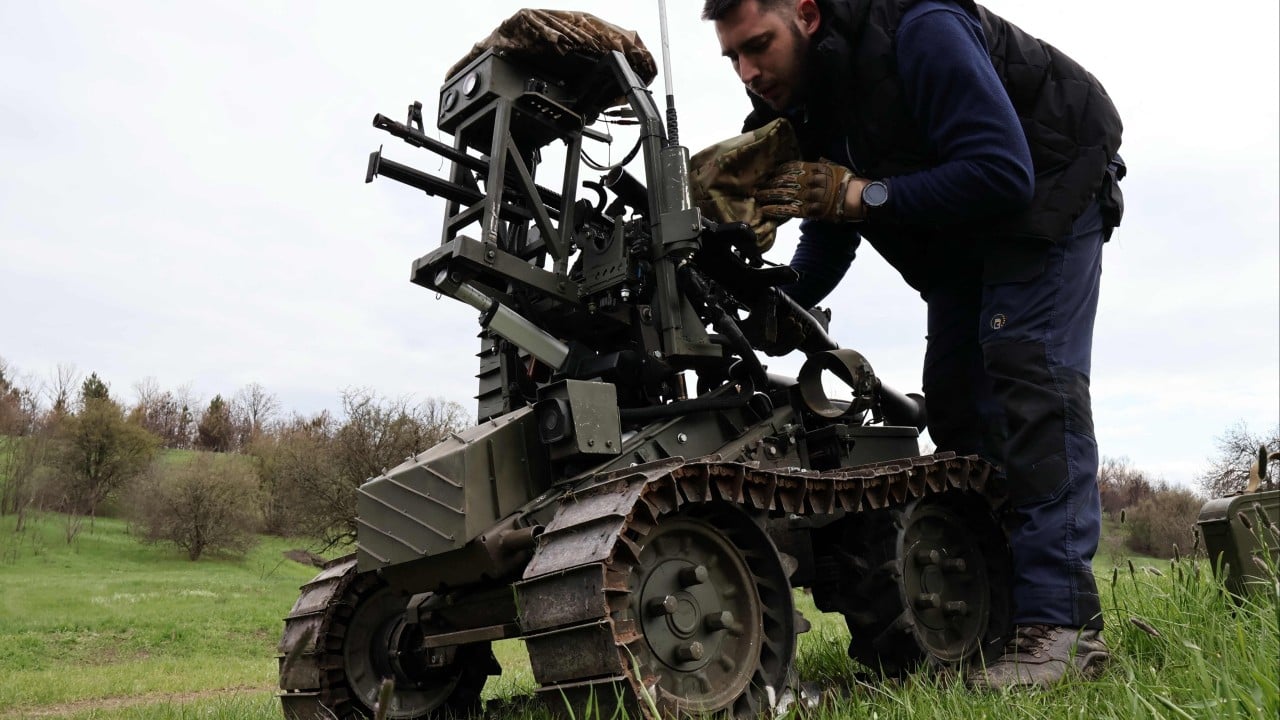
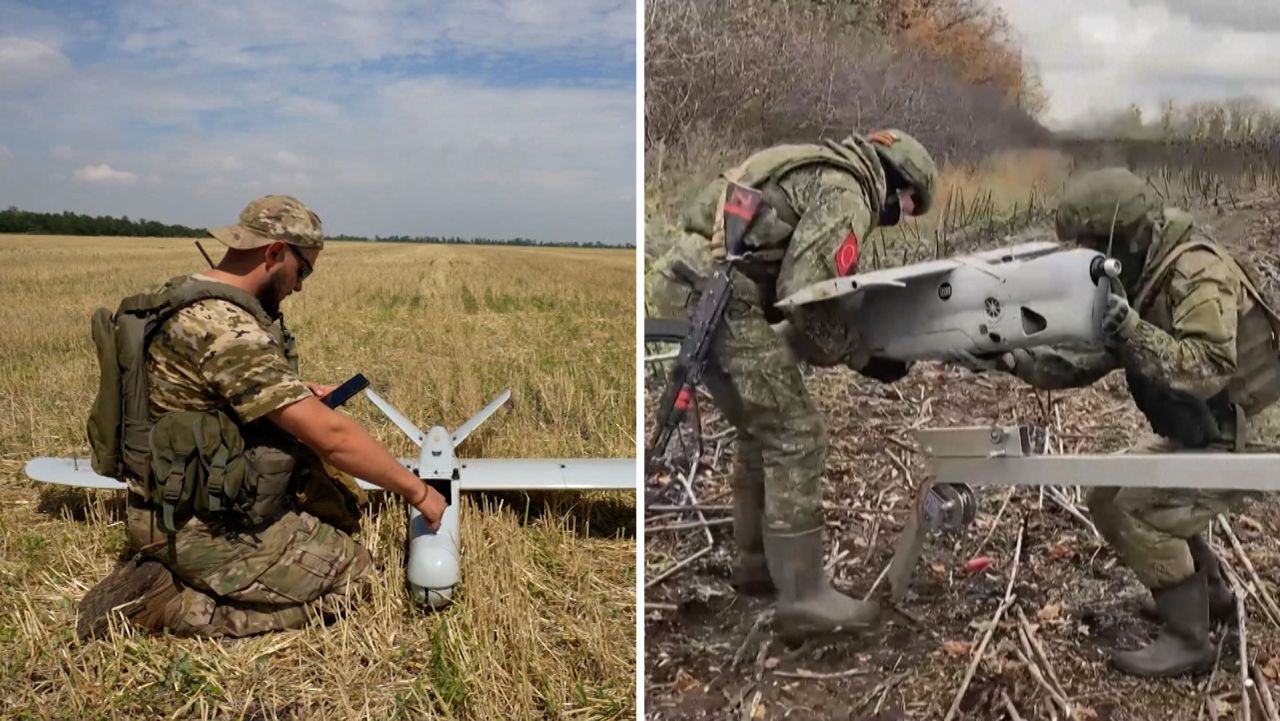
The press is currently obsessed with "integrated drone-infantry warfare." They paint a picture of a seamless, high-tech ballet where cheap quadcopters act as the eyes and ears of the grunt on the ground, making the battlefield transparent and the soldier invincible. It sounds like progress. It looks like a revolution.
It is actually a death trap.
What the mainstream media misses—and what military theorists are currently ignoring in favor of shiny procurement contracts—is the Entropy of Coordination. In the real world, adding a layer of complex robotics to a platoon-level engagement doesn't simplify the mission. It creates a massive, radiating electronic signature that screams "kill me" to any electronic warfare (EW) suite within forty kilometers.
We are told that drones "support" the infantry. In reality, the infantry is increasingly being used as a biological battery pack and security detail for the drone operators. The human is no longer the predator; the human is the tethered logistical support for a fragile piece of plastic that crashes the moment a Russian or Chinese jammer cycles its frequencies.
The Electronic Signature Suicide
Every time a "new integrated system" is deployed, we hear about the "tactical edge." We rarely hear about the Noise Floor.
When you integrate drones into a squad, you aren't just adding a camera. You are adding:
- High-bandwidth radio frequency (RF) emissions.
- Lithium-ion thermal spikes.
- Latency in decision-making while soldiers stare at tablets instead of the treeline.
I have watched units spend millions on "battlefield management systems" only to realize that the moment they turn the gear on, they become the brightest light in a dark room. Peer-level adversaries—nations with actual EW capabilities—don't try to shoot down the drone first. They find the operator. They find the data link. They find the infantry squad carrying the extra batteries and they delete that grid square with heavy thermobarics.
Integration is not a shield. It is a beacon. By forcing infantry to rely on drone feeds for "situational awareness," we are eroding the fundamental combat skills that keep soldiers alive when the screens go black.
The Fallacy of Cheap Attrition
The "consensus" view is that $500 FPV (First Person View) drones have democratized air power. The logic follows that since a drone can kill a $5 million tank, the drone wins the economic war.
This is a surface-level observation that ignores the Logistical Tail.
A tank requires a crew of three and a fuel truck. A truly "integrated" drone-infantry unit requires a constant stream of high-grade components, specialized technicians, frequency-hopping software updates every seventy-two hours to bypass new jamming, and a massive supply of specialized batteries.
When you factor in the attrition rate—where 90% of drones are lost to signal interference or simple pilot error rather than kinetic action—the "cheap" drone becomes an expensive, ongoing operational tax. We are trading durable hardware for disposable tech that requires a sophisticated global supply chain to function for even ten minutes in a contested environment. If your "revolution" depends on a steady shipment of chips from a factory in Shenzhen that might be closed tomorrow, you don't have a new warfare system. You have a ticking clock.
The Cognitive Load Crisis
Ask any sergeant what happens to a squad when they start relying on a drone feed. They stop looking at the ground. They stop listening for the snap of a twig. They stop sensing the "vibe" of an ambush.
Cognitive tunneling is a well-documented psychological phenomenon. When a soldier is integrated into a digital system, their brain prioritizes the high-definition video feed over their own sensory input. We are creating a generation of "Tactical Gamers" who are brilliant at navigating a drone through a window but have forgotten how to read a map or use a compass when the GPS is spoofed.
The "nuance" the headlines miss is that total integration creates a Single Point of Failure. If the network goes down, the "integrated" soldier is more helpless than a 19th-century rifleman. The rifleman knew he was alone. The integrated soldier thinks he has a god-like view of the world until the screen flickers to static. Then, he is a blind man in a forest full of wolves.
The Counter-Intuitive Truth: Less is More
The military that wins the next major conflict won't be the one with the most drones. It will be the one that knows how to turn them off.
True tactical superiority in the age of ubiquitous surveillance comes from Emissions Control (EMCON). While the "integrated" squads are busy broadcasting their location to every SIGINT (Signals Intelligence) satellite in orbit, the winning force will be the one that operates in the "grey zones" of the spectrum.
We should be moving toward "Disintegrated Warfare."
- Decouple the sensors from the shooters.
- Remove the constant data-stream requirement.
- Return to mission command where the infantry is told what to do, not how to do it based on a shaky video feed from a drone that's about to be jammed.
The current trend of "drone-infantry integration" is a frantic reaction to a new technology. It isn't a strategy. It's a shiny object.
The Myth of the "Transparent" Battlefield
"You can't hide anymore," they say. "The drone sees everything."
This is the biggest lie in modern defense tech. Drones see pixels. They don't see intent. They see a truck; they don't know if it's full of wounded civilians or high explosives. By over-relying on "integrated" drone feeds, commanders are making life-and-death decisions based on low-resolution context.
We are replacing human intuition with digital data, and we are calling it an upgrade.
Imagine a scenario where a commander sees a "target" on a drone feed and orders a strike. The integration is "seamless," the response time is seconds. But because the drone was at 300 feet and the operator was focused on the vehicle, they missed the camouflaged anti-air battery 50 yards away that was specifically baiting the drone. The "integrated" system worked perfectly, and it led the unit directly into a slaughter.
The Economic Trap of the Drone Industrial Complex
The push for integrated drone warfare is being driven by the same people who sold us the high-altitude persistent surveillance myths of the early 2000s. It’s a gold mine for contractors. Why sell a soldier a ruggedized radio that lasts ten years when you can sell them a "system" of 500 drones that need to be replaced every month?
We are being sold "integration" as a tactical necessity, but it is actually a recurring subscription model for warfare. The more "integrated" a soldier is, the more dependent they are on the factory.
The Hard Truth
The future of infantry isn't a guy with a VR headset and a quadcopter. The future is a soldier who can survive in an environment where no electronics work.
The current obsession with drone integration is a temporary advantage being treated as a permanent shift. It works against insurgencies. It works against under-equipped regional powers. It will be an absolute liability in a high-intensity conflict against a peer who understands that the easiest way to kill a drone is to kill the person holding the remote.
Stop celebrating the "integration." Start worrying about the dependency. A soldier who can't fight without a drone isn't a super-soldier. They are a liability.
The next war won't be won by the side with the best software. It will be won by the side that can still kill the enemy when the batteries die and the screens go dark. Every dollar spent on "integrating" a drone into a squad is a dollar taken away from teaching that squad how to survive the inevitable moment the technology fails them.
Throw the tablet in the mud and pick up your rifle. The drones are watching, and they aren't on your side.