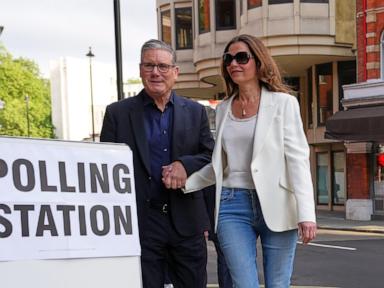
Keir Starmer is currently facing the most significant threat to his premiership, and it isn't coming from the opposition benches in Westminster. As polls open across England, Scotland, and Wales this Thursday, May 7, 2026, the Labour Party is bracing for a projected electoral wipeout that could see them lose upwards of 70% of the council seats they are defending. This isn't a standard mid-term slump. It is a fundamental rejection of the centrist stability Starmer promised in 2024, as voters migrate in droves toward Reform UK on the right and the Greens on the left.
The scale of the anticipated defeat is historic. In 2022, Labour rode a wave of "Partygate" indignation to a 35% polling share. Today, that support has cratered to approximately 20%. If the projections from YouGov and More in Common hold, Starmer will oversee the worst local election performance of any sitting Prime Minister in modern British history, eclipsing the lowest points of both Gordon Brown and John Major. Learn more on a related subject: this related article.
The Northern Fracture and the Reform Surge
The most visceral damage is expected in the northern metropolitan boroughs—the traditional "Red Wall" that Labour fought so hard to reclaim. In towns like Wigan, Sunderland, and Barnsley, the Labour machine is no longer clashing with a diminished Conservative Party. Instead, they are being dismantled by Reform UK.
Reform has transitioned from a fringe pressure group into a localized juggernaut. Unlike previous iterations of right-wing insurgency, they have successfully built a grassroots infrastructure in the post-industrial North. Their messaging focuses on a perceived betrayal over immigration and the sluggishness of the post-2024 economic recovery. In counties like Essex, Norfolk, and Suffolk, Reform is not just "spoiling" the Conservative vote; they are projected to take outright control of county councils. This shift represents a permanent realignment of the English rural and working-class heartlands, moving away from the two-party duopoly that has defined the last century. Further journalism by NPR delves into comparable perspectives on this issue.
The Green Siege of the Inner Cities
While the right flank is being hit by Reform, Labour's left flank is under sustained bombardment from the Green Party. This is most evident in the London boroughs and university towns. The Greens have capitalized on deep-seated frustration regarding Starmer’s cautious fiscal policies and his perceived vacillation on climate targets.
In London, the "Starmer Project" is being tested in its own backyard. Once-safe Labour strongholds in Hackney, Haringey, and Lambeth are now three-way battlegrounds. The Greens are currently polling between 22% and 26% in the capital, often surpassing Labour among voters under 40. This isn't just about environmentalism. It is a protest against a government that many activists feel has become indistinguishable from the administration it replaced. The "Green Surge" is real, localized, and increasingly professionalized.
The Mandelson Factor and the Leadership Vacuum
Beyond the doorstep, Starmer’s personal authority has been eroded by a series of self-inflicted wounds. The recent controversy surrounding Peter Mandelson’s failed security vetting for the US Ambassador role has provided a focal point for internal dissent. For many in the Parliamentary Labour Party (PLP), this was the moment the "competence" narrative finally broke.
The internal mood is febrile. Behind the scenes, cabinet ministers are already positioning themselves for a post-Starmer era. While the Prime Minister has attempted to frame these elections as a choice between "stagnation and progress," the public appears to see it as a choice between a failing status quo and various forms of radical change.
The Scottish and Welsh Existential Crisis
The situation in the devolved nations is even more precarious.
- Wales: Labour is on the verge of losing its decades-long dominance of the Senedd. Plaid Cymru is projected to win a plurality, with Reform UK potentially becoming the second-largest party.
- Scotland: The SNP, despite their own internal turmoils, are finding a second wind as Scottish voters sour on the "Change" promised by Labour in 2024.
A Fragmented Future
The 2026 local elections signal the death of the "catch-all" political party. We are moving into an era of hyper-fragmentation. The Liberal Democrats are holding their own in the "Blue Wall" of the South, the Greens are carving out urban fiefdoms, and Reform is consolidating the provincial vote.
The Conservative Party, meanwhile, remains trapped in a pincer movement. Polling at a dismal 18%, they are losing voters to Reform in Leave-leaning areas and to the Liberal Democrats in the affluent South. However, the focus remains on Starmer because he holds the levers of power.
If Friday morning reveals the "total bloodbath" that pollsters expect, the pressure for an "orderly transition" of leadership will become an ultimatum. Starmer has indicated he will "set out his stall and fight," but a Prime Minister without a base of councillors or a clear polling mandate is a figurehead in name only. The voters are sending a message that goes beyond local bin collections or council tax rates. They are rejecting the very foundation of the 2024 mandate.
The era of the landslide is over. The era of the coalition of chaos has begun.