The Wildfire Theater
The standard media script for Mediterranean wildfires is as predictable as it is flawed. A spark ignites dry brush in Tuscany, the wind picks up, smoke plumes dominate the horizon, and local authorities order mass evacuations. Headlines scream about the destruction of idyllic woodlands, while reporters paint a picture of a pristine ecosystem being wiped out by an unnatural disaster.
This narrative is not just incomplete. It is dangerously wrong.
When the press tracks thousands of residents fleeing the hills of Lucca or Pisa, they frame fire as an external invader. They treat the forest as a static museum piece that must be protected from change at all costs. I have spent years analyzing land management policies across Southern Europe, and the reality on the ground tells a completely different story.
The tragedy of the Tuscan fires is not that they burn. The tragedy is that we have spent fifty years creating the perfect conditions for them to burn catastrophically, all while calling it conservation.
The Illusion of the Pristine Forest
To understand why the current approach to wildfires fails, you have to discard the romanticized notion of the Italian wilderness.
There is no untouched, primeval forest in Tuscany. Every square meter of woodland from the Apennines to the Maremma coast is a highly managed, artificial landscape shaped by millennia of human activity. For centuries, rural Italians grazed sheep and goats, harvested firewood, cleared underbrush, and maintained terraces. This intensive land use kept the fuel load low. Fire had nowhere to go.
Then came the economic boom of the mid-20th century.
Rural populations abandoned the hills for jobs in Florence, Milan, and Rome. Terraces were neglected. Grazing stopped. The forest reclaimed the abandoned pastures, creating unbroken stretches of dense, continuous vegetation.
Historical Land Use (Low Fuel) -> Rural Abandonment -> Dense Biomass Accumulation -> Catastrophic Fire Risk
When you stop managing a Mediterranean landscape, you do not get a pristine wilderness. You get a tinderbox. The dense thickets of pine and oak that look so beautiful to tourists are actually a massive accumulation of volatile biomass waiting for a spark.
The Suppression Paradox
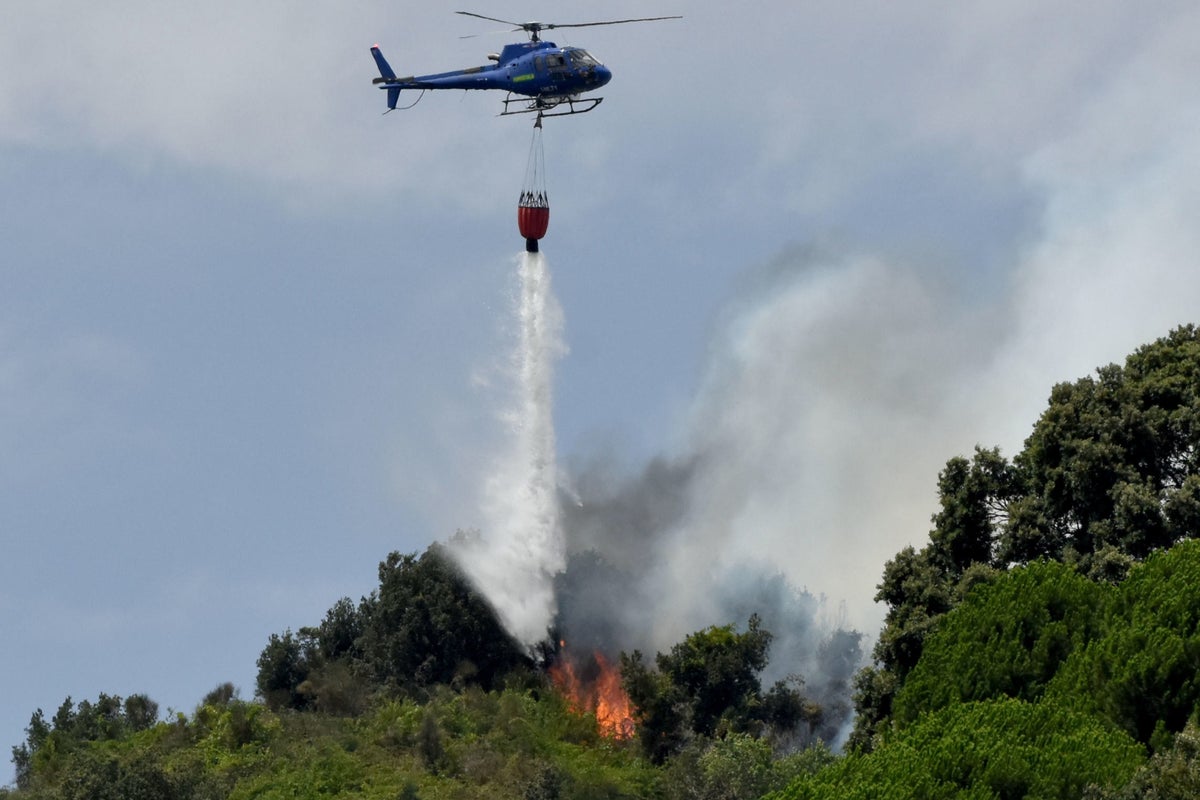
The fatal mistake of modern environmental policy is the belief that every fire must be extinguished immediately. This strategy, known as total suppression, feels intuitive. It makes for great television when Canadair planes drop water on burning hillsides.
But it makes the underlying problem worse.
By suppressing small, low-intensity fires, we prevent the natural thinning of the forest. Deadwood builds up. The canopy closes. Instead of burning off the leaf litter every few years, the ecosystem saves up its energy for a single, catastrophic inferno that destroys everything in its path.
We are trading minor, manageable burns for massive, uncontrollable disasters.
Why Evacuation Is a Symptom of Failure
When thousands of people are forced to abandon their homes in the Tuscan countryside, it represents a collapse of local planning. We have allowed residential development to creep into the wildland-urban interface (WUI) without enforcing the basic rules of living in a fire-prone ecosystem.
The Myth of the Unpreventable Disaster
Property owners buy restored farmhouses surrounded by dense woods because they want privacy and "nature." Then they refuse to clear the trees within thirty meters of their roofs because it ruins the aesthetic.
When the fire comes, the local fire department has to divert all its resources to defending these indefensible homes, leaving the broader forest to burn unchecked.
Consider the contrast between two management styles:
| Traditional Fire Management | Modern Suppression Policy |
|---|---|
| Uses controlled burns to reduce fuel | Views all smoke as a crisis |
| Encourages livestock grazing to clear brush | Protects continuous, overgrown vegetation |
| Prioritizes defensible space around structures | Relies on emergency evacuations |
| Accepts fire as a necessary ecological process | Treats fire as a purely destructive force |
By treating every fire as an unexpected emergency rather than a predictable ecological event, we create a culture of panic. Evacuation becomes the only tool left in the box because no one did the hard work of fuel reduction in the winter months.
Dismantling the "Climate Change" Alibi
It has become incredibly fashionable for politicians and media outlets to blame every wildfire exclusively on climate change. It is the perfect alibi. If the fire is caused by global warming, local officials are not responsible for the overgrown forests, the lack of firebreaks, or the outdated zoning laws that let people build in high-risk zones.
Let us be clear: rising temperatures and prolonged droughts do make fire seasons longer and more intense. They lower the moisture content in the fuel.
But climate change is a threat multiplier, not the root cause.
A spark in a well-managed forest with low fuel levels results in a patchy, low-intensity burn that clears the undergrowth and stimulates new growth. The same spark in an unmanaged, overgrown Tuscan woodland results in a crown fire that sterilizes the soil and forces villages to flee.
Stop letting incompetent regional administrations hide behind emissions charts. They failed to manage the land. That is why Tuscany burns.
How to Actually Live with Fire
If we want to stop reading about mass evacuations in Italy, we have to change how we interact with the landscape. This requires moving away from the reactive model of emergency management and toward a proactive model of land stewardship.
1. Bring Back the Animals
The cheapest, most effective weed whackers in the world have four legs.
Reintroducing sheep and goats to the hills of Tuscany would do more to prevent catastrophic fires than a fleet of firefighting aircraft. Grazing keeps the understory clear, breaking the vertical continuity of the fuel. It prevents ground fires from climbing into the tree canopy, where they become unstoppable.
2. Legalize and Incentivize Controlled Burns
In much of Southern Europe, bureaucratic hurdles make it nearly impossible to conduct prescribed burns. We need to train a generation of land managers to set fires deliberately during the cool, damp months.
Burning a few hundred hectares of scrubland in February prevents the destruction of thousands of hectares of forest in July. It is a simple trade-off, yet the public remains terrified of smoke.
3. Enforce Fireproof Zoning
If you want to live in the Tuscan hills, you must accept the responsibilities that come with it. This means:
- Mandatory clearing of defensible space around every structure.
- Banning highly flammable ornamental plants like cypress and eucalyptus close to buildings.
- Taxing property owners who leave agricultural land to go fallow and overgrown.
If a property owner refuses to maintain their land, the local municipality should do it for them and send them the bill.
The Hard Truth About the Tuscan Hills
We cannot preserve the Tuscan landscape by putting a glass dome over it. The idyllic scenery that draws millions of visitors every year was created by hard work, axes, and grazing animals. When we abandon that work and rely on firefighters to save us from the consequences, we are just waiting for the next evacuation order.
The fires will keep coming. The only choice we have is whether we manage them on our terms, or let them destroy the landscape on theirs.