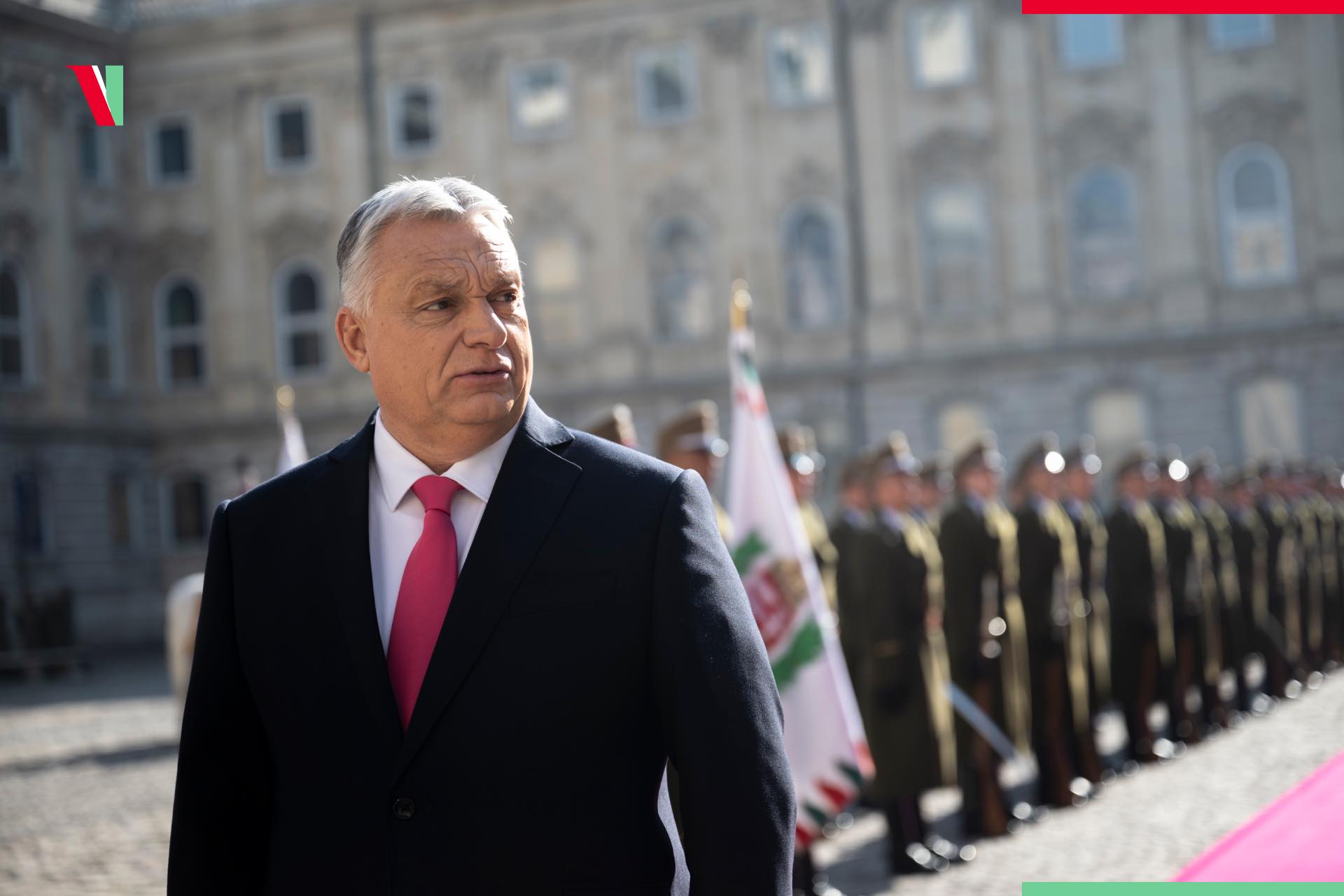
The political tectonic plates of Central Europe have finally shifted. After years of incremental democratic erosion and a seemingly invincible grip on the state apparatus, Viktor Orban’s Fidesz party has faced a seismic electoral defeat that few inside the country thought possible. While the initial reaction on the streets of Budapest is one of visceral relief and stunned disbelief, the reality of this transition is far more complex than a simple victory for the opposition. This was not just a vote against a leader; it was a systemic rejection of a decade-long experiment in "illiberal democracy" that had begun to buckle under the weight of its own economic contradictions and social isolation.
The transition of power now begins in a country where the very foundations of the state—the judiciary, the media, and the electoral laws—were surgically redesigned to ensure one-party dominance. The opposition, a broad and often friction-filled coalition ranging from greens to conservatives, now inherits a hollowed-out bureaucracy and a public treasury strained by pre-election spending sprees. To understand how Orban lost, one must look past the campaign slogans and examine the structural rot that finally gave way.
The Economic Mirage and the Price of Patronage
For years, the Orban government maintained its popularity through a sophisticated blend of nationalistic rhetoric and aggressive price controls on utilities and fuel. This "overhead reduction" policy bought loyalty from the working class and pensioners, but it relied on a steady flow of EU funds that eventually dried up due to rule-of-law disputes with Brussels. When the global inflationary surge hit, the Hungarian forint plummeted, and the government’s ability to subsidize the daily lives of its citizens evaporated.
The myth of the Orban economic miracle was built on a foundation of crony capitalism. State contracts were consistently awarded to a small circle of loyalists, creating a new class of oligarchs who controlled everything from the tourism industry to high-speed internet providers. While this solidified Orban’s power in the short term, it stifled genuine competition and left the Hungarian economy vulnerable to external shocks. Voters who had previously ignored the corruption because their own lives were stable suddenly found themselves choosing between heating and groceries. The social contract was broken.
Dismantling the Propaganda Wall
One of the most significant factors in this electoral shift was the unexpected failure of the state-controlled media machine. Fidesz had spent years consolidating local newspapers, radio stations, and television channels under the umbrella of a single foundation. During the campaign, this machine went into overdrive, painting the opposition as puppets of foreign interests and warmongers.
However, the saturation reached a tipping point. In investigative journalism, we often see that propaganda loses its effectiveness when it becomes too detached from the lived reality of the audience. The constant barrage of fear-mongering failed to resonate with a younger generation that consumes information through encrypted apps and social media platforms that bypassed government filters. The opposition managed to build a grassroots digital infrastructure that outperformed the clunky, top-down messaging of the state.
The Role of the Youth Vote
The demographic shift cannot be overstated. Thousands of young Hungarians who grew up knowing only Orban as their leader turned out in record numbers. They were motivated not by historical grievances, but by a desire for a "normal" European life—one defined by mobility, meritocracy, and a lack of state interference in personal identity. This cohort proved immune to the traditionalist appeals of the Fidesz platform, viewing the government's stance on social issues as an embarrassing relic of the past.
A Judicial and Legislative Minefield
Winning the election was the easy part. The new government now faces a "Deep State" specifically engineered to thwart them. Before the elections, Fidesz moved to place loyalists in long-term positions within independent institutions, including the Constitutional Court, the Media Council, and the Prosecution Service. These officials cannot be easily removed without two-thirds parliamentary majorities, which the new coalition does not possess.
We are looking at a potential period of legislative paralysis. The incoming administration will likely find its budgets challenged and its reforms blocked by a judiciary that remains loyal to the former Prime Minister. This is the "Orban Trap." It is a system designed to ensure that even when Fidesz loses at the ballot box, it wins in the halls of bureaucracy. Navigating this without resorting to the same heavy-handed tactics used by their predecessors will be the ultimate test for the new leadership.
Restoring the Rule of Law
The immediate priority for the coalition is the restoration of judicial independence and the unfreezing of billions in EU recovery funds. Brussels has made it clear that the money stays in the vault until the systemic corruption is addressed. This creates a high-stakes race against time. The new government needs that capital to stabilize the economy and prove to voters that life improves under a democracy. If the funds remain blocked due to institutional sabotage from Fidesz holdovers, the public’s "joy and disbelief" could quickly turn into resentment and a longing for the perceived stability of the old regime.
The Geopolitical Realignment
Orban’s defeat sends shockwaves far beyond the borders of Hungary. For years, Budapest served as the ideological capital of national-populism in the West, a blueprint for leaders in the United States and Europe who sought to challenge the liberal international order. Orban’s cozy relationship with the Kremlin, even in the wake of the invasion of Ukraine, had turned Hungary into a pariah within both NATO and the EU.
The new government has signaled a sharp pivot back toward the European mainstream. This means a firmer stance against Russian influence and a commitment to regional cooperation with Poland, the Czech Republic, and Slovakia. The "Visegrad Four" alliance, which had been fractured by Orban’s pro-Moscow leanings, may see a resurgence as a pro-EU bloc. However, this realignment must be handled delicately. Hungary remains heavily dependent on Russian energy infrastructure, a reality that cannot be changed overnight regardless of who sits in the Prime Minister's office.
The Shadow of the Former Leader
Viktor Orban is not going away. Unlike many defeated leaders who retreat into the shadows, Orban remains the head of a massive, well-funded political organization with deep roots in the countryside. He will likely frame his defeat as a "temporary setback" caused by foreign interference, positioning himself as a leader-in-exile.
The danger for the new coalition lies in the inevitable "buyer’s remorse" that follows revolutionary change. Governing a country with such deep internal divisions requires more than just being "not Orban." It requires a coherent policy platform that addresses the needs of the rural voters who still feel abandoned by the cosmopolitan elite in Budapest. If the coalition spends its first year only on score-settling and symbolic victories, they will provide Orban with the perfect narrative for a comeback.
Rebuilding the Civil Society
The most durable defense against a return to autocracy is not a law or a treaty, but a robust civil society. For years, independent NGOs and community groups were targeted as "foreign agents." The revitalization of these organizations is essential for holding the new government accountable and ensuring that the abuses of the past decade are not repeated. Transparency is the only disinfectant for the deep-seated corruption that has permeated every level of Hungarian administration.
The Fragility of the Moment
The sense of euphoria in the squares of Budapest is genuine, but it is also precarious. The transition from an autocracy to a functioning democracy is never a clean break; it is a messy, grinding process of reclamation. The new government must balance the public’s demand for justice against the practical necessity of stability. If they move too fast, they risk being seen as engaging in a witch hunt; if they move too slow, they risk losing the momentum that brought them to power.
The international community must also play its part. There is a temptation for Western leaders to declare "mission accomplished" and look away. This would be a mistake. Hungary remains a laboratory for democratic resilience, and the success or failure of this new government will determine whether the tide of populism in Europe has truly turned or if this is merely a temporary reprieve.
The hard-hitting truth is that the Orban era ended because it ran out of other people's money and could no longer hide its own failures behind a wall of propaganda. But the infrastructure of that era remains intact. The billboards may change, and the faces on the news may be different, but the work of dismantling a decade of institutional capture has only just begun. The skeptics who say that Orbanism survived Orban might yet be proven right if the new coalition fails to deliver tangible economic relief to the people who took a chance on them.
The celebration is over. The heavy lifting of governance in a broken system is the only thing that remains. Any leader can win an election when the people are angry, but only a statesman can rebuild a nation when the anger fades and the cold reality of a depleted treasury sets in. Hungary has its chance, but the window is closing faster than anyone in the jubilant crowds of Budapest cares to admit. Democracy is not a destination; it is a constant, exhausting defense against the return of the strongman.