The High Cost of the Scenic Route
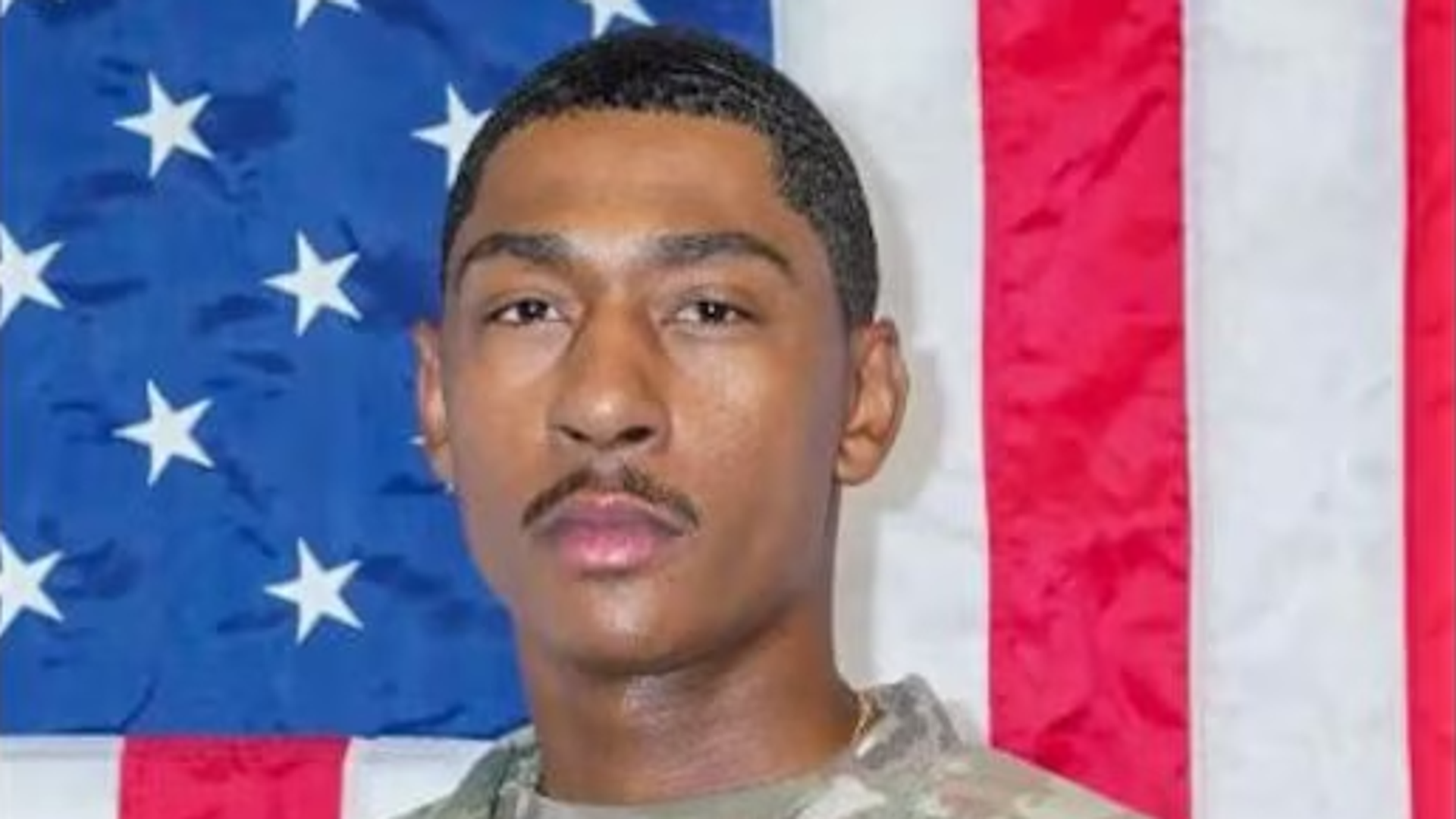
The recent tragedy involving a U.S. soldier in Morocco isn’t just a freak accident. It’s a systemic failure of risk assessment. The headlines focus on the search, the recovery, and the heartbreak. They treat the ocean as a villain and the cliff as a trap. This narrative is comfortable. It’s also wrong.
When a highly trained service member falls from a cliff into the Atlantic, the media creates a story about "unfortunate circumstances." I’ve spent years analyzing operational risk in high-stakes environments, and I can tell you: there are no "unfortunate circumstances" in geography. There is only the gap between perceived safety and physical reality. We have sanitized the wilderness to the point where even professionals forget that gravity doesn't care about your training.
The Myth of the Controlled Environment
The competitor reports fixate on the "remains found" aspect. They want to provide closure. But closure is a secondary concern. The primary concern is why a soldier was in a position to fall in the first place.
We live in an era of "Military Adventure Tourism." Service members are encouraged to explore, to hike, and to engage with foreign landscapes during downtime. But there is a dangerous psychological bleed-over. Because soldiers are trained to handle chaos, they often overestimate their margin for error in non-tactical environments.
Why Training Fails on the Edge
- False Confidence: Tactical proficiency does not equal geological literacy.
- The "Invincibility" Bias: When you’ve survived combat zones, a coastal hike feels like a walk in the park. It isn't.
- Equipment Gap: You wouldn't go into a live-fire exercise without a kit. Why are people walking crumbling shale cliffs in sneakers?
The logic used by mainstream news outlets suggests that this was a random act of nature. That is a lie. Nature is predictable. Coastal erosion in North Africa is a documented, aggressive process. If you stand on an undercut ledge, the ledge will eventually fail. The "consensus" view treats this as a mystery. The insider view treats it as a math problem where someone forgot to carry the one.
The Search and Recovery Industrial Complex
We spend millions on recovery operations after the fact. We deploy drones, divers, and international coordination teams. It’s a noble effort, but it’s a massive expenditure of resources to solve a problem that should have been avoided at the trailhead.
The Morocco incident highlights a broader trend: the U.S. military’s struggle to manage "Off-Duty Risk." We have manuals for everything from handling explosives to filing taxes, yet the guidance for "don't stand on the edge of a 100-foot drop" is shockingly thin.
The Data They Aren't Showing You
If you look at non-combat fatalities in the military, the numbers are jarring. We lose more people to preventable accidents—car crashes, drownings, falls—than to enemy fire in many theaters. Yet, we don't talk about it because it doesn't fit the hero narrative.
Imagine a scenario where every soldier is briefed on the specific geological hazards of their leave destination with the same intensity as a mission brief. The death rate would plummet. But we don't do that. We treat leave as a "safe zone" where the rules of physics are somehow suspended.
Dismantling the "Freak Accident" Narrative
"He fell."
"The waves took him."
These phrases strip away agency. They suggest the individual was a passive participant in their own demise. To truly honor the fallen, we have to be brutally honest: mistakes were made.
Coastal cliffs are dynamic structures. In Morocco, the limestone and sandstone compositions are notoriously unstable. When you add the variable of high-velocity Atlantic winds, the "scenic overlook" becomes a kill zone.
People ask: "How could this happen to a soldier?"
The honest answer: "Because he was treated like a tourist."
Stop Sanitizing the Wilderness
The travel industry and military PR machines have a vested interest in making the world seem accessible and safe. They want you to believe that every cliff has a guardrail and every trail is vetted.
They are wrong.
The world is indifferent to your rank, your service, and your intentions. If you want to stop reading these headlines, stop accepting the "unforeseen tragedy" excuse.
The Actionable Reality
- Acknowledge the Gap: Your military training makes you better at many things. It does not make you immune to a landslide.
- Scout the Geology: If the ground beneath you sounds hollow or looks cracked, it is ready to go.
- Respect the "No-Go" Zones: Rules in foreign countries aren't just suggestions for the locals. They are often written in the blood of the people who ignored them.
The downside of this stance is that it sounds cold. It sounds like I'm blaming the victim. I’m not. I’m blaming the culture of complacency that tells us we can conquer nature just because we’ve conquered a physical fitness test.
The search for the soldier in Morocco ended in the ocean. The search for a better way to prevent these deaths needs to start in the briefing room. We don't need more "thoughts and prayers." We need better risk management and a total abandonment of the idea that the wilderness is a playground.
The cliff didn't kill him. The illusion of safety did.
Physics is the only commanding officer that never gives a second chance. Respect the rank.