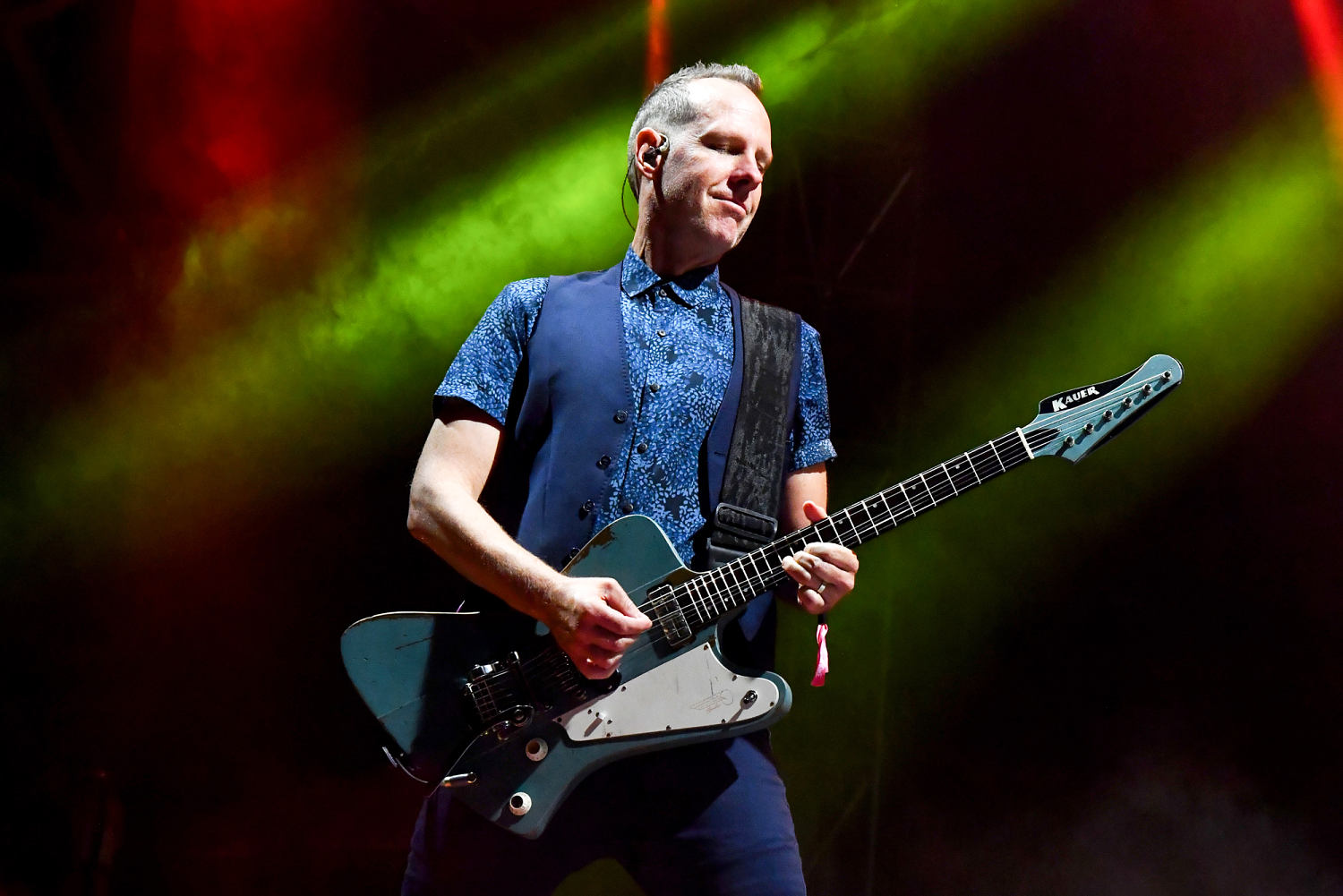
The traditional rock and roll tour is dying, or at least it’s getting a massive, expensive facelift. For decades, the formula was simple. You release an album, cram a crew into a bus, and spend six months waking up in a different parking lot every morning. But if you've looked at a concert calendar lately, you'll notice something's shifted. Big names aren't just passing through anymore. They're moving in.
From Jade Bird and CMAT to heavy hitters like Wolf Alice, the conversation in the green room has changed from "Where are we tomorrow?" to "How do we make this sustainable?" The old-school tour model is broken. It’s a logistical nightmare that eats profits and destroys mental health. That’s why the residency—once the graveyard of the "washed-up" Vegas act—has become the smartest move a modern artist can make. Discover more on a connected subject: this related article.
The Brutal Math of the Open Road
Let's talk about the money because that’s where the romanticism of the road hits a brick wall. Most fans don't realize that a mid-sized tour is a hovering financial disaster. You're paying for fuel, which fluctuates wildly. You're paying for hotels, specialized insurance, and a crew that needs to eat. Then there's the cut. The venue takes a piece of the door. The merch seller takes a massive cut of every t-shirt. By the time the artist gets home, they might actually be in the red.
Wolf Alice has been vocal about the sheer physical and financial exhaustion of the circuit. It isn’t just about being tired. It’s about the fact that if a van breaks down in the middle of a three-week stint, the entire profit margin for the month vanishes. Further analysis by E! News explores comparable perspectives on the subject.
Residencies flip the script. Instead of the artist traveling to the fans, the fans travel to the artist. When a band stays in one city for four or five nights, the overhead drops off a cliff. No daily load-ins. No daily load-outs. You set the stage once. You check the sound once. You live in a real bed. Suddenly, the "starving artist" trope starts to look like a choice rather than a necessity.
CMAT and the Power of Local Connection
Irish singer-songwriter CMAT is a perfect example of someone who understands the "fan-first" logic of staying put. Touring is a blur. You arrive at 2:00 PM, play at 9:00 PM, and you’re gone by midnight. You don't know the city. You don't know the people.
When an artist plants roots for a week in a city like London, Manchester, or Dublin, the energy changes. It becomes an event. It’s not just "a gig." It’s a takeover. Fans who missed out on night one can grab tickets for night three. The artist can actually interact with the local scene. It builds a level of loyalty that a 45-minute festival set just can’t touch.
Jade Bird has touched on this shift too. The pressure to be "everywhere at once" is a relic of a pre-internet age. In 2026, you don't need to play every tiny town to be relevant. You need to create an experience that people are willing to travel for. That’s the "Eras" effect trickling down to the indie level. If the show is good enough, the audience will find a way to get there.
Why the Vegas Stigma is Finally Dead
It used to be that a residency meant you were retired. You went to Las Vegas to play your hits to tourists who were half-asleep or drunk on free gin. That’s over. Adele, Usher, and U2 at the Sphere changed the prestige.
Now, younger artists see the residency as a creative playground. When you aren't moving the stage every 24 hours, you can actually build something cool. You can have elaborate lighting. You can have guest performers who live nearby. You can change the setlist every night because the band isn't too exhausted to remember the chords to a B-side.
The Mental Health Factor
We can't ignore the human cost of the road. We’ve seen a massive wave of tour cancellations over the last couple of years due to "burnout" or "mental health struggles." That’s code for "I can't live out of a suitcase anymore without losing my mind."
- Sleep consistency: Staying in one place regulates circadian rhythms.
- Routine: Being able to find a grocery store or a gym makes you feel like a human, not a prop.
- Voice preservation: Constant travel, changing altitudes, and dry bus air are literal throat killers.
Artists like Wolf Alice have survived by being smart about how they pace themselves. The industry is finally realizing that a broken artist can't make music. If a residency keeps a songwriter's head on straight, the art gets better.
The Fan Perspective Is It a Rip-off?
The biggest argument against the residency model is that it’s "unfair" to fans in smaller cities. If you live in a town that isn't a major hub, you're basically being told you don't matter. It’s a valid gripe. Traveling to a major city requires a hotel, a train ticket, and time off work. It turns a $40 concert into a $400 weekend.
But here’s the cold truth: the alternative is often no show at all.
Many artists simply cannot afford to visit tier-two or tier-three cities anymore. The costs are too high and the ticket prices would have to be astronomical to cover the gas. By doing a residency in a central hub, the artist ensures the show actually happens. It’s a compromise. You might have to travel, but when you get there, you’re getting a rested performer and a high-production show instead of a sweaty, tired band playing a stripped-back set because their gear didn't fit in the smaller van.
The Environmental Elephant in the Room
We also have to look at the carbon footprint. Moving three semi-trucks and two tour buses across Europe or North America is an ecological disaster. As the music industry faces more pressure to go green, the residency looks like the only ethical path forward.
One venue. One setup. Minimal transport.
Bands like Coldplay have tried to make touring "green," but the most sustainable thing you can do is just stop moving. It’s a hard pill for some to swallow, but the era of the 50-city blitz is increasingly at odds with a world trying to lower emissions.
How to Adapt as a Music Fan
The world of live music is changing, and fighting it won't bring back the $15 club show in your hometown. If you want to keep seeing the artists you love, you have to change how you consume live sets.
Start looking at "anchor dates." Instead of waiting for a band to come to you, pick a city you’ve always wanted to visit and see if your favorite artist is doing a multi-night stint there. Join the mailing lists early. Residencies often sell out faster because the total capacity is lower than a massive stadium tour.
Don't just buy a ticket; look for the "residency experience." Often, these multi-night stands include pop-up shops, local gallery tie-ins, or after-parties that you won't get on a standard tour. It’s about the community, not just the chords. If the industry is going to survive the next decade, this is what it looks like. It’s stationary, it’s focused, and honestly, it’s probably a lot better for the music.