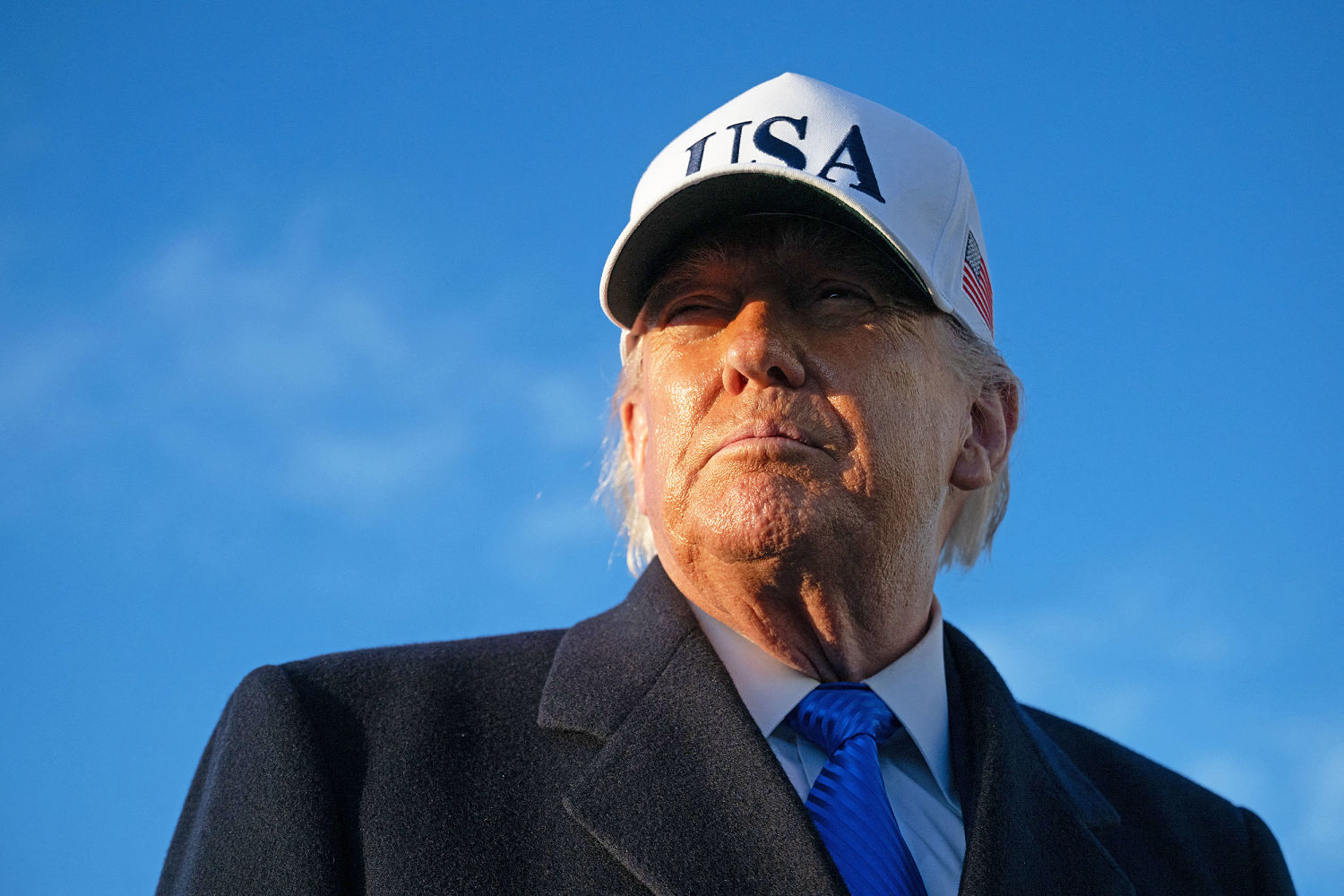
Election season just got a lot more complicated. President Trump just signed an executive order that effectively attempts to put the federal government in the driver's seat of voter eligibility. If you’ve been following the headlines, you know the broad strokes: the administration wants a "State Citizenship List" to verify who is actually allowed to cast a ballot. But there's a lot more under the hood than just a simple list of names. This move targets the very plumbing of American elections—specifically how the U.S. Postal Service (USPS) handles your mail-in ballot.
The order directs Secretary of Homeland Security Markwayne Mullin and the Social Security Administration to build a database of every confirmed U.S. citizen over 18 in every state. It sounds straightforward on paper, but it’s a massive shift in how we’ve done things for over two centuries. Traditionally, states have total control over their voter rolls. By creating a federal "gold standard" list, the administration is essentially telling states their own records aren't good enough.
Why the Post Office is the Real Target
While everyone is arguing about the citizenship database, the most immediate impact might actually happen at your local post office. The executive order isn't just about collecting data; it’s about control over distribution. It orders the Postmaster General to change the rules so that mail-in ballots are only sent to people on a specific, federally approved "Participation List."
Think about that for a second. If you’re not on the federal list, the USPS might be restricted from even delivering your ballot. This puts a massive amount of pressure on the "Official Election Mail" system. The order also mandates unique Intelligent Mail barcodes for every single ballot envelope. The goal is tracking, but the side effect is a much narrower gate for who gets to vote by mail.
The Funding Threat Hanging Over States
Money talks. We’ve seen this play before, and the administration is using it again. The order directs Attorney General Pam Bondi to look into withholding federal funds from states and localities that don't comply. This isn't just a suggestion; it's a financial ultimatum.
If a state refuses to use the federal citizenship list or won't hand over its own data, it risks losing millions in federal support. We're already seeing the fallout. Attorney General Bondi has already filed suits against top election officials in states like California, Michigan, and Pennsylvania. They're being accused of violating federal law by not turning over their voter registration rolls.
The Clash with the Constitution
You don't have to be a legal scholar to see the brewing storm here. The U.S. Constitution, specifically Article I, Section 4, gives states the primary authority to run elections. Critics, including Democratic election lawyer Marc Elias and Arizona Secretary of State Adrian Fontes, are already preparing for a fight. They argue the president doesn't have the authority to override state election laws via executive order.
There’s also a timing problem. Federal law says states can’t cut off voter registration more than 30 days before an election. However, this new executive order wants the federal citizenship lists finalized 60 days out. That 30-day gap is a massive legal gray area that could lead to thousands of voters being stuck in limbo—verified by the state but not by the feds.
What This Means for Your Privacy
Here is the part that isn't getting enough traction: what happens to this data once it's collected? Reports suggest the Department of Justice and DHS are working on an agreement to use this voter data for immigration and criminal investigations.
When you register to vote, you're usually giving that info to your local county clerk. Now, that same information could be fed into a federal loop used for entirely different purposes. For many, that's a bridge too far. It turns a civic duty into a data-sharing goldmine for federal agencies.
How to Protect Your Vote
Don't wait for the courts to settle this. If you want to make sure your voice is heard in the 2026 midterms, you need to be proactive.
- Check your registration now. Don't assume you're "good to go" just because you voted in 2024. Use your state’s official portal to verify your status today.
- Update your ID. If the federal government is moving toward a citizenship-verified list, having an up-to-date REAL ID or passport linked to your records is your best defense against being flagged.
- Watch the mail rules. If your state changes how it handles mail-in ballots because of this order, you might need to request your ballot earlier than usual.
The legal battles will likely drag on for months, but the rules on the ground are changing fast. If you're planning to vote by mail, the time to double-check your status is today, not the week before the election.