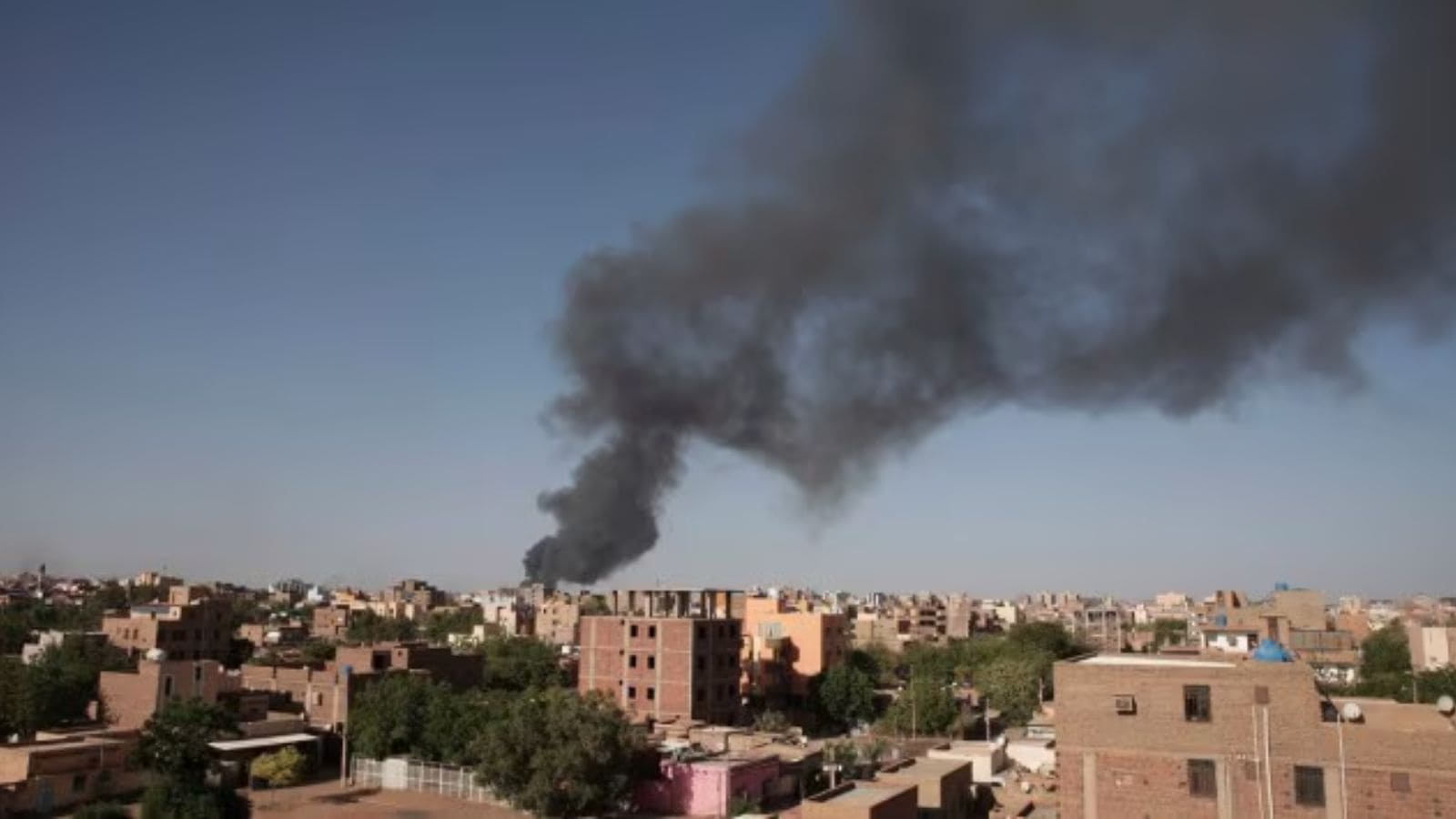
The death of 169 civilians in a single village raid in South Sudan is not a statistical anomaly or a spontaneous outburst of "tribal" friction; it is the logical output of a disintegrated security architecture and a collapsed local social contract. When the state loses its monopoly on the legitimate use of force, violence becomes the primary currency for resource allocation and political signaling. This massacre represents a failure of the 2018 Revitalized Peace Agreement (R-ARCSS) to penetrate the periphery, where the incentives for violence currently outweigh the benefits of bureaucratic cooperation.
Analyzing this event requires moving beyond the surface-level reporting of casualties to understand the three systemic drivers of subnational escalation: the weaponization of cattle economics, the failure of unified command structures, and the vacuum of local judicial accountability.
The Economic Engine of Intercommunal Attrition
While external observers often frame these raids as "cattle rustling," this term trivializes a sophisticated economic warfare strategy. Cattle in South Sudan function as a store of value, a medium of exchange, and a prerequisite for social mobility (specifically marriage and lineage).
The Inflationary Pressure of Bride Price
A critical, often overlooked variable in the frequency of raids is the hyperinflation of bride prices. As the number of cattle required for marriage increases, young men in marginalized rural areas face a "biological and social lockout." Without the means to acquire cattle through traditional trade or inheritance in a stagnant economy, the raid becomes the only viable path to social adulthood. This creates a recurring cycle where economic scarcity triggers predatory expansion.
The Conversion of Pastoralism to Paramilitary Activity
The raids are no longer conducted with traditional spears and shields but with automatic weapons and tactical coordination that mirrors formal infantry units. This professionalization of raiding is a direct byproduct of decades of civil war, which flooded the domestic market with small arms. The "raider" is now a paramilitary actor operating in a grey zone between civilian and soldier, often enjoying the tacit or explicit support of local political elites who see these groups as a proxy for regional influence.
Structural Faults in the National Security Architecture
The scale of the 169-fatality event indicates a total absence of deterrence. To understand why the South Sudanese military (SSPDF) and the integrated forces failed to intervene, we must examine the friction points within the Transitional Security Arrangements.
- The Command and Control Vacuum: The process of unifying former opposition and government forces into a single national army has been plagued by logistical delays and mistrust. In remote areas, units often lack clear orders, functional communications equipment, or the fuel necessary to deploy rapid-response teams. This creates "Security Deserts" where insurgents can operate for hours or days without risk of state intervention.
- Resource Maldistribution: Military spending is heavily concentrated in Juba and major provincial capitals. The "Remote Area Paradox" dictates that the locations most vulnerable to insurgent activity are the least likely to receive the infrastructure investment required to secure them. Roads are often impassable, rendering the state's theoretical force projection capabilities irrelevant during the rainy season or in deep bush terrain.
- The Neutrality Gap: Local military units are often recruited from the same ethnic groups they are meant to police. When a raid occurs, soldiers face a conflict of interest between their constitutional duty and their communal identity. If a commander perceives that intervening against a raiding party will disadvantage his own kin, the result is "strategic inertia"—a deliberate refusal to act until the event has concluded.
The Judicial Void and the Feedback Loop of Revenge
In the absence of a functioning formal court system in remote regions, the "Eye for an Eye" doctrine becomes the default regulatory mechanism. The 169 deaths will almost certainly trigger a retaliatory strike of similar or greater magnitude because there is no credible third party to mediate the dispute or punish the perpetrators.
The Erosion of Traditional Authority
Historically, council elders and chiefs moderated intercommunal tensions. However, the militarization of youth has stripped these leaders of their influence. A 20-year-old with an AK-47 is less likely to respect the decree of an elder who cannot provide security or wealth. This breakdown in the internal hierarchy of rural communities means that even if political leaders in Juba sign peace treaties, the "Tactical Level" actors—the raiders themselves—are not bound by those agreements.
Impunity as a Strategic Incentive
The lack of a centralized registry for crimes and the inability of the South Sudan National Police Service to conduct forensic investigations ensure that participants in these raids face zero legal consequences. When violence is cost-free from a legal standpoint and high-yield from an economic standpoint, the "Rational Actor" model predicts an increase in the frequency and brutality of attacks. The 169 victims are not just casualties of a raid; they are the price paid for a system that has decoupled action from accountability.
Quantifying the Human and Geopolitical Cost
The impact of this massacre extends beyond the immediate loss of life. It creates a "Cascade Effect" that destabilizes the broader Horn of Africa.
- Internal Displacement and Resource Strain: The survivors of the raid will flee to urban centers or UN Protection of Civilians (PoC) sites. This sudden influx of IDPs (Internally Displaced Persons) creates a "Resource Bottleneck," where food, water, and medical supplies are diverted from long-term development to emergency survival.
- Agricultural Disruption: When a village is raided, the agricultural cycle is broken. Fields are abandoned, and the "Dependency Ratio" on international food aid increases. This turns a localized security failure into a long-term humanitarian crisis that requires millions in external funding to manage.
- Regional Proliferation: Conflict in South Sudan does not respect borders. The demand for weapons to defend against or conduct these raids fuels the illicit arms trade across the borders of Sudan, Ethiopia, and Kenya, strengthening transnational criminal networks.
The Strategic Path Forward
To prevent the recurrence of mass-fatality raids, the focus must shift from "Reconciliation Rhetoric" to "Operational Hardening."
The first priority is the establishment of a Mobile Judicial Circuit. Sending judges and prosecutors into remote areas under military escort to conduct immediate, public trials for those captured during or after raids is the only way to reintroduce the concept of consequence. Security is not just the presence of soldiers; it is the presence of the law.
The second priority is the Deployment of Technological Oversight. Given the vastness of the terrain, physical patrols are insufficient. The South Sudanese government and its international partners must leverage satellite monitoring and drone surveillance to identify large movements of armed groups before they reach their targets. This "Early Warning System" must be coupled with a decentralization of the "Quick Reaction Force" (QRF). Small, highly mobile units equipped with motorcycles or light all-terrain vehicles must be stationed in known "Conflict Corridors" rather than being bottled up in regional hubs.
The final strategic move involves Economic De-escalation. The government must incentivize the formalization of the cattle trade. By creating centralized, secure markets and banking systems where cattle can be converted into digital or fiat currency, the state can reduce the physical vulnerability of a community's wealth. If wealth is no longer a mobile, stealable asset, the primary incentive for the raid disappears.
The massacre of 169 people is the terminal symptom of a state that is failing to provide the most basic service: the preservation of life. Until the cost-benefit analysis of the individual raider is fundamentally altered through a combination of hard-power deterrence and economic modernization, the periphery will continue to burn, regardless of what is signed in the capital.


