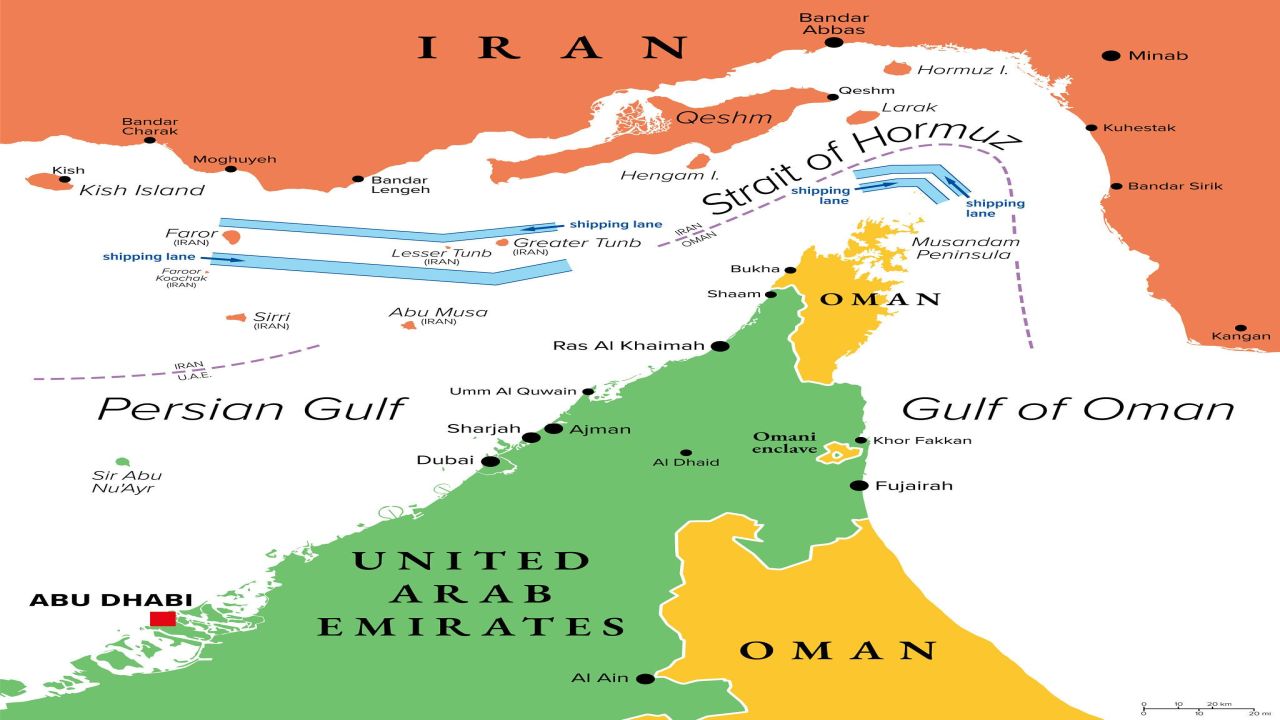
Markets hate uncertainty. It’s the oldest rule in the book. Right now, bond investors are feeling that reality in their bones as Treasury yields climb because Middle East peace talks are hitting a wall. When the hope of a ceasefire or a diplomatic breakthrough vanishes, the financial ripple effect doesn't just stay in the oil pits. It spills directly into the U.S. government debt market, and that’s exactly what we’re seeing today.
If you’re watching the 10-year Treasury note, you’ve noticed the move. Yields are up because the "safety bid" is shifting. Usually, when things go south globally, people run to bonds, which pushes prices up and yields down. But we’re in a weirder cycle now. Persistent conflict means higher energy costs. Higher energy costs mean stickier inflation. And stickier inflation means the Federal Reserve won't be rushing to cut interest rates anytime soon. That’s why yields are moving higher even as the world feels less safe.
The Breakdown of Diplomacy and the Bond Market Reaction
The failure of recent diplomatic efforts in the Middle East has removed a significant "optimism premium" from the market. For weeks, traders held onto the hope that a de-escalation was around the corner. When those talks falter, that hope gets priced out immediately. We aren't just talking about a local conflict anymore; we're talking about the stability of global trade routes and the cost of moving goods across the planet.
Investors are selling off Treasuries because they’re bracing for a longer-term inflationary environment. If the conflict broadens, oil prices don't just "spike"—they settle at a higher floor. You can’t have a cooling economy when fuel costs are rising. The bond market is effectively saying it doesn't believe the "transitory" or "soft landing" narrative if regional instability remains this high.
It’s a brutal cycle for fixed-income investors. You’d think a war would make bonds more attractive. Sometimes it does. But when the war threatens the very thing the Fed is trying to fight—inflation—the traditional safe-haven trade gets flipped on its head.
Why the 10 Year Yield is the Only Number That Matters Right Now
The benchmark 10-year Treasury yield is the North Star for everything from your mortgage rate to how tech stocks are valued. When this yield climbs because of failed peace talks, it’s a signal that the market expects "higher for longer" to be the law of the land.
- Mortgage Rates: These track the 10-year yield closely. If you’re looking to buy a home, these geopolitical headlines are your worst enemy.
- Corporate Debt: Companies looking to refinance their "cheap" debt from five years ago are looking at a much steeper bill.
- Equity Valuations: High yields make future earnings for growth stocks look less attractive. It’s why the Nasdaq often bleeds when yields jump.
I’ve seen this play out before. In late 2023, we saw similar volatility. The moment the market realizes peace isn't coming today, tomorrow, or next week, it resets its expectations for the Fed. We’re seeing a repricing of risk in real-time. The 10-year isn't just a bond; it's a barometer for global anxiety and its cost.
Inflation Expectations Are Getting a Second Wind
Let’s talk about the elephant in the room. The Federal Reserve wants inflation at 2%. They’ve been aggressive. They’ve been loud about it. But the Fed can't control the price of Brent Crude if a major supply artery gets squeezed.
When peace talks falter, the "inflation breakeven" rates—which represent what the market thinks inflation will look like in the future—start to creep up. If the market thinks inflation will stay at 3% or 4% because of energy costs, they won't buy a bond yielding 4%. They’ll demand more. They’ll demand 4.5% or 5%. That demand for higher returns is what drives the yield up and the price of existing bonds down.
It’s a massive headache for Jerome Powell. He’s trying to manage a domestic economy, but he’s being pushed around by geopolitical events he can’t influence. If you’re waiting for a rate cut, you might be waiting a lot longer than the "experts" on TV suggested back in January.
The Safe Haven Myth Is Changing
We’ve been taught for decades that Treasuries are the ultimate "risk-off" asset. In 2026, that relationship is getting complicated. We’re seeing a "bifurcation" of risk.
Gold is doing one thing. The Dollar is doing another. And Treasuries are doing something else entirely. In a standard crisis, you’d see all three go up in value (meaning yields go down). But because this specific crisis—the stalling of Middle East peace—is so tied to the cost of living and energy, the "safety" of the Treasury is offset by the "risk" of falling purchasing power.
Basically, investors are choosing cash or commodities over long-term debt. They’d rather hold something tangible or liquid than lock themselves into a 10-year or 30-year bond that might get eaten alive by a new wave of inflation. This isn't a theory; you can see it in the flows.
How to Position Your Portfolio When Talks Stall
Stop waiting for a "return to normal." This is the new normal. Geopolitics is now a primary driver of the bond market, perhaps even more so than domestic jobs data in the short term. If peace talks continue to hit dead ends, you need to be prepared for yield volatility to stay high.
- Shorten Your Duration: If yields are going up, long-term bonds are going to hurt. Keeping your bond exposure to shorter-term maturities (1-3 years) helps protect your principal while still capturing those higher rates.
- Look at TIPS: Treasury Inflation-Protected Securities are designed for exactly this scenario. If peace talks fail and energy prices jump, TIPS adjust their principal to keep up with inflation.
- Don't Fight the Fed: The Fed won't cut rates into a geopolitical firestorm that threatens to reignite inflation. Adjust your expectations for any "pivot." It’s likely delayed.
- Watch the Dollar: Usually, as yields rise, the U.S. Dollar gets stronger. This can be a double-edged sword for international stocks.
The situation is fluid, but the trend is clear. The "peace dividend" we enjoyed for years is being clawed back. Markets are recalibrating for a world where conflict is persistent and expensive. Keep your eye on the headlines, but keep your hand on the 10-year yield chart. It’ll tell you the truth long before the official statements do.
Move your money into liquid, short-term vehicles if you can't stomach the swings. The bond market is no longer the "boring" part of your portfolio—it’s the front line. Pay attention to the spread between the 2-year and the 10-year notes, as further inversion or a sudden "un-inversion" will signal exactly how much pain the market expects in the coming months. Stick to the data and ignore the noise.