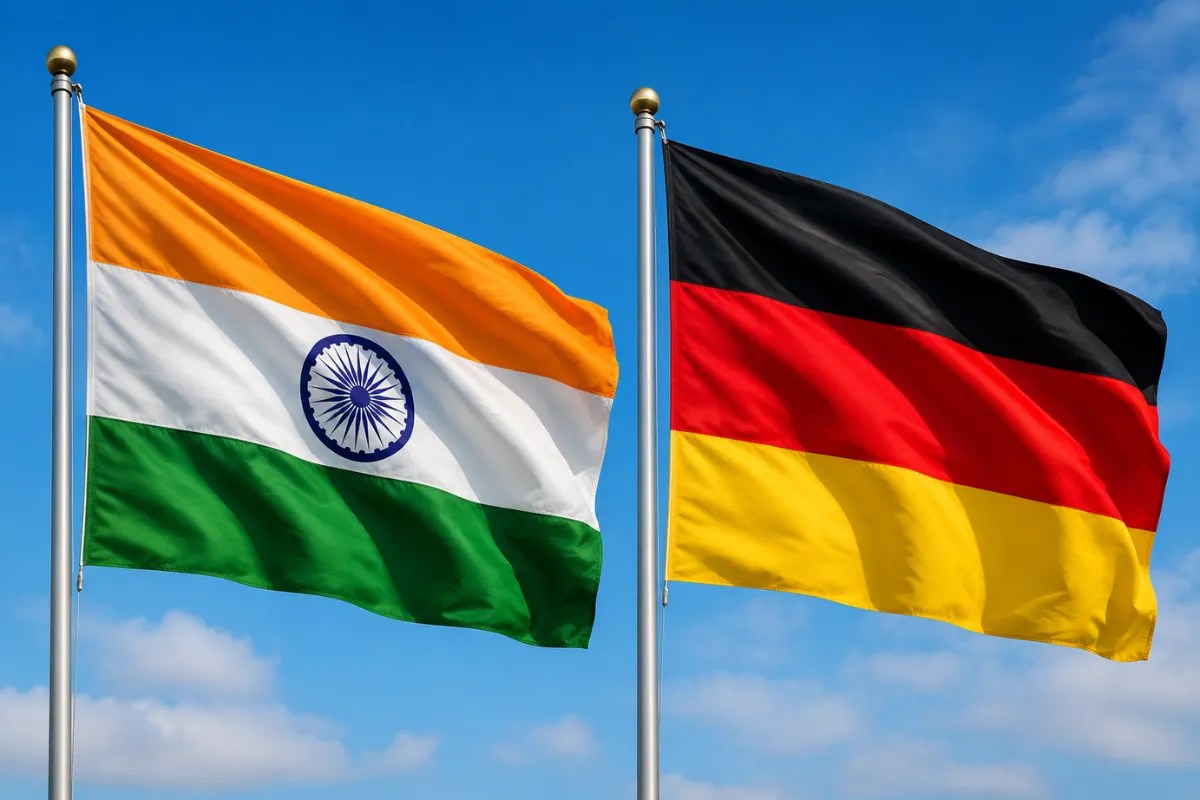
Germany just did something rare at the United Nations. It didn't just give a polite nod to international cooperation. It stood up and pointed at India as the blueprint for how migration should actually work. While most headlines focus on the friction caused by global movement, German representatives recently highlighted that the Indian diaspora has become the most preferred group under modern migration policies.
This isn't just about numbers. It's about a fundamental shift in how Western powers view Indian migrants. They aren't looking at them as a burden. They see them as a solution. When Germany calls the Indian community "ideal," they're sending a message to the rest of the world about what successful integration looks like.
The UN Statement That Changed the Narrative
During recent sessions at the UN, Germany’s stance was clear. They’ve recognized India as the top country of choice under their migration strategies. Why? Because the data doesn't lie. Indian migrants tend to have higher education levels, they fill critical gaps in the labor market, and they integrate without losing their cultural identity.
Germany is currently facing a massive labor shortage. Their population is aging. They need young, skilled professionals to keep their economy from stalling. By labeling the Indian diaspora as a model community, they're basically saying that India’s "Migration and Mobility Partnership" is the gold standard. It's a deal that works for both sides. India gets global exposure and remittances, while Germany gets the brainpower it desperately needs.
The numbers tell a compelling story. In recent years, the number of Indian students and professionals in Germany has surged. This isn't an accident. It's the result of deliberate policy changes designed to make Germany more attractive to Indians. They're cutting through the red tape because they've realized that an Indian engineer or doctor is a massive win for their social security system.
Breaking Down the Ideal Migrant Tag
What makes a migrant "ideal" in the eyes of a European powerhouse? It’s a mix of economic contribution and social harmony. Honestly, most countries are tired of migration debates that center on crime or social friction. The Indian diaspora avoids these pitfalls almost entirely.
First, there’s the economic impact. Indians in Germany aren't just taking jobs; they're often creating them. Whether it's in tech startups in Berlin or heavy engineering in Munich, the footprint is huge. They pay taxes. They don't rely heavily on the welfare state. For a country like Germany, which is obsessed with fiscal stability, this is music to their ears.
Then there’s the cultural aspect. Germany pointed out at the UN that Indians manage a "perfect balance." They stay connected to their roots—you’ll see Diwali celebrated in Frankfurt just as vibrantly as in Delhi—but they also learn the German language and respect local laws. This dual identity is exactly what modern migration policies aim for. It's not about forced assimilation. It’s about contribution.
Why Other Countries Are Jealous of This Partnership
It’s not just Germany. If you look at the UK, the US, or Australia, the story is the same. But Germany’s vocal support at the UN level is a significant diplomatic win for India. It validates the "Vishwa Bandhu" (friend of the world) approach that Indian foreign policy has been pushing.
Other developing nations are trying to figure out how India does it. The secret isn't just in the people; it's in the preparation. India has invested heavily in technical education that translates well across borders. When a student graduates from an IIT or a top-tier nursing college, they’re ready for a global stage. Germany isn't just picking people; they're picking a finished product.
The Skills Gap and the German Hunger
Let's talk about the German "Fachkräftemangel"—the shortage of skilled workers. They need about 400,000 new workers every year to stay competitive. That’s a staggering number. They've realized that looking within the EU isn't enough anymore.
- Tech and IT: Indian developers are the backbone of many German digital transformations.
- Healthcare: There’s a massive push to bring in Indian nurses and doctors.
- Research: German universities are becoming a second home for Indian PhD scholars.
By praising India at the UN, Germany is essentially running a high-level recruitment campaign. They want the best, and they know the best are currently in India.
Moving Beyond the Brain Drain Myth
For a long time, people complained about "brain drain." The idea was that India was losing its best talent to the West. But the current perspective is different. It’s now seen as "brain gain" or "brain circulation."
These migrants aren't leaving forever. They're building bridges. They send back billions in remittances—India is the top recipient globally. They also bring back expertise, investment, and a global mindset if they decide to return. Germany’s recognition of this cycle shows that migration doesn't have to be a zero-sum game. Everyone can win.
The Reality of Integration Challenges
Is it all perfect? No. Germany is still a tough place to move to. The language barrier is real. German bureaucracy can be a nightmare even for the smartest people. But the fact that Germany is willing to stand up at the UN and call Indians "model migrants" suggests they are willing to fix these hurdles.
They’re working on fast-tracking visas and recognizing Indian degrees more easily. They’ve realized that if they make it too hard, that talent will just go to Canada or the UAE. Competition for Indian talent is at an all-time high.
What This Means for You
If you're a professional or a student in India, the world has never been more open. The statement in the UN isn't just political fluff. It’s a signal of where the opportunities are.
If you're looking at Germany, stop thinking of it as a closed-off society. They are actively inviting you. The focus has shifted from "can we let them in?" to "how can we make them stay?" That’s a massive power shift.
To capitalize on this, you need to focus on two things: skill up and bridge the culture gap. Learn the language. Even a basic B1 level in German opens doors that remain shut for English-only speakers. Understand the work culture—punctuality and directness aren't just stereotypes there; they’re requirements.
The "ideal" tag is a badge of honor, but it's also a standard to maintain. As more countries look to India to solve their demographic crises, the value of the Indian passport and the Indian professional continues to skyrocket. Check the latest visa regulations under the new Skilled Immigration Act in Germany. The path is being cleared. It’s your move.

