The sea does not care about politics. It only cares about weight, displacement, and the steady thrum of an engine pushing through salt spray. But for the men standing on the bridge of a rusted Aframax tanker in the middle of the night, the water is the least of their worries. They are watching the radar, not for rocks or reefs, but for the digital ghosts of other ships. They are sailing under "dark" conditions—transponders killed, names painted over, flags of convenience flying from the mast like a desperate lie.
This is the front line of a silent, global friction. It is a world of shell companies, forged documents, and the high-stakes pursuit of Iranian oil. Recently, the United States Department of Justice sent a shockwave through these murky waters. The message was stripped of all diplomatic niceties: if you touch this oil, we will find you, and we will prosecute you with every ounce of vigor the law allows. Meanwhile, you can find other events here: Paraguay New Residency Play and the End of the Easy South American Escape.
It sounds like a headline. In reality, it is a tightening noose.
The Anatomy of a Shadow
To understand why the U.S. is suddenly sharpening its legal blades, you have to look at how a single barrel of sanctioned crude actually moves. It isn't a straight line. It is a shell game played across three continents. To explore the bigger picture, check out the detailed article by Bloomberg.
Consider a hypothetical broker—let’s call him Elias. Elias sits in a glass-walled office in a city that prides itself on being "neutral." He doesn't see the oil. He sees spreadsheets. His job is to mask the origin of a shipment so that a refinery in a distant port can buy it without triggering a red flag in a compliance office in New York.
Elias uses "ship-to-ship" transfers. Two tankers meet in the open ocean, far from the prying eyes of port authorities. They tether together, hoses snaking between them like umbilical cords, transferring millions of dollars of black gold while the GPS coordinates on their tracking systems claim they are hundreds of miles apart. This is the "Ghost Fleet." It is a multi-billion-dollar industry built on the bet that the world is too big to police.
The U.S. government just raised the stakes on that bet. They aren't just looking for the ships anymore; they are looking for the Eliases of the world. They are looking for the banks that processed the wire transfers, the insurance companies that provided the coverage, and the captains who turned off the transponders.
The Weight of the Law
The shift in tone from Washington isn't just about foreign policy. It is about the integrity of the global financial system. When oil moves in the shadows, it creates a parallel economy. This economy funds things that keep intelligence officers awake at night—militias, drone programs, and clandestine operations that bypass the traditional checks and balances of international statecraft.
The Department of Justice is no longer content with simple fines. Fines are just a cost of doing business for a billionaire oil trader. They are moving toward "vigorous prosecution." That means handcuffs. It means seizing the vessels themselves.
In recent months, we have seen the U.S. successfully divert tankers and offload their cargo into American storage facilities. Imagine being the owner of a $50 million ship and watching it disappear into the legal machinery of a superpower because you thought you could hide behind a Panamanian shell company. The risk-reward ratio has shifted overnight.
The Human Toll of a Hidden Trade
We often talk about sanctions as if they are abstract levers pulled by silver-haired men in Washington or Tehran. They aren't. They are felt in the engine rooms.
The ships used in the shadow trade are rarely the crown jewels of a fleet. They are often aging, poorly maintained vessels that have been sold and resold through a chain of anonymous buyers. The crews on these ships are frequently from developing nations, working for wages that reflect the danger of their "dark" voyages. If a ship-to-ship transfer goes wrong in the middle of a gale, there is no Coast Guard coming to help. To call for help is to reveal your position. To reveal your position is to end the mission.
There is a visceral, oily fear that comes with this work. A captain knows that if he is caught, his career is over. He becomes a pariah, blacklisted from every legitimate port in the world. He is a ghost sailing a ghost ship, carrying cargo that technically doesn't exist, toward a destination that will deny he was ever there.
The Digital Net
How do you catch a ghost? You stop looking at the horizon and start looking at the data.
The U.S. has integrated satellite imagery, synthetic aperture radar, and deep-dive financial forensics to track these movements. They can see the "wake" of a ship even when its transponder is off. They can track the heat signature of a transfer. Most importantly, they can follow the money.
The American dollar is the world's reserve currency. Almost every major oil transaction eventually touches a U.S. clearing bank. That is the "choke point." The moment a dollar enters the system to pay for that sanctioned Iranian crude, the Department of Justice has a hook. They are now using that hook with unprecedented aggression.
This isn't just about stopping Iran from selling oil. It’s about proving that the rules of the road still matter. If a country can bypass global sanctions with impunity, the very concept of international law begins to dissolve. The "vigorous prosecution" is a desperate, necessary attempt to keep the light on in a room that many people are trying to turn dark.
The Ripple Effect
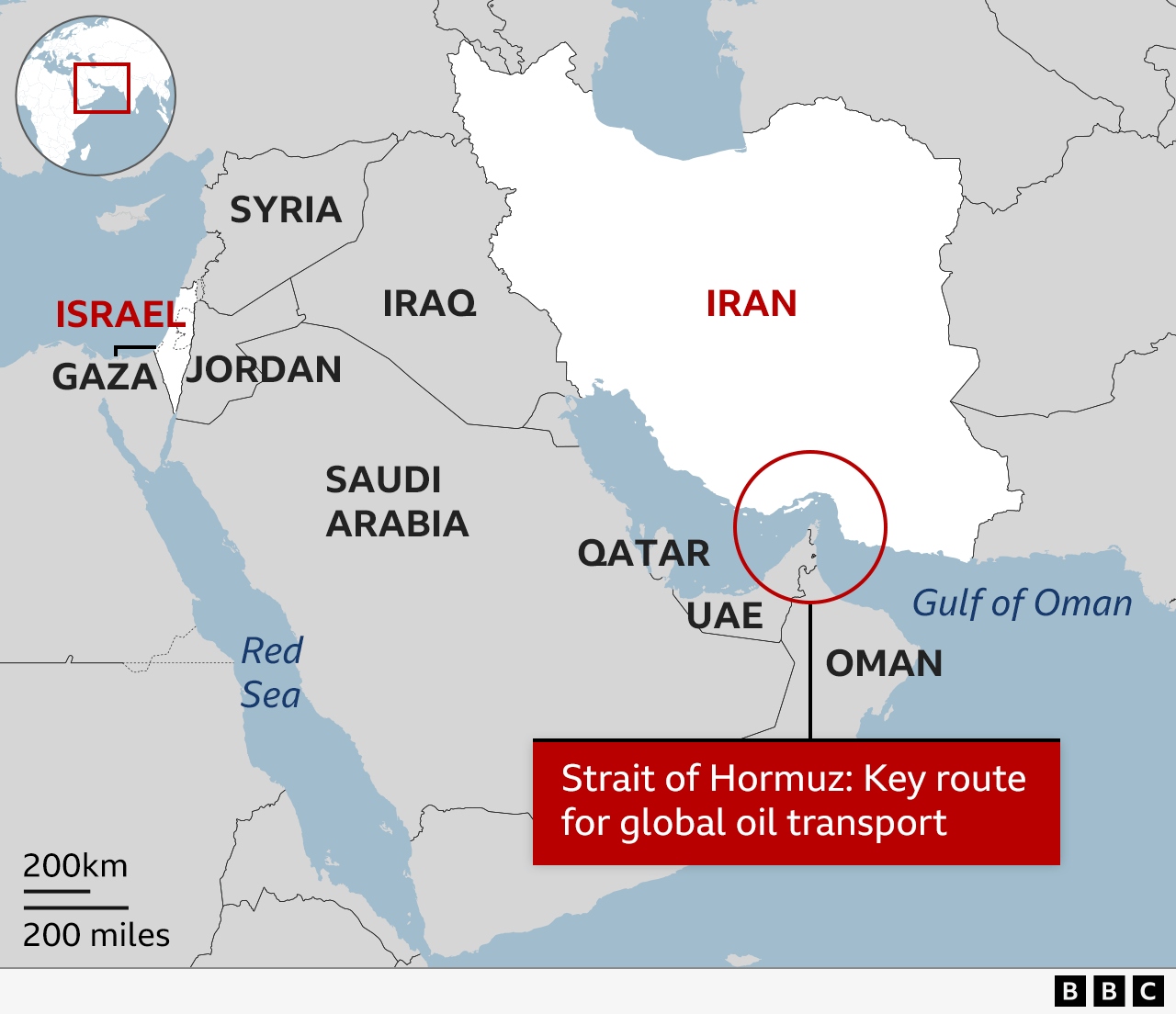
The business world is taking note. Compliance officers in Singapore, London, and Dubai are no longer skimming over the "know your customer" requirements. They are digging deeper. They are asking who really owns the vessel, where the ballasting happened, and why a ship spent three days drifting in the Gulf of Oman with its lights out.
The cost of moving sanctioned oil is skyrocketing. You have to pay the crew more. You have to pay the insurance "extra." You have to discount the price of the oil itself just to find a buyer willing to take the risk. Eventually, the friction becomes too high. The machinery of the shadow trade begins to grind and smoke.
But the demand for cheap energy is a powerful drug. As long as there is a profit to be made, someone will try to sail a ghost ship. The question is no longer whether they can be seen. The question is whether they can survive the legal storm that is currently brewing on the horizon.
The ocean remains indifferent. It carries the sanctioned and the legal alike, hiding secrets in its depths. But above the waves, the satellites are watching, the lawyers are filing their briefs, and the era of looking the other way has come to a violent, definitive end. The gavel is falling, and its echo is heard even in the furthest reaches of the sea.