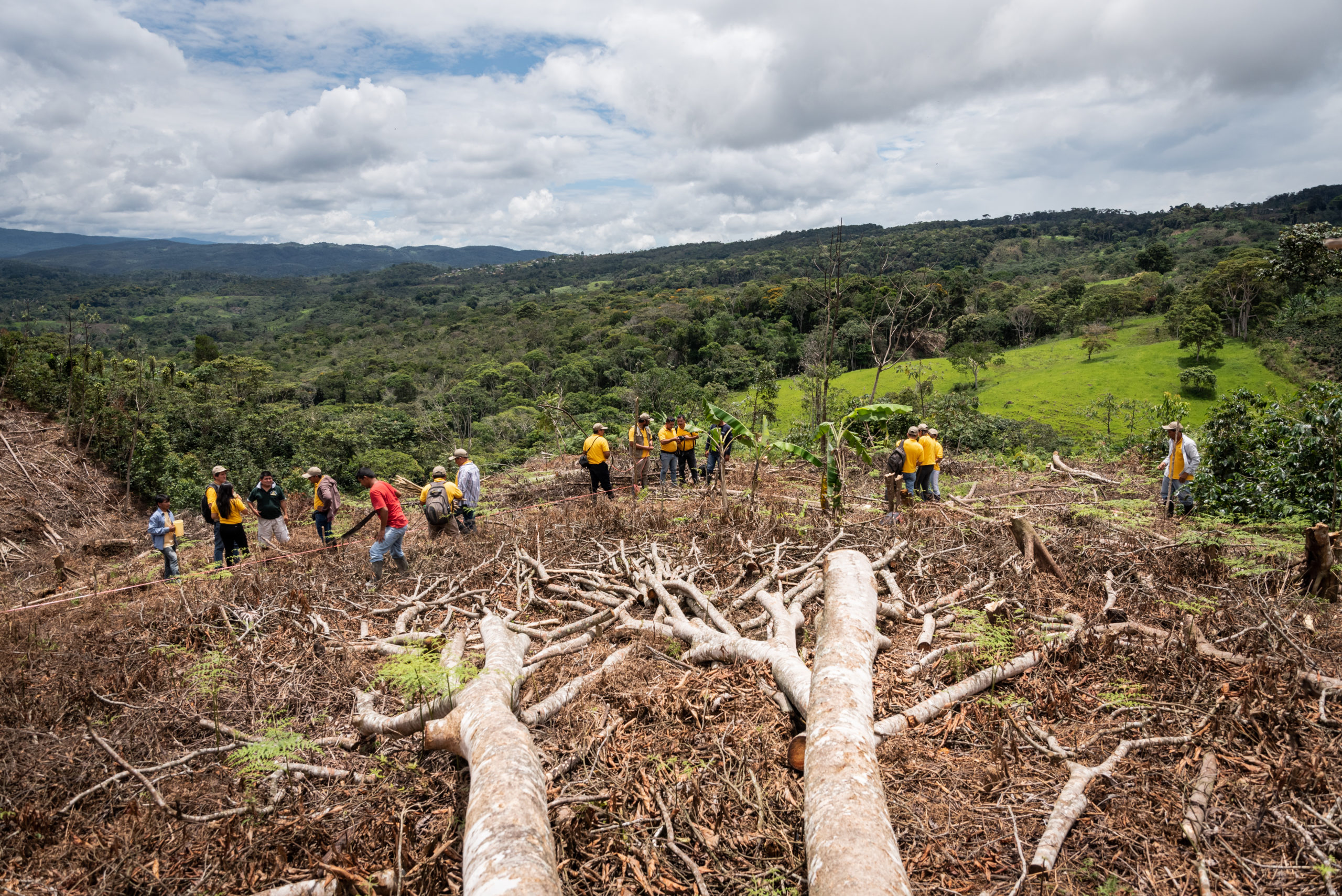
Rainforests finally got a breather in 2025. After a 2024 that felt like watching a slow-motion car crash for the planet's lungs, the latest data shows a legitimate dip in primary forest loss. It's not a victory lap. Not even close. But it's the first time in years the numbers aren't just a wall of red.
If you've been tracking satellite data from Global Forest Watch or the World Resources Institute, you know the vibe has been grim. 2024 saw massive spikes in the Amazon and Southeast Asia, driven by a nasty El Niño and a surge in commodity demand. 2025 looks different. We're seeing double-digit percentage drops in some of the world's most critical "carbon sinks."
Why did this happen? It wasn't just luck or a change in the weather. It was a mix of aggressive policy shifts in Brazil, better supply chain tracking in Europe, and a genuine shift in how some developing nations view their natural capital.
The Brazil Factor is Changing Everything
Brazil is the heavy hitter. If the Amazon bleeds, the whole world feels the fever. Under the current administration, Brazil has moved away from the "wild west" mentality that dominated the previous few years. Deforestation rates in the Brazilian Amazon dropped by nearly 22% in the first half of 2025.
That didn't happen by asking nicely. It happened because Ibama—the country’s environmental protection agency—actually got its budget back. They’re seizing cattle raised on illegal land. They’re burning the heavy machinery used by gold miners. It's messy, confrontational, and effective.
But there’s a catch. While the Amazon is doing better, the Cerrado—the massive tropical savanna next door—is still getting hammered. Agribusiness is just shifting its bulldozers a few hundred miles to the east where the laws are weaker. This is the "leakage" problem nobody wants to talk about. You protect one spot, and the destruction just migrates.
Indonesia Proves High Prices Don't Always Mean High Loss
For a long time, the rule was simple. When palm oil prices go up, trees go down. Indonesia has spent the last two years breaking that rule. Despite palm oil remains a massive global commodity, Indonesia’s primary forest loss has stayed near record lows through 2025.
They’ve made their temporary moratorium on new plantations permanent. More importantly, they’ve started integrating smallholder farmers into legal supply chains. Most people think "big bad corporations" cause all the damage. Sometimes they do. But in Indonesia, the real progress has come from helping local farmers get more yield out of the land they already have, so they don't have to slash into the standing forest to survive.
Why the 2025 Data is Bittersweet
You can't look at the slowing loss without acknowledging the scars 2024 left behind. Last year's record-breaking fires didn't just clear land. They changed the local climate. When you lose a massive chunk of forest, you lose the "flying rivers"—the moisture that the trees pump into the atmosphere.
Even though fewer trees were cut in 2025, the forests that remain are more fragile. We’re seeing more "degradation." That’s the technical term for a forest that’s still standing but is basically a hollow shell. It’s been thinned out, it’s drier, and it’s losing its ability to store carbon.
The 2025 slowdown is a win for policy, but it’s still a struggle against a warming planet. Forest fires in the northern boreal forests and parts of the Congo Basin are becoming harder to stop because the ground itself is drying out. We're fighting a two-front war: human greed and a climate that’s increasingly prone to burning everything down.
Money is Finally Moving the Right Way
Money talks. For decades, we told developing nations to save their forests while we bought the cheap beef and soy grown on the ashes. That’s changing. The European Union Deforestation Regulation (EUDR) finally started showing its teeth in 2025.
Companies selling products in Europe now have to prove their goods didn't come from deforested land. They need GPS coordinates. They need proof. This has sent a shockwave through global supply chains. If you're a soy farmer in Bolivia or a cocoa grower in Ghana, and you want access to the high-paying European market, you can't clear-cut anymore.
Is it perfect? No. There's a growing "black market" for commodities that feeds into regions with lower environmental standards. But for the first time, there’s a clear financial penalty for destroying primary forests.
The Congo Basin is the New Frontier
While the Amazon gets the headlines, the Congo Basin is where the next decade will be won or lost. It’s the only major tropical forest that’s still a net carbon sink—meaning it sucks up more CO2 than it emits.
In 2025, loss rates in the Democratic Republic of Congo (DRC) stayed stubbornly high, but they didn't jump as much as feared. The challenge here isn't large-scale agribusiness. It's poverty. People need charcoal for cooking. They need small plots for subsistence farming.
You can't just tell someone in the DRC to stop cutting trees if they can't feed their kids. 2025 saw the first real "debt-for-nature" swaps that actually reached the ground level. Wealthier nations are starting to pay for the "service" these forests provide to the global climate. It’s about time.
What Needs to Happen Tomorrow
Don't let the headlines fool you into thinking the crisis is over. We’re still losing an area of forest every year that would make most small countries look tiny. A "slowdown" just means we're bleeding out a little more slowly.
To keep this momentum into 2026, we need to stop obsessing only over "deforestation" and start looking at "restoration." Planting a million monoculture pine trees isn't a rainforest. We need complex, biodiverse ecosystems.
You should be looking at where your food comes from. Check the labels on your coffee, your chocolate, and your beef. Support companies that have transparent supply chains. If a brand can't tell you exactly which province their palm oil came from, they're probably part of the problem.
Governments need to stop treating forests like a "nice to have" and start treating them like critical infrastructure, same as power grids or roads. The 2025 numbers show that when we actually enforce laws and put money behind conservation, the earth responds. It's resilient. It wants to grow back. We just have to stop killing it long enough for it to catch its breath.
Start by supporting organizations that work directly with indigenous communities. These groups are the most effective forest guardians on the planet. They manage about 25% of the world's land but protect 80% of its biodiversity. If you want to keep the 2025 trend going, give the people who live in the forest the legal rights to defend it.
Stay skeptical of corporate "net zero" promises that rely on distant carbon offsets. Real progress happens on the ground, with boots in the mud and satellites in the sky. We've seen a glimpse of what's possible when the world actually tries. Now we have to do it again next year, and the year after that.