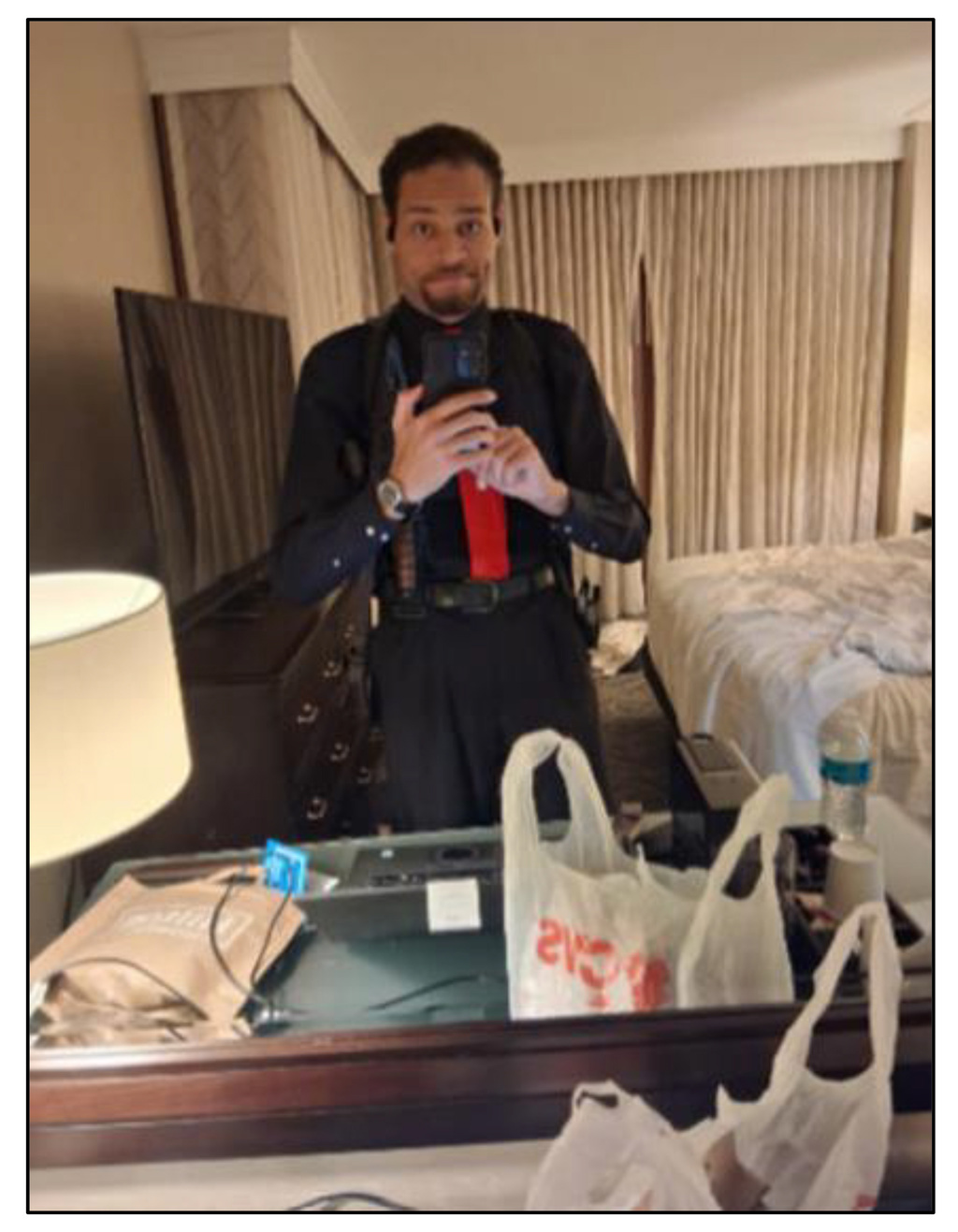
Losing your chance at a permanent life in the United States hurts. For one Redditor, the final rejection from the H-1B lottery felt like a death sentence for a dream. They took to the internet to vent, expecting a digital shoulder to cry on. Instead, they walked into a buzzsaw of criticism. The viral post, which detailed the user’s "devastation" after failing to secure a visa for the third year in a row, sparked a massive debate about merit, luck, and the perceived entitlement of high-skilled tech workers.
The H-1B lottery is a brutal game of numbers. In 2024, the United States Citizenship and Immigration Services (USCIS) saw hundreds of thousands of registrations for just 85,000 available slots. That’s a math problem that doesn't care about your GPA, your salary, or how much you love your neighborhood in San Francisco or Austin. When this particular user complained that the system was "unfair" because they had "done everything right," the internet didn't see a victim. They saw someone who thought they were too good for the rules that apply to everyone else.
Why the H-1B Lottery feels like a rigged game
The H-1B visa is designed for "specialty occupations." These are roles that require a bachelor’s degree or higher in fields like engineering, mathematics, or medicine. If you're on an F-1 student visa, you typically get a few shots at this lottery through Optional Practical Training (OPT). If your name isn't picked by the time your OPT expires, you usually have to leave the country.
It's a high-stakes lottery. Honestly, calling it a "lottery" is the most accurate thing about the whole process. It isn't a meritocracy. You can be a literal rocket scientist or a junior dev at a startup; your odds are exactly the same once you're in the pool. This is the part that grinds people's gears. We're taught that if we work hard and play by the rules, we'll win. The H-1B system proves that's a lie.
The Redditor's main gripe was that they were "better" than the system. They felt their specific contributions and tenure in the U.S. should have earned them a pass. The internet, however, was quick to remind them that the U.S. immigration system isn't a loyalty program. There are no "frequent flyer" miles for years spent on a student visa.
The entitlement trap and the public's cold shoulder
Why did people react so poorly? It comes down to the "galling entitlement" tag that started trending in the comments. Many users pointed out that millions of people around the world face far more dire immigration circumstances. Refugees, people fleeing war, and those stuck in decades-long green card backlogs don't always get the luxury of venting about a high-paying tech job on Reddit.
There's a specific brand of frustration directed at tech workers who assume a visa is a right rather than a temporary permit. The H-1B is, by definition, a non-immigrant visa. It’s temporary. When you sign up for it, you know the risks. You know the "lottery" part isn't just a figure of speech.
- The Luck Factor: 85,000 slots. Over 700,000 registrations in some years.
- The Wage Gap: Many critics argue that H-1B holders are used to suppress domestic wages, though the data on this is famously messy.
- The Backup Plan: Most commenters asked the same thing: "Why didn't you have a Plan B?"
The lack of a backup plan is where the sympathy really evaporated. If your entire life hinges on a random number generator, you'd think you would have a bag packed or a transfer to a Canadian branch lined up. This Redditor didn't. They put all their chips on a single spin of the wheel and then got mad when the ball landed on black.
The systemic issues USCIS refuses to fix
While the internet was busy dunking on this individual, they missed a larger point. The system actually is broken, just not in the way the Redditor thought. For years, the H-1B lottery was gamed by "multiple filers." These were staffing firms that submitted dozens of applications for the same person to increase their odds.
USCIS recently tried to fix this by moving to a "beneficiary-centric" selection process. Now, each person is only entered once, regardless of how many companies submit for them. This was supposed to make it fairer. But even with these changes, the demand vastly outstrips the supply.
We see the same story every April. Brilliant people are forced to leave. Companies lose talent they spent years training. The U.S. essentially exports the education it provided to international students back to their home countries or to competitors like Canada and the UK. It’s a brain drain by design.
How to actually survive an H-1B rejection
If you're in this boat, crying on Reddit is a bad move. People will call you names. They will tell you to go home. Instead of looking for sympathy from strangers who probably think you're overpaid anyway, you need to look at the actual legal pathways remaining.
The Day 1 CPT Route
This is the most common "panic" move. Some universities allow you to start Curricular Practical Training (CPT) on the first day of a new degree program. This lets you keep working legally while you're back in school. It’s expensive, it’s exhausting, and it’s a bit of a legal gray area that some immigration officers look at with suspicion. But it keeps you in the country.
The O-1 Visa for Extraordinary Ability
If you really are as "extraordinary" as that Redditor claimed to be, you should look at the O-1. It doesn't have a cap. It doesn't have a lottery. You just have to prove you're at the top of your field. This means awards, press coverage, or high-level memberships. It’s a high bar, but it’s a merit-based exit ramp from the lottery madness.
The "Canada Maneuver"
Many big tech companies (Amazon, Google, Microsoft) will ship you to Vancouver or Toronto for a year. You work from there, get your Canadian work permit, and then try to come back to the U.S. on an L-1 "intracompany transferee" visa. The L-1 doesn't have a lottery cap for most employees. It’s a detour, but it works.
Stop expecting the system to be fair
The biggest mistake you can make in the U.S. immigration process is expecting it to make sense. It’s a relic of the 1990s that hasn't been updated to reflect the modern economy. It’s bureaucratic, cold, and entirely indifferent to your personal story.
The Redditor who got trolled wasn't wrong to feel sad. They were wrong to feel special. In the eyes of the USCIS, you're a case number, not a "top talent." If you want to stay, stop relying on luck. Start building a portfolio for an O-1, talk to your company about an overseas transfer, or look into the E-2 treaty investor visa if your country qualifies.
Don't wait until the final rejection notice hits your inbox. The moment you start your OPT, you should be planning for the day the lottery fails you. Because for the majority of applicants, it will. Move your life forward by assuming the "devastation" is coming and building a fence around your future that doesn't depend on a government computer's random selection.
Get your paperwork in order for a Canadian permanent residency or a Masters in Europe. Have the "what if" conversation with your HR department today. If they value you, they’ll find a way to keep you on a global payroll. If they won't, you have your answer about how "essential" you really are to their operations.