Panic is a predictable passenger on any cruise ship dealing with a "mystery virus." But when that virus is Hantavirus—a pathogen usually found in dusty barns, not luxury cabins—the fear hits differently. Right now, 17 Americans are waiting to be hauled off the MV Hondius and flown to Nebraska for a federal lockdown. If you think this is just another COVID-style overreaction, you haven’t seen the math on Hantavirus.
The mortality rate for Hantavirus Pulmonary Syndrome (HPS) isn't just high; it's terrifying. We're talking about a roughly 38% to 40% death rate. For context, the MV Hondius outbreak has already seen eight confirmed or suspected cases and five deaths. That is a coin-flip for survival.
This isn't a "stay home if you feel sick" situation. It's a "we need the National Quarantine Unit" situation.
The Nebraska Lockdown Explained
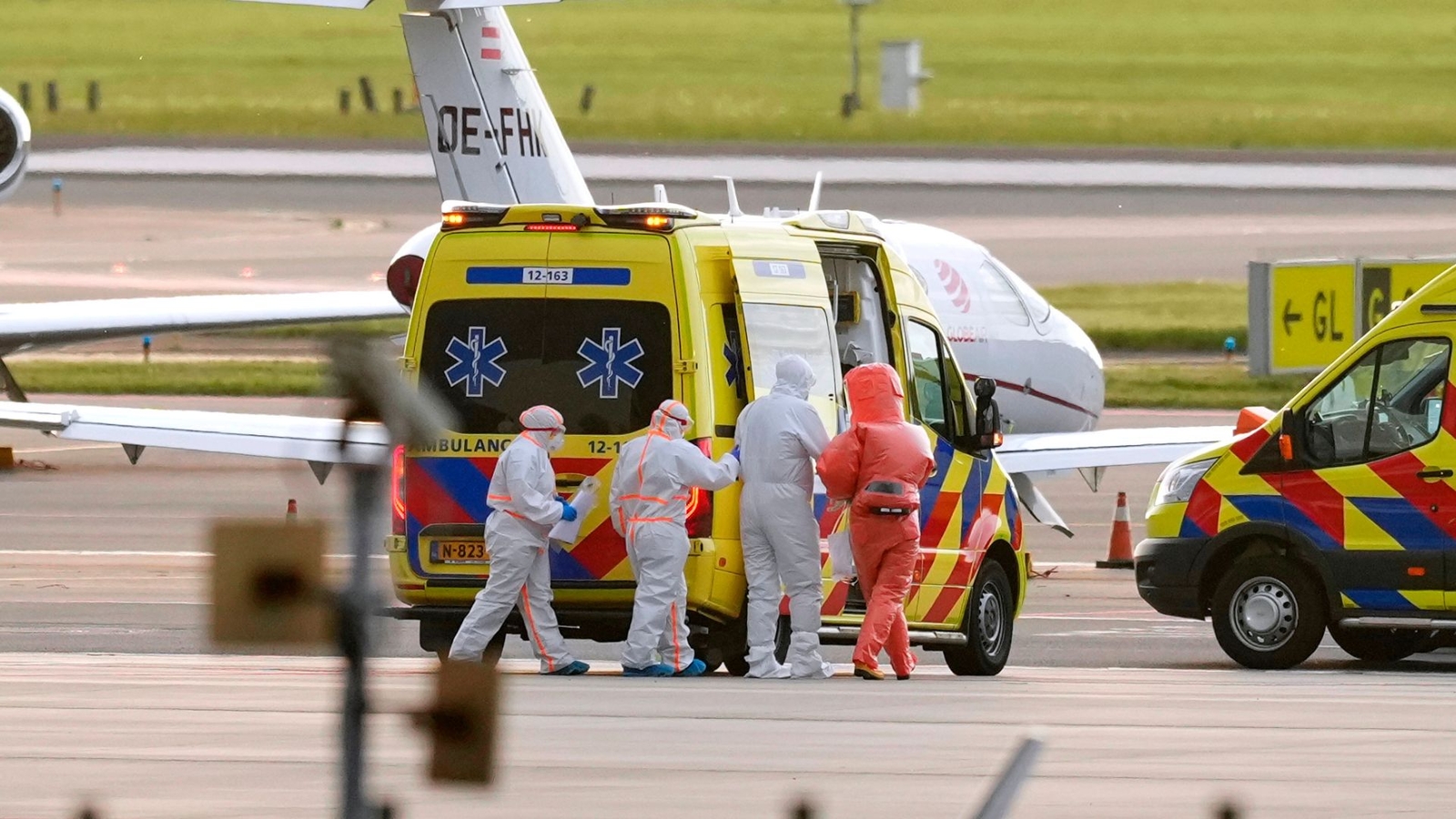
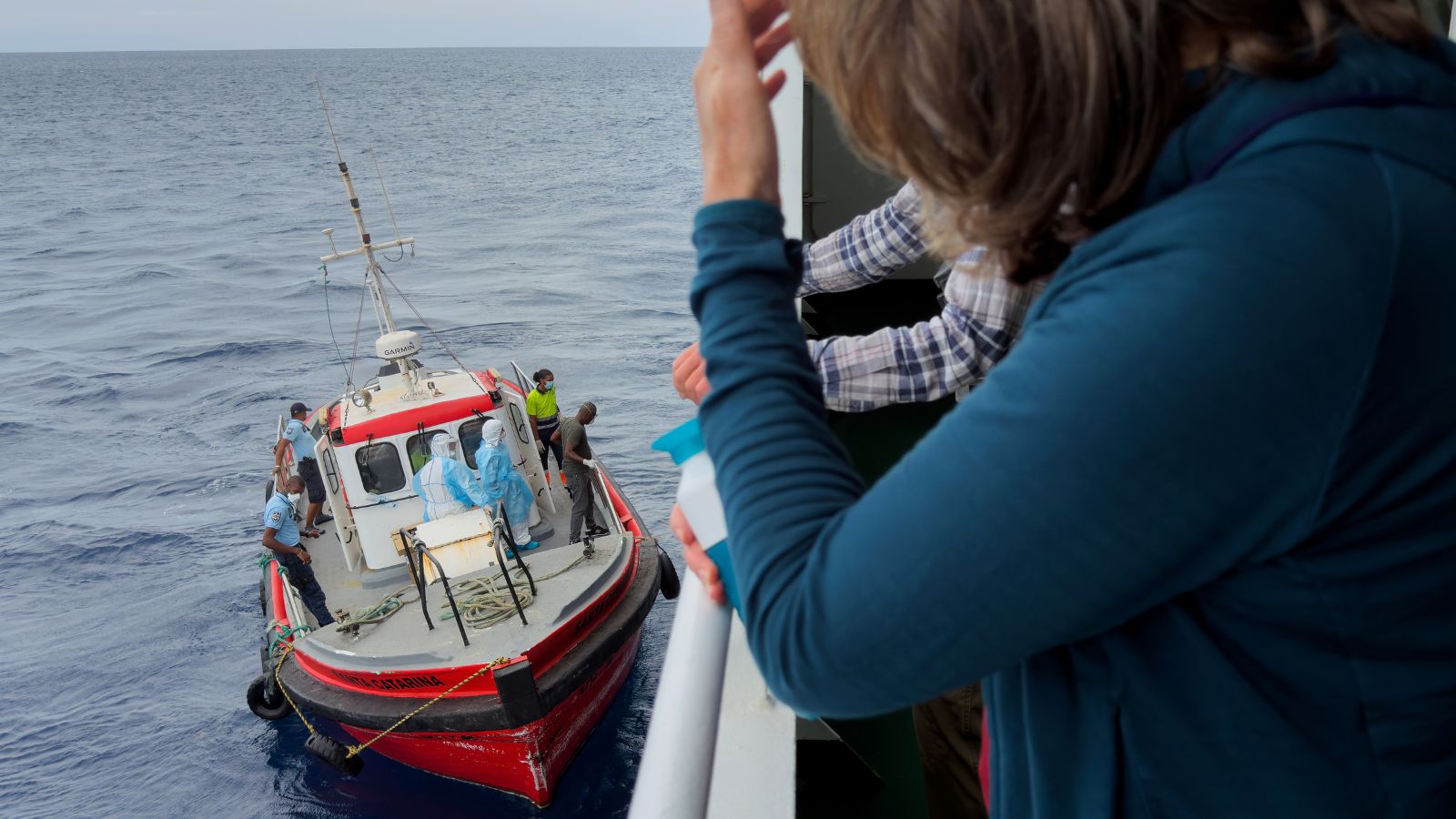
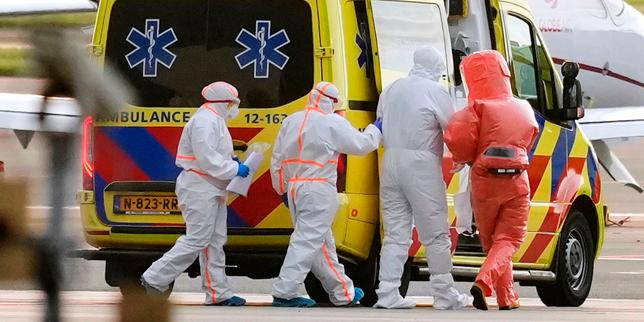
The plan is aggressive because it has to be. The CDC is currently coordinating a high-stakes handoff with the Spanish government in the Canary Islands. The Americans onboard won't just walk off the gangway and grab a Starbucks. They’re being funneled into small boats in groups of five, bused directly to a tarmac, and flown on a specialized repatriation plane to the University of Nebraska Medical Center (UNMC).
Why Nebraska? Because they have the National Quarantine Unit. It's one of the few places in the world designed to handle pathogens that turn your lungs into a fluid-filled sponge within hours.
The strategy here is "containment at all costs." Even though health officials keep saying the risk to the general public is low, their actions tell a different story. They’re treating this like a biological wildfire.
Why This Isn't Your Typical Hantavirus
Most people catch Hantavirus from breathing in dried rodent pee or poop in a shed. It’s rare. It’s isolated. But the MV Hondius is different because of a specific strain called Andes virus.
Most Hantaviruses don't jump from person to person. The Andes strain, native to South America, is the nasty exception. It’s the only one known to spread through close human contact. Since the ship recently toured the Andes region before heading toward Africa, the WHO is working under the assumption that this thing is jumping between passengers.
Here is what the timeline looks like for those currently trapped in their cabins:
- The Incubation Gap: Symptoms can take anywhere from one to eight weeks to show up.
- The "Flu" Phase: It starts with fever, fatigue, and muscle aches in the thighs and back. Most people think they just have a cold.
- The Crash: Suddenly, the lungs fill with fluid. Shortness of breath turns into respiratory failure in a matter of hours.
If you’re on that ship, you aren't just waiting to see if you’re sick; you're waiting to see if you’ve been a walking incubator for the last month.
The Cruise Industry Pest Problem Nobody Talks About
Let’s be real about cruise ships. We like to think of them as floating five-star hotels, but they’re massive pieces of industrial machinery with thousands of nooks, crannies, and cargo holds. Rodent control on a ship is a constant, losing battle.
This outbreak raises a massive red flag about sanitation standards. How did an Andes-carrying rodent—or an infected person—get into a position to trigger a cluster this deadly? If it was a rodent, the ship’s pest protocols failed. If it was human-to-human, the ship’s air filtration and social distancing protocols failed.
The industry loves to tout its post-2020 "deep cleaning" tech, but Hantavirus doesn't care about hand sanitizer. It cares about shared air and contact with bodily fluids.
What You Should Actually Do
If you have travel plans that involve the South American coast or any expedition-style cruising, don't cancel yet, but start asking uncomfortable questions.
- Demand the VSP Scores: In the U.S., the CDC’s Vessel Sanitation Program (VSP) gives ships a score. If a ship is scoring in the 80s, don't get on it.
- Watch the "Flu": If you get back from a trip and feel "flu-ish," do not wait. Tell your doctor exactly where you were. Most doctors won't even think of Hantavirus unless you shove the travel history in their face.
- The Bleach Rule: If you’re ever in an area with potential rodent activity, never sweep or vacuum. That just kicks the virus into the air. Use bleach. Soak everything.
The 17 Americans heading to Nebraska are about to become the most studied people in the country. Their time in the National Quarantine Unit will likely rewrite the book on how we handle rare, high-consequence pathogens in a world that’s increasingly tired of hearing about viruses.
The reality is that Hantavirus is a brutal, efficient killer that doesn't need a pandemic-level spread to be a nightmare. It just needs one unlucky breath in a cramped cabin.