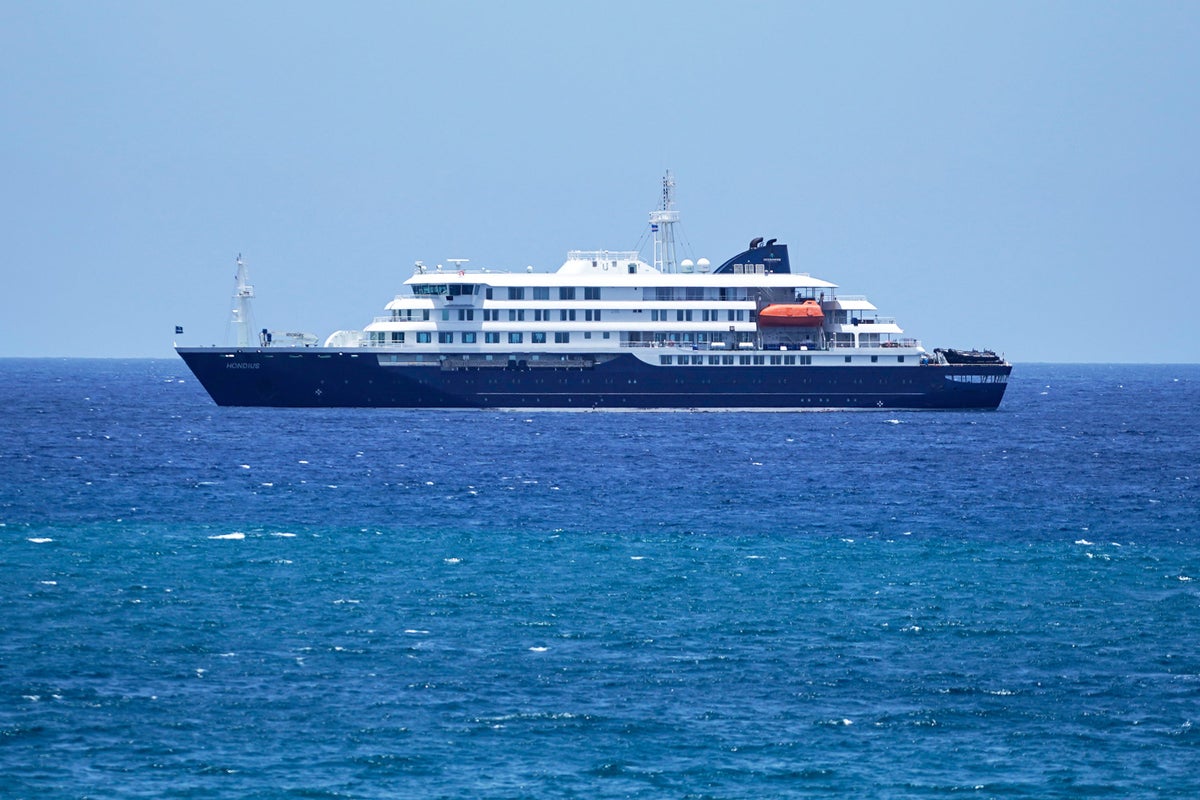
Panic is a bad look for the travel industry, but the situation unfolding on the MV Hondius is genuinely grim. We aren't talking about a standard bout of norovirus where everyone spends 48 hours near a toilet. This is a suspected hantavirus outbreak that’s already claimed three lives and left a British crew member fighting for "urgent" care in the middle of the Atlantic.
If you think a luxury expedition ship is the last place you'd find a rodent-borne killer, you’re not alone. The ship, operated by Oceanwide Expeditions, is currently sitting off the coast of Cape Verde, basically turned into a floating isolation ward.
The Timeline of a Maritime Nightmare
The trouble didn't start yesterday. The MV Hondius left Argentina on April 1, 2026, for what should've been a spectacular 33-night "Atlantic Odyssey." Instead, it turned into a slow-motion disaster.
- April 11: A Dutch passenger dies on board. At the time, nobody could figure out why.
- April 24: Another passenger—this time British—falls seriously ill with fever and pneumonia symptoms.
- April 27: That British passenger is air-lifted to Johannesburg. Tests later confirm it’s hantavirus.
- May 2: A German passenger dies on the ship.
- May 4: News breaks that two crew members—one British, one Dutch—are showing "acute respiratory symptoms." One is severe.
Right now, the ship is a pariah. Cape Verdean authorities aren't letting people off. The World Health Organization (WHO) is involved, and specialized medical planes are being prepped to get the sickest people to the Netherlands.
What Hantavirus Actually Does to You
Hantavirus isn't a single bug; it's a family of viruses. Usually, you get it from breathing in dust contaminated with rodent droppings, urine, or saliva. On a ship, that suggests either a stowaway pest problem or an infection picked up during a stop in South America where the virus is endemic.
There are two ways this goes south for the human body. One attacks the kidneys (HFRS), common in Europe and Asia. The other, Hantavirus Pulmonary Syndrome (HPS), is the one usually found in the Americas, and it’s a beast. It starts with standard flu-like fatigue and muscle aches. Then, out of nowhere, your lungs start filling with fluid.
You literally can't breathe. The mortality rate for HPS sits around 38%. To put that in perspective, that’s significantly deadlier than most seasonal illnesses we worry about. There's no "cure" or "shot" you can take. Doctors just try to keep you breathing long enough for your body to fight it off.
The Person to Person Problem
Here’s the part that keeps epidemiologists awake: hantavirus is almost never spread between humans. It’s a "dead-end" host situation. However, there’s a specific strain called the Andes virus found in Argentina and Chile that can jump from person to person.
Since the MV Hondius started its journey in Argentina, the WHO is scrambling to sequence the virus. If this is person-to-person transmission, the protocol for cruise ships changes forever. If it's just a couple of infected mice in the flour storage, that’s a different (but still terrifying) problem.
The fact that three people are dead and more are falling ill weeks apart suggests something is still active on that ship. Whether it’s a lingering environmental source or a human-to-human chain, the "low risk to the public" line the WHO is pushing feels a bit thin when you’re stuck in a cabin on a ship that no port wants to touch.
How to Protect Yourself on Future Trips
I’m not saying you should cancel your Antarctic cruise. But you should stop assuming "luxury" means "sterile." Rodents are the ultimate hitchhikers. They’ve been on ships since humans started building them.
If you’re traveling in areas where hantavirus is known to live (like rural South America or the Western US), watch your surroundings. If you see droppings in a cabin or a hotel room, don't just sweep them up. Sweeping kicks the virus into the air where you can breathe it in. You need to wet that mess down with disinfectant or bleach first.
The real takeaway here is the speed of onset. If you've been traveling and you develop a fever along with shortness of breath, don't wait for it to "pass." By the time hantavirus hits your lungs, you have a very narrow window to get into an ICU.
The Immediate Reality for the Hondius
The British crew member currently in distress represents the frontline of this crisis. While the cruise line and the WHO discuss repatriation to Spain or the Netherlands, people are still trapped in their rooms.
If you're following this, watch the test results coming out of South Africa and the Netherlands over the next 48 hours. If they confirm the Andes strain, expect a much more aggressive quarantine. For now, the ship is a grim reminder that despite all our technology, a microscopic virus and a common rodent can still bring a multi-million dollar vessel to a dead halt.
Check your travel insurance policies. Most don't cover "quarantine by local authorities" unless you have specific riders. If you're heading to South America this year, bring high-quality disinfectant wipes and don't ignore a "summer flu." It might be something much worse.