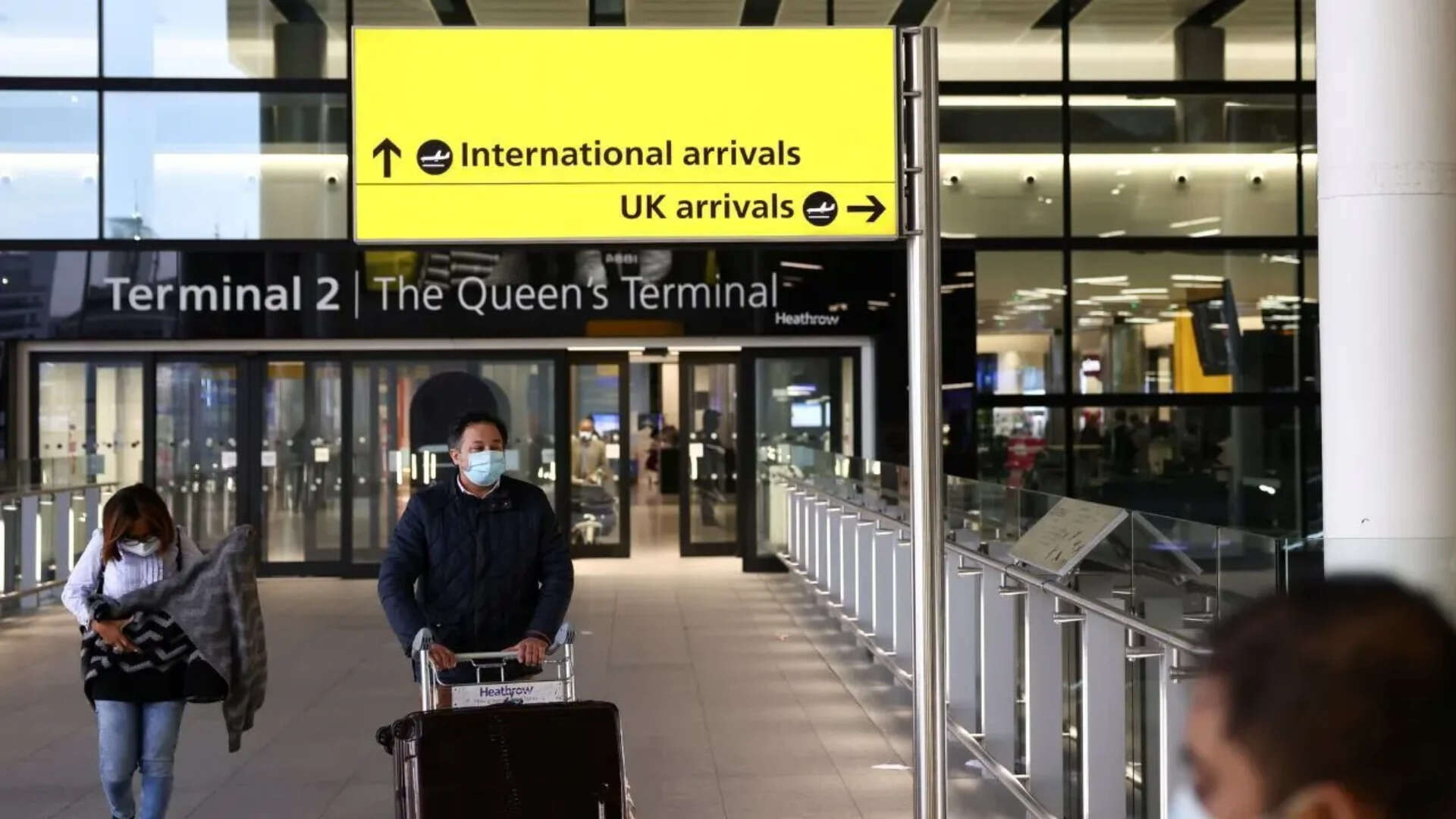
Heathrow just released its latest numbers and they're a grim reminder of how fragile global travel really is. Total passenger traffic dropped 5% last month. That's a significant hit for an airport that usually operates at near-capacity. But the real story isn't the overall dip. It's the absolute collapse of travel to the Middle East. Routes connecting London to major hubs in the region saw a staggering 50% decline. This isn't some seasonal fluctuation or a random blip in the data. It's the direct result of the escalating Iran war.
When a major conflict breaks out in a region that serves as the world's primary transit lounge, the ripple effects are massive. You're seeing families canceling long-planned reunions. Business travelers are pivoting to Zoom because insurance won't cover their flights to "at-risk" zones. Airlines are scrambling. It's a mess, and Heathrow is currently the loudest canary in the coal mine.
Why the Numbers Are Crashing So Fast
A 5% drop across the board might sound small to a casual observer. It's not. For an airport like Heathrow, which handles tens of millions of people, a 5% loss represents hundreds of thousands of missing passengers. The lost revenue from landing fees, retail spending, and parking is enormous.
The 50% cratering of Middle East travel is even more alarming. Look at the logistics. Flights to Dubai, Doha, and Abu Dhabi aren't just for people visiting those cities. They're critical "bridge" flights. If you're flying from London to Sydney, Singapore, or Mumbai, there's a high chance you're connecting through the Gulf. With the Iran war intensifying, that bridge is effectively broken. People are scared. Even if the flight path stays well clear of the actual combat zones, the uncertainty is enough to keep travelers grounded.
Airlines have been forced to reroute. That means longer flight times. Longer flight times mean more fuel. More fuel means higher ticket prices. It's a cycle that feeds itself. You're paying more to sit on a plane for two extra hours just to avoid a missile corridor. Most people just decide to stay home instead.
The Economic Impact Beyond the Runway
It's easy to look at Heathrow as just a place where planes land. But it's actually a massive economic engine. When traffic falls, everything slows down. The duty-free shops that rely on high-spending international travelers are seeing ghost towns in their luxury aisles. The hotels surrounding the airport are facing a wave of cancellations.
The freight side is also taking a beating. A huge portion of the world's cargo travels in the belly of passenger planes. When those flights get canceled or rerouted, supply chains stutter. We’re talking about everything from high-end electronics to time-sensitive medical supplies. If it can't fly through the Middle East, it has to go the long way around, adding days to delivery schedules.
I've talked to industry insiders who say the current situation is the most volatile they’ve seen since the pandemic. Back then, everything stopped. Now, it's a surgical strike on specific, high-value routes. The Iran war has effectively cut a hole in the global flight map.
Safety Concerns and the Rerouting Reality
Airspace is a finite resource. When a large chunk of it over Iran and surrounding areas becomes a "no-go" zone, every other route gets crowded. Pilots are dealing with increased congestion in corridors over Turkey and Egypt.
Safety isn't just about avoiding a direct hit. It's about the stress on the entire system. Air traffic controllers are managing more planes in tighter spaces. Airlines like British Airways and Qatar Airways have had to adjust their schedules daily. You can't just "fly around" a war without a massive logistical headache.
The fear isn't just about the war itself. It's about the potential for accidental escalations. We’ve seen in the past what happens when civilian aircraft are caught in the crossfire of regional tensions. Travelers haven't forgotten. The drop in traffic is a rational response to an irrational situation.
What This Means for Your Next Trip
If you’re planning to fly soon, you need to be realistic. The days of predictable, easy travel through the Middle East are on pause.
- Check your transit points. Don't just look at your destination. See where your layover is. If it's in a region bordering the conflict, expect delays or sudden schedule changes.
- Watch the fuel surcharges. Airlines are eating the cost of longer routes for now, but that won't last. Expect "war surcharges" or general price hikes to hit your wallet soon.
- Insurance is mandatory. Make sure your policy covers "civil unrest" or "war-related" cancellations. Many standard policies have "act of war" exclusions. Read the fine print. You don't want to be out three grand because a border closed.
- Buffer your time. If you have a connection, make it a long one. Three hours isn't enough when flight paths are being shifted in real-time by military movements.
The situation at Heathrow is a wake-up call. We like to think of the world as small and interconnected, but war has a way of making it feel very large and fragmented again. This 5% drop is just the start if the conflict doesn't de-escalate. Airlines are already looking at their winter schedules with a lot of nervousness.
If you have a flight booked through a major Middle Eastern hub, call your airline today. Don't wait for the "canceled" notification. Ask about rerouting options or flexible rebooking. Proactivity is the only way to navigate this. The data says half the people are already staying home. If you still have to go, make sure you have a backup plan for when the map changes again.