Panic buying usually starts with a single empty shelf and a viral photo. Within hours, a rational supply chain can transform into a chaotic scramble for staples. However, the UAE recently signaled a definitive end to that cycle. LuLu Group, the retail behemoth anchoring the region’s grocery sector, has confirmed a six-month stockpile of essential goods, effectively de-risking the kitchen tables of millions. This isn't just about overstuffed warehouses. It is a calculated, multi-billion dollar bet on regional stability through aggressive procurement and a supply chain that refuses to break.
The assurance of a half-year buffer addresses the primary fear of every resident: price volatility and scarcity. By securing these volumes now, the retail sector acts as a massive shock absorber against global inflation and shipping disruptions.
The Architecture of a Six Month Buffer
Maintaining a six-month inventory of perishables and dry goods is a logistical nightmare that most global retailers would never attempt. In the high-efficiency world of modern retail, "Just-in-Time" delivery is the standard. You want the milk to arrive just as the old carton is sold. Keeping 180 days of stock is the opposite of that lean philosophy. It is expensive, it requires massive climate-controlled real estate, and it demands sophisticated predictive modeling to prevent waste.
LuLu’s ability to guarantee this volume stems from a global sourcing network that bypasses traditional middlemen. When you own the processing plants in India, the cold storage in Spain, and the export hubs in South Africa, you control the flow. This vertical integration allows the group to move products into the UAE at a scale that independent competitors cannot match. They aren't just buying food; they are managing the entire journey from the farm gate to the checkout counter.
The sheer physical scale of this operation is hard to overstate. We are talking about millions of square feet of temperature-controlled storage. In a desert climate, every minute of refrigeration costs a premium. To make a six-month stockpile financially viable, the retailer must balance the cost of storage against the inevitable rise in global commodity prices. If they buy wheat or rice today, they are essentially hedging against the market prices of tomorrow.
Why Domestic Sourcing is the Real Story
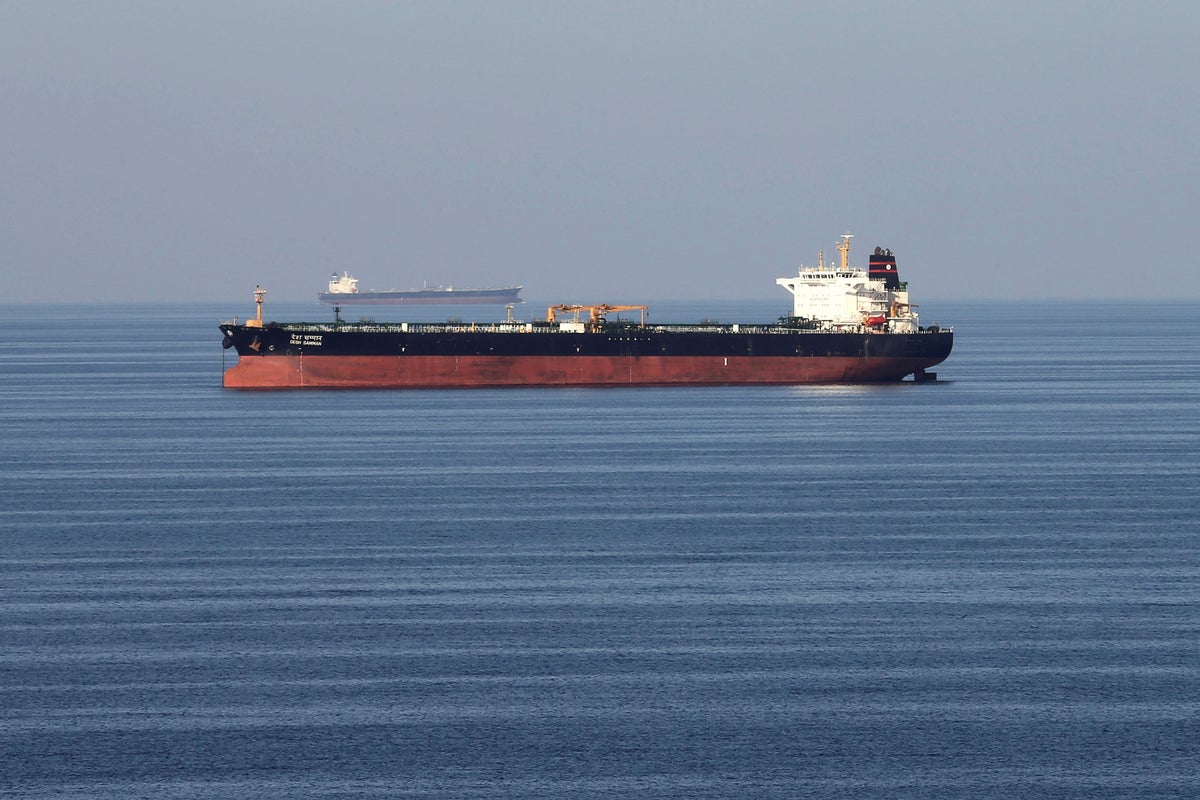
While the six-month figure makes for a reassuring headline, the long-term play involves the soil within the UAE borders. The reliance on international shipping lanes—specifically the chokepoints of the Strait of Hormuz and the Bab el-Mandeb—is a vulnerability that no amount of stockpiling can fully solve. This is where the shift toward local production becomes the critical secondary layer of the security strategy.
In recent years, the UAE has incentivized a massive pivot toward "Made in UAE" food products. You can now find locally grown tomatoes, leafy greens, and even salmon produced in high-tech recirculating aquaculture systems. LuLu has integrated these local producers directly into their shelf-space hierarchy. This creates a circular economy. The retailer gets a fresher product with zero shipping risk, and the local farmer gets a guaranteed buyer.
Breaking the Import Cycle
For decades, the Gulf was almost entirely dependent on the whim of global harvests. A drought in the Midwest or a poor monsoon in India meant immediate price hikes in Dubai. By locking in six months of physical stock and simultaneously increasing the percentage of locally sourced goods, the retail sector is building a "fortress balance sheet" of calories.
This dual-track approach serves two functions:
- Immediate Stability: The stockpile prevents the "fear-greed" cycle of panic buying.
- Structural Resilience: Local farming reduces the carbon footprint and the "miles-per-meal" metric that haunts global logistics.
The Psychology of the Full Shelf
Journalists often overlook the psychological component of retail. Supply chains are built on trust. If a consumer believes the sugar will be there tomorrow, they buy one bag. If they doubt it, they buy ten. That delta of nine bags is what collapses systems.
By publicly announcing a six-month reserve, the industry is performing a "verbal intervention" similar to what central banks do with interest rates. They are signaling to the market that there is no profit in hoarding. When the largest player in the market says their warehouses are full, it forces competitors to match that transparency or risk losing foot traffic to the perceived "safer" option.
The Financial Risk of Oversupply
There is a dark side to holding half a year of inventory. It ties up immense amounts of working capital. For a smaller company, this strategy would lead to a liquidity crunch. LuLu is utilizing its massive cash flow to "park" value in physical goods.
This strategy only works if the retailer has a near-perfect grasp of consumption patterns. If they overbuy a specific category that falls out of fashion, or if a newer, cheaper supply source opens up, they are stuck with high-priced "dead stock." The technology required to track the expiration dates and turnover rates of millions of SKUs across 180 days is the unsung hero of this announcement. It’s a data science play disguised as a grocery story.
Global Shipping Realities
The timing of this announcement isn't accidental. Global shipping is currently a mess. Routes around the Cape of Good Hope have added weeks to transit times and millions to fuel bills. By having a six-month lead, the UAE retail sector has essentially bought itself half a year of immunity from the current maritime chaos. They can wait for shipping rates to normalize while their competitors are forced to pay spot prices and pass those costs on to the consumer.
This isn't just about food; it’s about national security. A hungry population is an unstable one. In the Middle East, food price spikes have historically been the spark for social unrest. Therefore, the "retailer" in this context is functioning as a quasi-governmental agency, ensuring that the most basic social contract—the availability of affordable food—remains unbroken.
The Logistics of the Last Mile
Even with a full warehouse, the system fails if the trucks don't move. The UAE has invested heavily in the "last mile" infrastructure. The road networks, the customs clearances, and the digital manifests are now streamlined to the point where a shipment can move from the Jebel Ali port to a store shelf in record time.
The integration of AI-driven demand forecasting means that the six-month stockpile isn't just sitting in a dark room. It is constantly "breathing." The oldest stock moves out first (First-In, First-Out), while new shipments are layered in. This constant rotation ensures that the "six-month" promise doesn't result in stale products.
What Consumers Should Watch
The real test of this system will be the price tag. A stockpile protects against availability issues, but it doesn't always protect against price issues if the cost of maintaining that stockpile is passed down. Consumers should look at the "Private Label" offerings. Retailers like LuLu often use their own house brands to anchor prices. When the cost of a global brand spikes, the house brand remains steady because the retailer controls the entire margin.
If you see the shelves staying full while prices remain relatively flat during a global crisis, you are seeing the six-month buffer in action. It is a quiet, expensive, and incredibly complex shield.
Monitor the price of long-grain rice and cooking oil over the next quarter. If these staples remain unchanged despite the current fluctuations in the Red Sea, the logistical gamble has paid off.