Africa is finally turning the lights on, but the cost isn't just in dollars and cents. It's in lead. Across the continent, millions of people are getting electricity for the first time thanks to off-grid solar systems. It’s a massive win for development. But here’s the problem: about 70% of this market is unregulated. Most of these systems rely on lead-acid batteries that are cheap, accessible, and incredibly dangerous when they die.
If you think this is a small-scale issue, think again. Experts are sounding the alarm because the very technology meant to save the planet is poisoning the people living on it. In places like Kenya, Malawi, and Tanzania, the recycling of these batteries has become a "silent pandemic." We aren't just talking about a bit of trash in a landfill. We're talking about a neurotoxin that stays in the soil for decades, stunts children's brains, and kills people.
Why Solar is Driving a Lead Crisis
Most of the off-grid solar systems sold in sub-Saharan Africa don't use the fancy lithium-ion batteries you find in a Tesla. They use lead-acid batteries because they're affordable for rural families. When those batteries fail—which happens fast if they're low-quality or poorly maintained—they don't go to a high-tech recycling plant. They go to the informal sector.
I've seen how this works. A "technician" in a busy market breaks the battery open with an axe to get the lead plates out. They drain the acid straight into the ground. They smelt the lead over an open fire. In Malawi, researchers found that a single battery recycled this way releases up to 4.7 kg of lead into the environment. To put that in perspective, that’s more than 100 times the lethal dose for an adult.
The Human Cost in Owino Uhuru
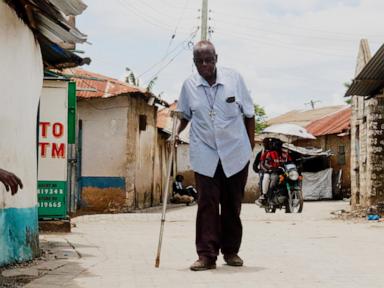
You can't talk about this without mentioning Owino Uhuru, an informal settlement in Kenya. A lead-smelting plant there shut down over a decade ago, but the nightmare hasn't ended. Residents are still testing positive for high lead levels. Children have respiratory issues and developmental delays.
In 2025, the Kenyan Supreme Court awarded $12 million to the residents, but the money doesn't fix the brain damage. This isn't just a "waste management" issue; it’s a massive failure of corporate and governmental accountability. The solar boom is accelerating this demand for lead, and without a better plan, more villages will look like Owino Uhuru.
The Regulation Gap
The difference between a "regulated" and "unregulated" solar product is literally a matter of life and death. In Rwanda, 97% of the market is regulated. They use pay-as-you-go models that favor lithium-ion or high-quality lead-acid batteries with warranties. But in Tanzania, that number drops to around 30%.
When you buy a "gray market" solar kit, you aren't just getting a cheap panel. You're getting a battery that might fail in six months. Once it’s dead, the manufacturer is nowhere to be found. You’re left with a heavy box of poison and no way to get rid of it safely.
Why Safe Recycling is Failing
- Price Wars: Informal recyclers offer more cash for dead batteries because they don't spend money on safety gear or pollution controls.
- Lack of Infrastructure: Safely recycling lead is expensive. It requires specialized furnaces and filtration. Most African nations simply don't have enough of these facilities to keep up with the millions of batteries entering the market.
- The Lead Loop: Recycled lead is a global commodity. Much of it is shipped back to Asia to make... you guessed it, more batteries.
What Needs to Change Right Now
We can't just ban lead-acid batteries. They’re too vital for energy access. But we can stop treating the waste as an afterthought.
If you’re an investor, a policy-maker, or even a conscious consumer, you need to look at the "circularity" of these products. It isn't enough to celebrate a village getting light. We have to ask where that battery goes in three years.
Companies need to be held to "producer responsibility" standards. If you sell a battery in Kenya or Nigeria, you should be legally and financially responsible for its collection and safe recycling. South Africa is already moving in this direction, and the rest of the continent needs to catch up fast.
Governments also need to crack down on the informal smelting shops that operate in residential areas. It’s hard work because these shops provide jobs, but the long-term health costs far outweigh the short-term economic gain.
If we don't fix the battery recycling loop, the "green" revolution in Africa is going to leave a very dark legacy. We’re trading carbon emissions for lead poisoning, and that’s a deal nobody should be willing to make. Start by supporting companies that offer take-back programs and demand transparency in the battery supply chain. Don't let the quest for clean energy create a toxic wasteland.