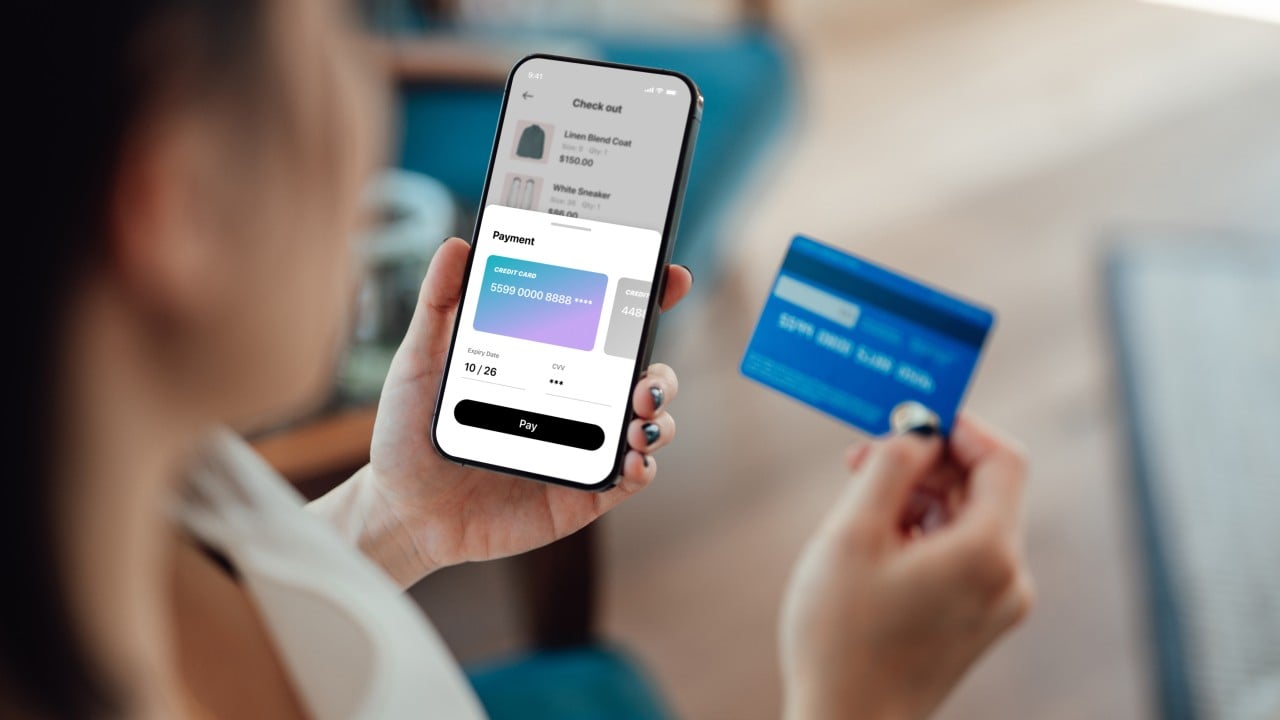
The glow of a smartphone screen at 2:00 AM is a dangerous kind of light. It catches you when the house is quiet, when your defenses are down, and when the mirror in the hallway has spent the day whispering unkind things about the fine lines around your eyes. For a 48-year-old woman in Hong Kong, that glow wasn't just light. It was a promise.
She wasn't looking for a miracle. She was looking for a version of herself that felt less like a fading photograph. The advertisement was simple, elegant, and spoke the universal language of the wellness industry: collagen. It promised plump skin, a radiant complexion, and the effortless vitality that the modern world demands of women while simultaneously making it impossible to maintain.
She clicked. Most of us do. But for her, that single click was the first step into a HK$2.5 million abyss.
The Hook in the Water
Scams are rarely about greed. They are about the bridge between who we are and who we desperately want to be. The "collagen drink" was merely the bait, a physical object to tether a digital lie. When she reached out to the sellers via social media, she didn't find a bot or a cold corporate entity. She found a "consultant."
This is where the psychological engineering begins. The consultant didn't lead with a price tag. They led with empathy. They asked about her skin concerns. They validated her insecurities. They built a relationship out of thin air, textured with the false intimacy of instant messaging. In a city as fast-paced and often isolating as Hong Kong, someone taking an active interest in your well-being feels like a gift.
She bought the first batch. It arrived. She drank it. Whether it was a placebo effect or the genuine desire for change, she felt she was on the right path. The trap was set, not with a threat, but with the warm glow of "success."
The Alchemy of the Upsell
The transition from a few hundred dollars to millions doesn't happen overnight. it happens through the "Sunk Cost Fallacy" mixed with a high-pressure narrative of biological urgency.
Soon after her first purchase, the tone of the messages shifted. The consultant wasn't just a seller anymore; they were a specialist. They informed her that her initial results were "promising," but that her body required a more intensive, personalized regimen to truly lock in the benefits. To stop now, they hinted, would be to waste the progress she had already made.
Then came the invented hurdles. The consultant claimed there were "membership fees" to access the higher-grade supplements. There were "insurance deposits" for shipping rare ingredients from overseas. There were "tax clearances" and "administrative holds."
Consider the mental state of a victim at this stage. You have already spent HK$50,000. If you stop now, that money is gone for nothing. But if you pay just HK$20,000 more, you unlock the "refund" or the "final shipment" that makes everything right. It is a digital version of chasing a loss at a baccarat table in Macau, but the stakes aren't just chips—they are your dignity and your future.
The Architecture of the Drain
Between the months of July and October, the transactions became a rhythmic, devastating drumbeat.
She wasn't just buying drinks anymore. She was buying her way out of a mounting sense of panic. The scammers used a classic "piling-on" technique. Every time she paid a fee, a new, unforeseen "legal complication" arose that required just one more payment. They used the vocabulary of legitimacy—terms like "customs duty," "compliance bonding," and "escrow."—to shroud a simple theft in the complexity of international trade.
She made over 20 separate transfers.
Think about that number. That is twenty different moments of standing at a bank terminal or staring at a mobile banking app, heart hammering against her ribs, finger hovering over the "confirm" button. It is twenty moments of choosing to believe a lie because the truth—that she was being hunted—was too painful to acknowledge.
The HK$2.5 million didn't go to a laboratory or a high-end beauty clinic. It vanished into the shadow banking networks that snake through the digital underbelly of Southeast Asia. By the time she realized the "collagen drinks" were a ghost, the money had been layered through dozens of accounts, laundered into digital silence.
The Invisible Wound
When the news broke, the public reaction followed a predictable, cruel pattern. People asked, "How could she be so foolish?" or "Who spends that much on juice?"
This cynicism is a defense mechanism. We judge victims because it makes us feel immune. If we can categorize her as "naive," we can convince ourselves that it could never happen to us. But the reality is that these syndicates don't target the "stupid." They target the hopeful. They target people in transition, people experiencing loneliness, or people facing the existential anxiety of aging in a culture that worships the new.
The loss of HK$2.5 million is a financial catastrophe, yes. It is a retirement fund evaporated. It is a house that will never be bought. But the deeper theft is the destruction of trust.
When you are scammed, you lose your faith in your own judgment. The world becomes a sharper, colder place. Every "hello" from a stranger carries a hidden hook. The victim is left in a state of hyper-vigilance, looking back at the months of messages and seeing the red flags she missed—not because she was blind, but because she chose to see a friend where there was only a predator.
The Modern Vanity Fair
We live in an era where wellness is marketed as a moral obligation. If you look tired, it’s because you aren't trying hard enough. If you are aging, it’s because you haven't bought the right "protocol." This cultural pressure provides the perfect cover for criminals.
The collagen scam is just one head of a Hydra. Sometimes it is "crypto investments," sometimes it is "romance scams," and sometimes it is "youth in a bottle." The method changes, but the engine is the same: the exploitation of the human need for connection and improvement.
The Hong Kong police eventually intervened, but the digital trail is often a cold one. They track the "mule" accounts—the small-time players who let their bank details be used for a few hundred dollars—while the architects of the scam remain anonymous, safely tucked behind encrypted firewalls and jurisdictional borders.
For the woman at the center of this story, the "miracle" drink turned out to be the most expensive lesson of her life. She is now part of a rising statistic in a city grappling with a 30% increase in online fraud.
But statistics don't bleed. They don't lie awake at night wondering how they will explain a missing fortune to their family. They don't feel the nauseating lurch in the stomach when they realize the person they’ve been talking to for four months doesn't actually exist.
The next time you see an ad promising to turn back the clock, or a message from a stranger who seems a little too interested in your problems, remember the HK$2.5 million ghost. The most effective scams don't look like crimes. They look like a way out. They look like a second chance.
They look exactly like everything you’ve been told you need to be happy.
The screen dims. The house is still quiet. The mirror in the hallway is still there, waiting.