In a small, salt-aired kitchen in Old Havana, a woman named Elena—let’s call her that for the sake of the millions she represents—stares at a digital screen. It is her only window into a global economy that feels as distant as the moon. She is trying to navigate the new "MSMEs," the small private businesses the Cuban government recently greenlit to save a sinking ship. She has a license. She has a plan to bake bread. But the flour is stuck in a port, the electricity is a flickering memory, and the currency in her pocket is losing value while she breathes.
This is the reality behind the sterilized headlines about policy shifts and diplomatic friction. When we talk about the failure of Cuba’s economic reforms, we aren't just talking about spreadsheets or parliamentary debates in Havana. We are talking about the sound of a key turning in a lock that refuses to open. For a different look, read: this related article.
The Architecture of a Mirage
For decades, the island functioned on a dual-currency system that felt like a fever dream. One peso for the people, another for the state. When the government finally decided to "unify" the currency in a desperate bid for modernization, they didn't just change the money. They pulled the rug out from under every kitchen table in the country.
Inflation didn't just rise. It exploded. Further analysis on the subject has been provided by The Washington Post.
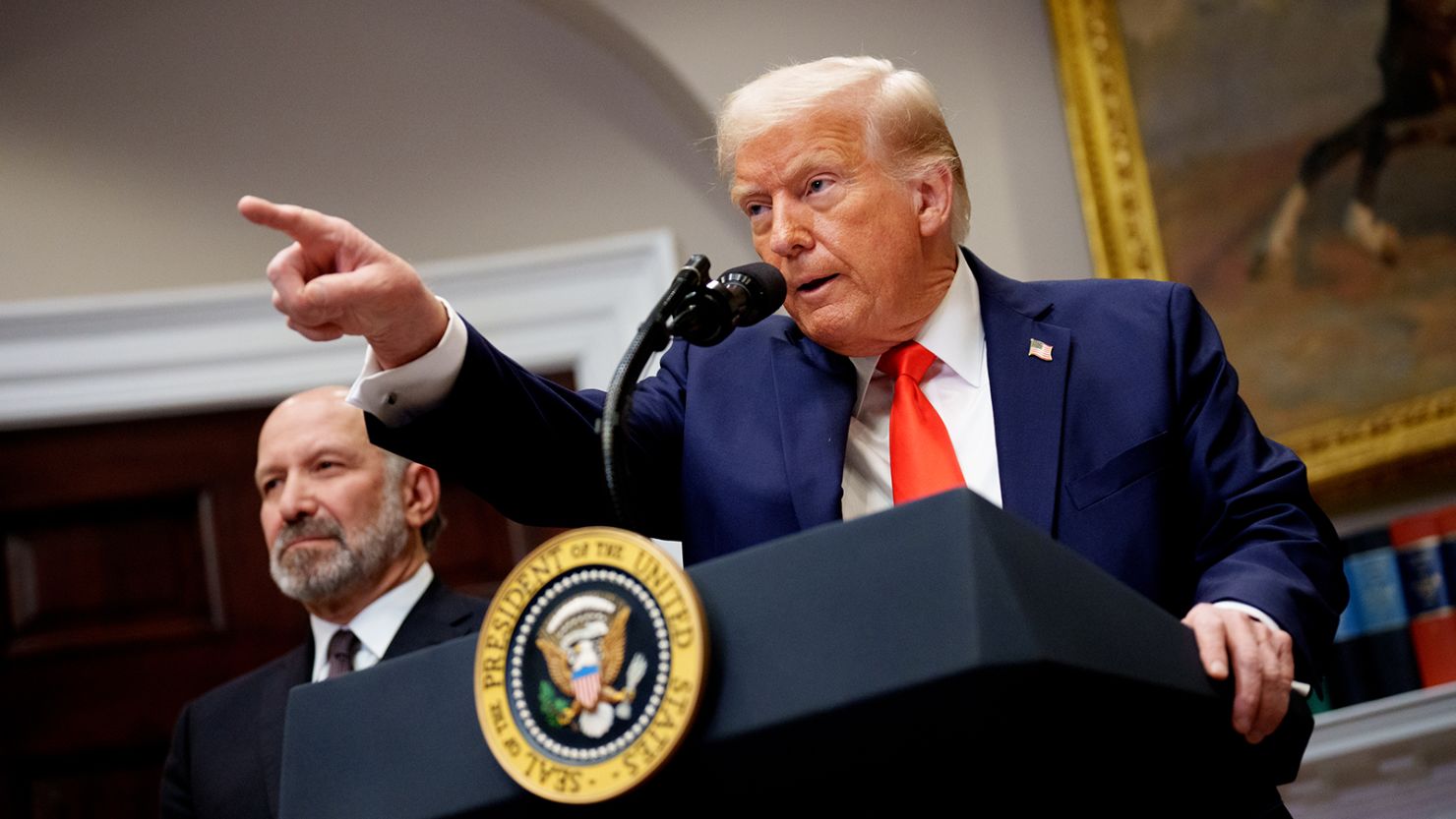
Imagine waking up to find that your life savings, painstakingly tucked away in a ceramic jar, can now barely buy a carton of eggs. This isn't a metaphor. This is the math of survival in a state that tried to bridge the gap between socialism and the market without actually letting go of the reins. Senator Marco Rubio’s recent assertions that these efforts are failing isn't just political posturing; it is a reflection of a geometric reality. You cannot have a private sector if the state still owns the air the entrepreneurs breathe.
The government introduced pymes—small and medium-sized enterprises. On paper, it looked like a white flag. A concession to capitalism. But the reality is a tangled web of "preferred" business owners and a crushing lack of access to wholesale markets. If Elena wants to buy sugar for her bread, she can't just go to a supplier. She has to navigate a gauntlet of state-run entities that take their cut before she even turns on her oven.
The Ghost in the Machine
The tragedy of the Cuban economy is that it is haunted by its own history. The state remains the ultimate landlord, the sole importer, and the final arbiter of success.
Consider the "Targeted Investment" strategy. The Cuban government has poured billions into luxury hotels that sit empty, gleaming glass towers overlooking streets where the paint is peeling like sunburnt skin. They built for a tourist boom that never fully returned after the pandemic, while the power grid—the literal heartbeat of the nation—was left to rot.
Old.
Brittle.
Failing.
When the lights go out in Matanzas or Santiago, the "economic reforms" don't matter. You cannot run a digital business in the dark. You cannot refrigerate meat for a restaurant in a blackout. The disconnect between the government’s shiny brochures and the vibrating hum of a failing transformer is where the truth lives.
The logic is simple but devastating. The state prioritized the facade of growth over the foundations of it. By focusing on high-end tourism assets rather than agriculture or energy infrastructure, they created a house of cards in a hurricane zone. Now, the wind is picking up.
The Diaspora of Talent
There is a specific kind of silence that settles over a neighborhood when the young people leave. It is a quiet, rhythmic erosion.
Cuba is currently experiencing the largest exodus in its history. This isn't just a "migrant crisis" for the United States to manage; it is a total brain drain for the island. The very people who were supposed to lead these new private businesses—the tech-savvy, the ambitious, the dreamers like Elena’s children—are selling their watches and their bicycles to buy a plane ticket to Nicaragua.
They are the "human element" that the state forgot to include in its calculations.
An economy is not made of laws. It is made of confidence. If a young person looks at the new MSME laws and sees only a different way to be controlled by the state, they won't innovate. They will leave. When the most educated segment of your population decides that their best chance for a future involves a trek through a jungle or a raft on the Florida Straits, your economic reform hasn't just failed. It has surrendered.
The Credit Deserts
We often hear about the "embargo" as the singular cause of all woe, or conversely, as a non-factor. The truth is more nuanced and far more frustrating. While the U.S. sanctions certainly complicate international banking, the internal "blockade"—the bureaucratic red tape Cuba imposes on its own people—is often the tighter noose.
To run a business, you need credit. You need to be able to borrow against your future success to build your present. In Cuba, the banking system is a relic. There is no venture capital for the baker. There is no small business loan for the mechanic. There is only the remittance—money sent from family in Miami or Madrid.
This creates a two-tiered society: those with family abroad and those without. It is a new kind of class warfare, dressed up in the language of revolutionary equality. If your brother lives in Hialeah, you can buy a delivery motorbike. If your family is all in Havana, you walk.
The Breaking Point of Patience
There is a limit to how many times you can tell a population to "resist" before the word loses its meaning. The protests of July 2021 weren't just about freedom of speech; they were about the stomach. They were about the 12-hour lines for bread and the lack of medicine.
The government responded with a flurry of new rules meant to look like progress. They allowed more categories of private work. They spoke of "circular economies" and "local development." But these are just words thrown into a void. Without a radical shift in who holds the power to import, export, and set prices, these reforms are merely rearranging the deck chairs on the Titanic.
The "failure" Rubio points to is the inevitable result of trying to control an explosion. You can't let a little bit of capitalism in and expect it to behave. It demands transparency. It demands the rule of law. It demands a banking system that doesn't vanish your deposits.
The Invisible Stakes
Why does this matter to someone sitting in an office in London or a farmhouse in Iowa? Because Cuba is a laboratory for what happens when a state loses its grip on reality.
When the Cuban economy fails, the ripples are felt across the hemisphere. It drives migration patterns that reshape American politics. It creates a vacuum that global powers like Russia and China are more than happy to fill with "loans" that are really just mortgages on Cuban sovereignty.
But mostly, it matters because of the Elenas.
She finally got her flour. It cost her three times what she budgeted because she had to buy it on the black market—the only market that actually functions. She baked the bread. It was beautiful. But by the time she went to sell it, the price of the plastic bags she needed had doubled. She sold the bread at a loss.
She sat in her kitchen, the same one with the flickering light, and realized that she wasn't an entrepreneur. She was a gambler playing against a house that owned the cards, the table, and the air in the room.
The Cuban government keeps turning the key, over and over, wondering why the engine won't start. They check the spark plugs. They paint the hood. They announce new "acceleration protocols." But they refuse to admit the one thing every mechanic knows.
The tank is empty.