The Grand Illusion of Naval Protection
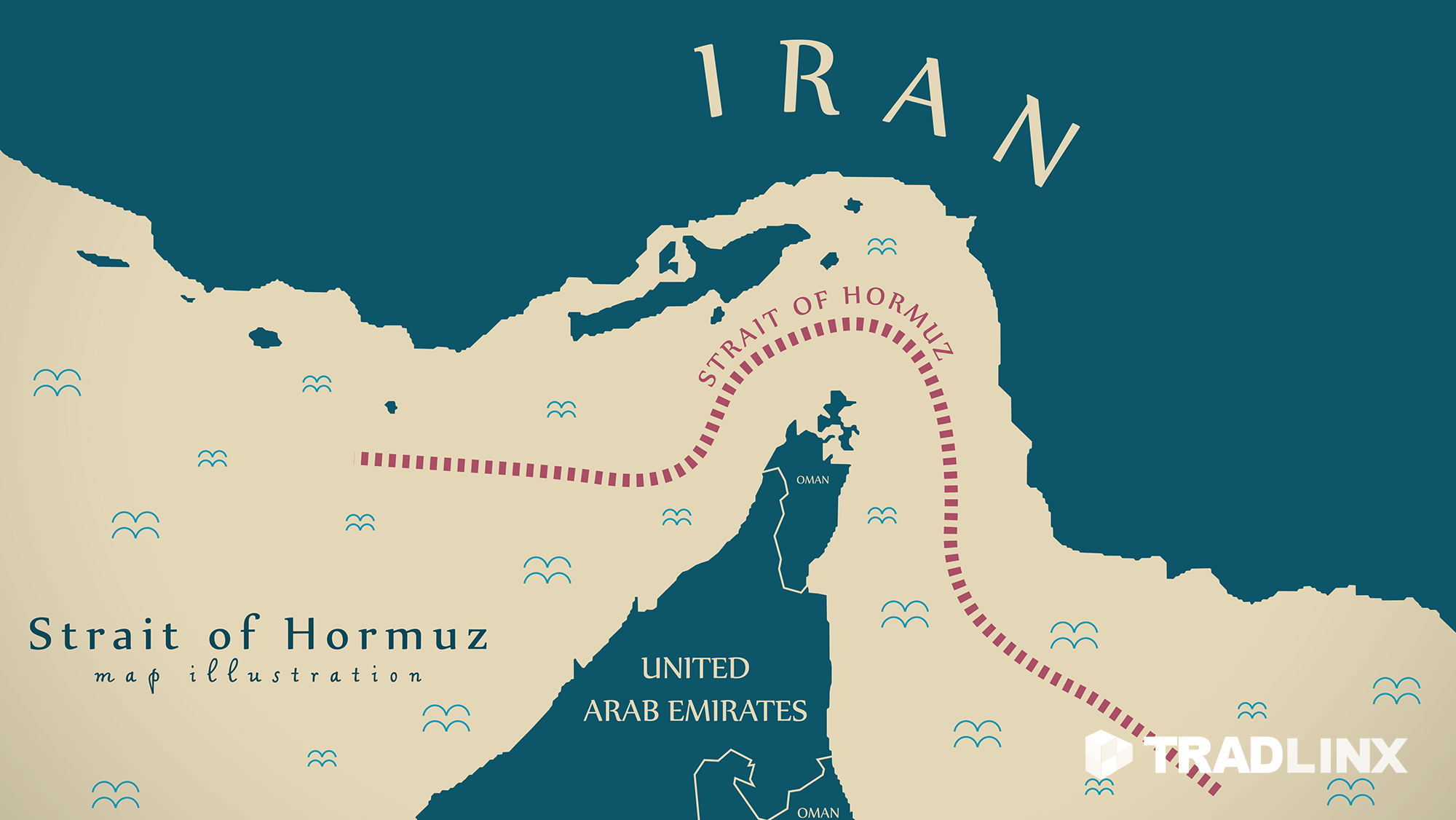
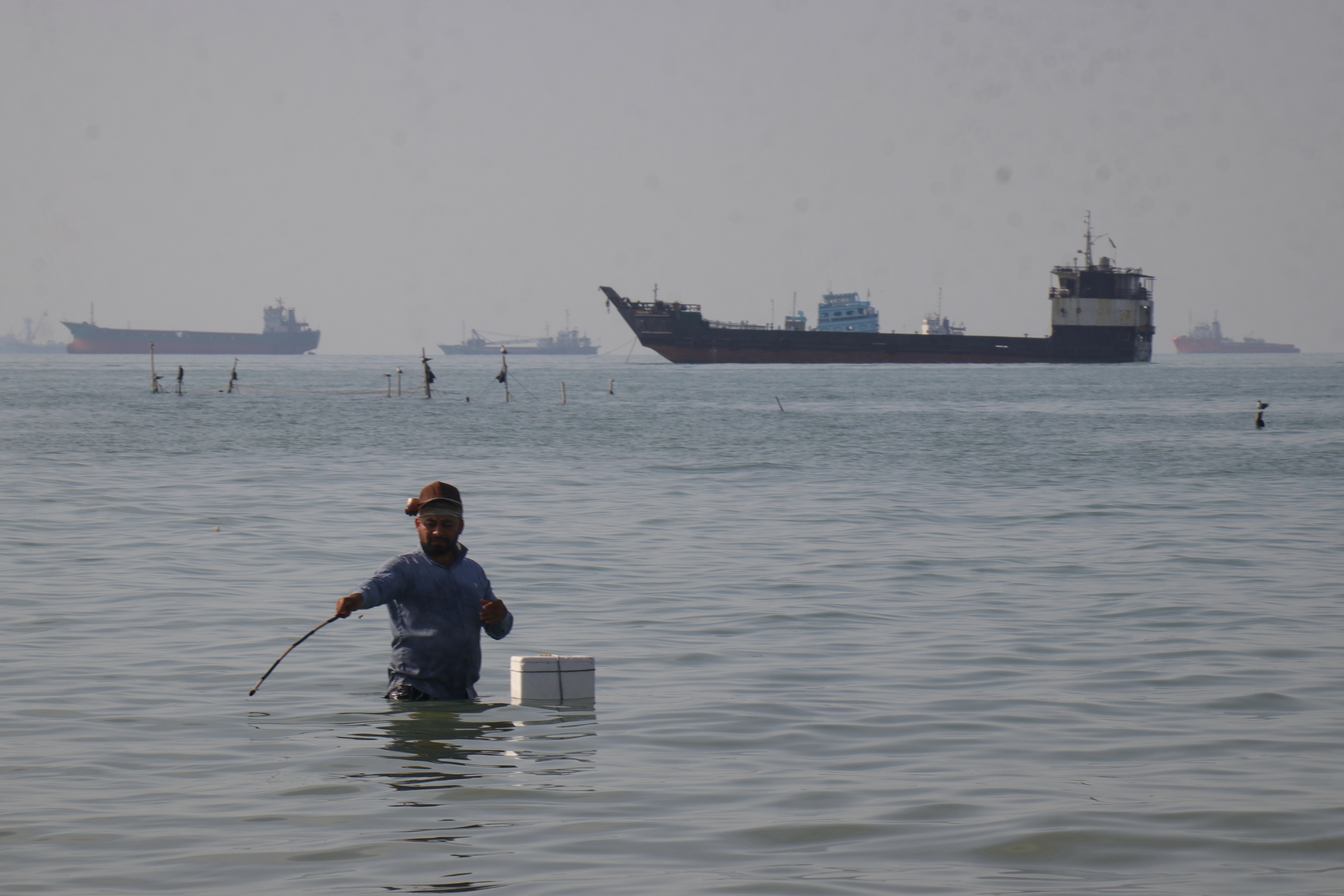
The headlines scream about "guiding" stranded ships through the Strait of Hormuz as if the U.S. Navy is a high-seas concierge service. This narrative suggests that without American destroyers hugging the hulls of commercial tankers, global energy markets would face an immediate, catastrophic heart attack. It is a comforting story for voters and a lucrative one for defense contractors. It is also fundamentally wrong.
Providing military escorts for private commercial shipping in the Persian Gulf isn't a strategic necessity. It is the world’s largest corporate subsidy. We are using billion-dollar assets and the lives of sailors to underwrite the insurance premiums of private oil conglomerates and foreign state-owned enterprises.
The "lazy consensus" dictates that the Strait of Hormuz is a "chokepoint" that must be kept open at any cost by the United States. This logic ignores thirty years of evolution in energy logistics, the rise of domestic production, and the basic economic principle of risk-adjusted pricing. If a shipping lane is dangerous, the price of the commodity should reflect that danger. By "guiding" these ships, the U.S. artificially suppresses the cost of oil, effectively paying the "security tax" so that buyers in Shanghai, New Delhi, and Berlin don't have to.
The Geography of Obsolescence
Look at the numbers. The U.S. is no longer the desperate supplicant of Middle Eastern crude it was in 1973. Thanks to the Permian Basin and hydraulic fracturing, the United States is a net exporter of petroleum products. Yet, we continue to behave like a 20th-century vassal state, terrified that a disruption in the Strait will collapse the American economy.
The ships currently being "guided" aren't bringing oil to Houston or New Jersey. They are heading East. Roughly 80% of the crude oil moving through the Strait of Hormuz is destined for Asian markets—specifically China, India, Japan, and South Korea.
Why is the American taxpayer footing the bill to secure China’s energy supply?
In any other industry, if a route is blocked or dangerous, the market pivots. You find another supplier, you build a pipeline, or you pay the premium for the risk. By providing a permanent security blanket, the U.S. removes the incentive for these nations to develop their own security frameworks or for the shipping industry to innovate. We aren't "guiding" ships; we are enabling a global dependency on American military spending.
The Myth of the Sudden Blackout
Common wisdom suggests that if Iran or any other regional actor "closes" the Strait, the global economy ends on a Tuesday. This ignores the reality of how global markets actually absorb shocks.
First, closing the Strait is a suicidal move for the local economies that border it. Iran needs those waters open to smuggle its own products and receive imports. It is a bluff that works only because the U.S. responds with such predictable, high-cost fervor.
Second, the strategic petroleum reserves (SPR) of OECD nations were designed for exactly this scenario. We have months of buffer. The idea that a three-week skirmish in the Gulf leads to Mad Max in the suburbs is a fantasy designed to keep defense budgets bloated.
The True Cost of a "Free" Escort
Maintaining a Carrier Strike Group in the region costs millions of dollars per day. When you add the long-term maintenance of the hulls, the healthcare for veterans, and the opportunity cost of not having those assets in the Indo-Pacific, the price per barrel of "guarded" oil is astronomical.
If we applied the real cost of military protection to the price at the pump, gas would cost $15 a gallon. Because we hide that cost in the federal deficit, we pretend that "guiding" ships is a cheap way to ensure stability. It’s not stability. It’s a price distortion that prevents the world from moving toward more resilient energy sources.
Insurance Companies are the Real Commanders
If you want to understand the Strait of Hormuz, stop looking at naval charts and start looking at Lloyd’s of London. Shipping companies don't fear the Iranian Revolutionary Guard as much as they fear an uninsurable hull.
In a rational world, when the risk in the Strait rises, insurance premiums spike. Shipping companies then decide if the transit is worth the cost. Some will wait; some will divert; some will pay the premium and pass it on to the consumer. This is how a functioning market handles risk.
When the U.S. Navy steps in to "guide" ships, they are effectively acting as an unpaid reinsurance firm. We are socializing the risk for private equity and oil majors. I’ve seen this play out in various sectors: when the government guarantees against loss, the private sector takes reckless chances. In this case, the "reckless chance" is the continued reliance on a single, volatile waterway instead of investing in trans-peninsular pipelines or alternative energy hubs.
The Counter-Intuitive Path Forward
The bold move isn't to send more ships. The bold move is to leave.
Imagine a scenario where the U.S. announces a three-year phased withdrawal from maritime policing in the Persian Gulf. What happens?
- Regional Empowerment: Nations like Saudi Arabia and the UAE would be forced to finalize and expand their bypass pipelines to the Red Sea and the Gulf of Oman.
- True Cost Discovery: The price of oil would finally reflect the geopolitical risk of its origin. This would accelerate the transition to domestic renewables and nuclear power faster than any "Green New Deal" ever could.
- Burden Sharing: China and India would be forced to build blue-water navies and negotiate their own security arrangements, finally paying their fair share for the resources they consume.
The downside? Yes, there would be volatility. There would be a period of higher prices and logistical chaos. But that chaos is already there, bubbling under the surface. We are just holding the lid down with a very expensive, very tired thumb.
The Failure of "Leadership"
Politicians love the optics of "guiding" ships. It looks like leadership. It looks like the "indispensable nation" doing what it does best. In reality, it is a failure of imagination. It is a refusal to acknowledge that the world of 2026 is not the world of 1990.
The Strait of Hormuz is a tactical problem, not a strategic one. By treating it as the center of the universe, we remain bogged down in a region that has diminishing returns for American interests. We are the security guard at a mall where we don't even shop anymore, while our own house is ignored.
Stop romanticizing the escort. Stop pretending that "guiding" a tanker is a victory for the American middle class. It is a handout to the global elite, paid for in American blood and treasure.
The most "guarded" ship is the one that never has to sail through a war zone because the market finally realized it wasn't worth the cost. Pull the plug on the escort service and let the market find its own way home.
If the ships get "stranded," let the owners pay for the tugboats.