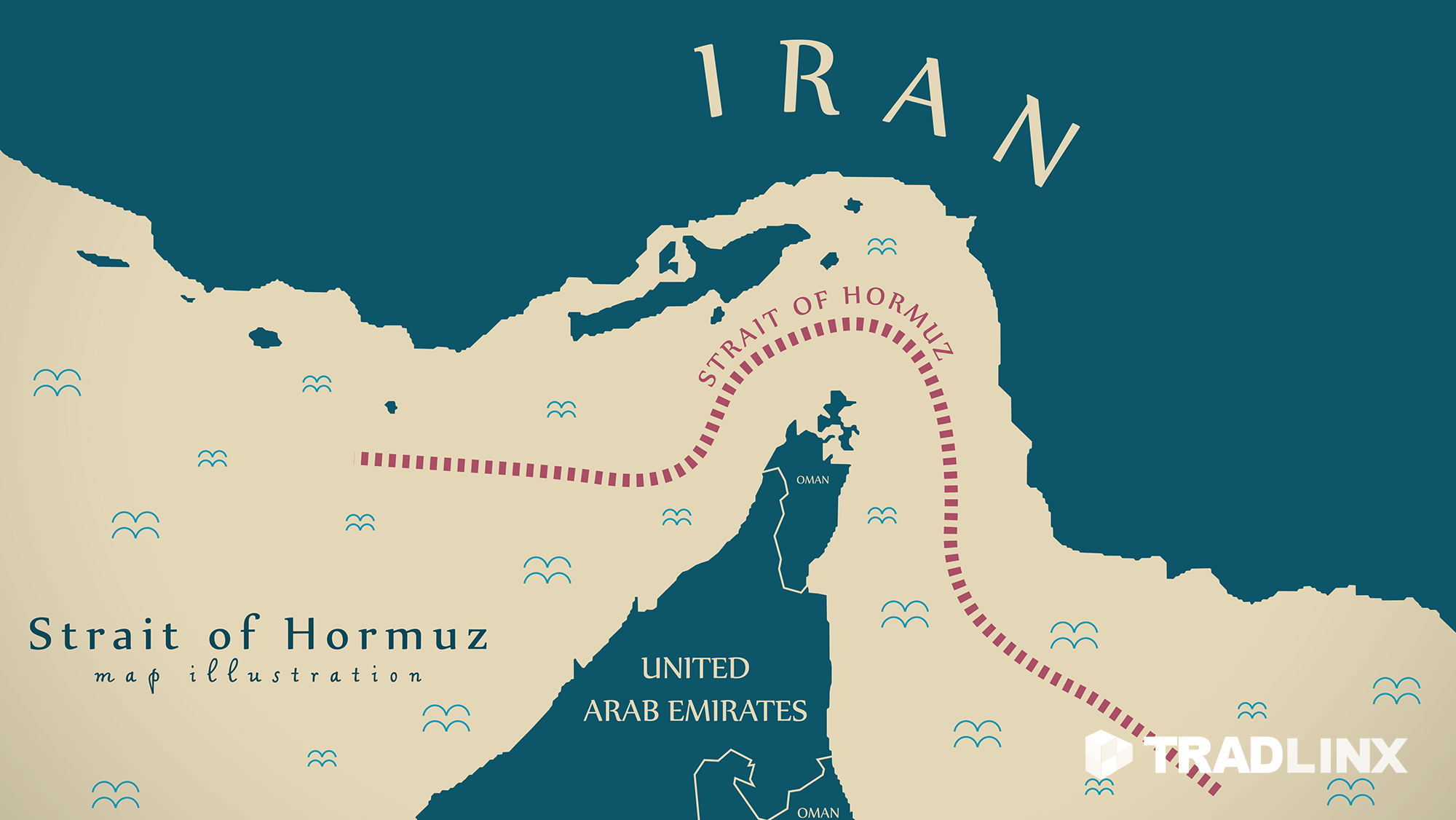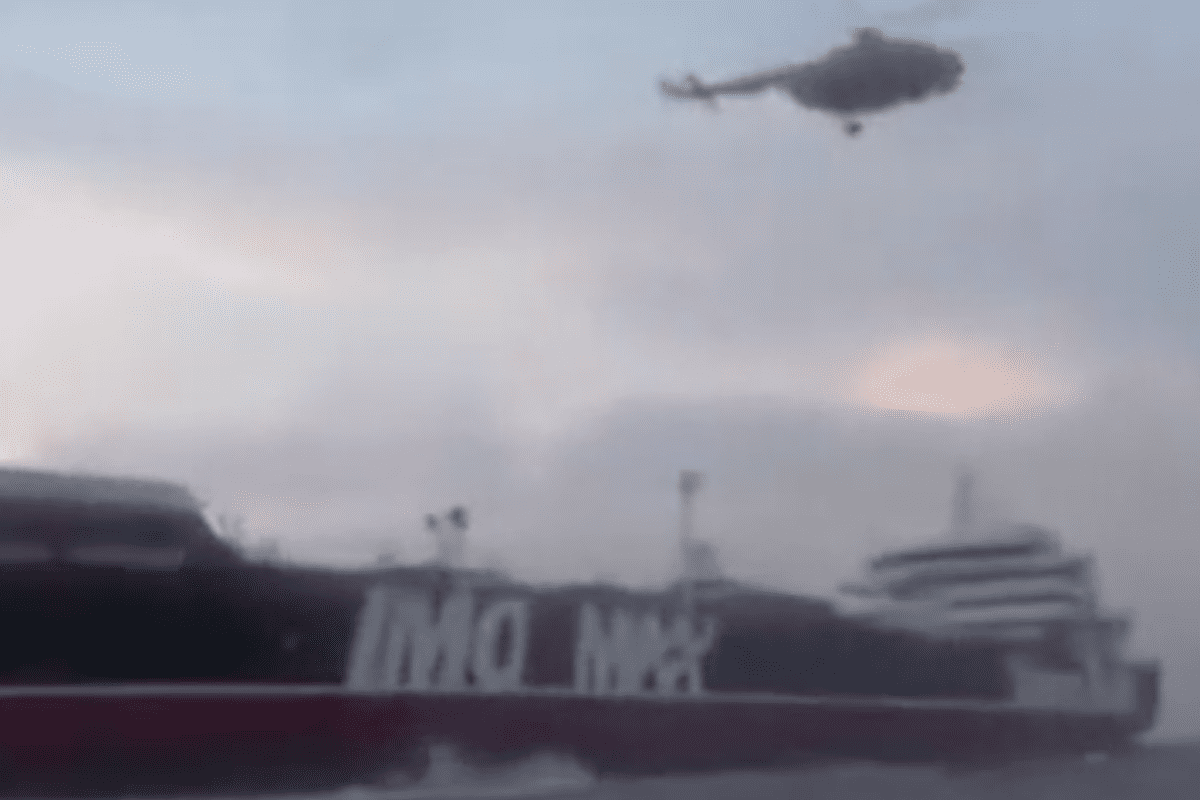
The headlines are screaming about "projectiles," "stranded ships," and the American promise to play global bodyguard in the Strait of Hormuz. It sounds noble. It sounds like leadership. It is actually a fundamental misunderstanding of 21st-century energy logistics and naval power.
When the White House signals that the U.S. Navy will intervene to protect commercial shipping, they aren't solving a crisis. They are subsidizing a fossil fuel dependency that the market is already trying to price out. We are told the Strait is a "chokepoint" that can crash the global economy. This is a 1970s ghost story told to justify 2020s defense budgets.
The Myth of the Essential Escort
The prevailing narrative suggests that without a grey hull flanking every VLCC (Very Large Crude Carrier), the world goes dark. This assumes that the primary risk in the Gulf is kinetic. It isn't. The primary risk is insurance premiums.
When a tanker gets hit by a "limpet mine" or a drone, the physical loss of the cargo is a rounding error for global supply. The real shockwave is the Hull and Machinery (H&M) and Protection and Indemnity (P&I) insurance spikes. By deploying multi-billion dollar destroyers to "protect" $100 million shipments, the U.S. government is effectively providing free insurance to private shipping conglomerates and foreign state-owned oil firms.
Why is the American taxpayer footing the bill to lower the overhead for a tanker heading to a refinery in Ningbo or Daesan?
If the Strait is truly dangerous, the market should reflect that through higher prices. Higher prices trigger two things the status quo hates:
- Accelerated transition to alternative energy.
- The immediate viability of bypass pipelines that currently sit underutilized because "the Navy will just handle it."
The Escort Fallacy and Asymmetric Costs
Let's look at the math. A single Arleigh Burke-class destroyer costs roughly $80,000 per hour to operate. It is being used to counter a "projectile"—likely a loitering munition or a shore-based missile—that costs about as much as a used Honda Civic.
This is not a win. This is an attritional nightmare.
I’ve spent years watching policy "experts" argue that presence equals deterrence. It doesn't. In a narrow corridor like the Strait of Hormuz, presence equals vulnerability. By crowding the waterway with high-value targets, we provide the very targets the adversary needs to claim a "symbolic victory" without ever having to sink a single ship.
A "stranded" ship is a tragedy for the crew and a headache for the owner. A crippled U.S. destroyer is a geopolitical catastrophe. We are risking the latter to prevent the former, and the risk-reward ratio is completely broken.
Dismantling the "Global Oil Shock" Scare
People also ask: "Won't gas prices hit $10 a gallon if the Strait closes?"
The short answer: No.
The long answer: The world is no longer solely dependent on the Persian Gulf. Between the Permian Basin in the U.S., the pre-salt fields in Brazil, and the massive reserves in Guyana, the "chokepoint" has lost its grip. Furthermore, the Strategic Petroleum Reserve (SPR) exists specifically for this scenario.
When we rush to "help" ships in the Strait, we are acting out of muscle memory rather than strategic necessity. We are defending a geography that matters less every year. The "lazy consensus" says we must protect the flow of oil at all costs. The nuance is that the "cost" of protection has now exceeded the value of the stability it provides.
Imagine a scenario where the U.S. simply stopped. No escorts. No "Operation Sentinel." What happens?
- Shipping companies would have to hire private maritime security teams (PMSTs).
- Regional players—those who actually live there and rely on the oil revenue—would be forced to secure their own backyard.
- The UAE and Saudi Arabia would have to finally operationalize their bypass routes to the Gulf of Oman and the Red Sea at full capacity.
By stepping in, we prevent the regional powers from developing their own security architecture. We are the "enablers" in a dysfunctional geopolitical relationship.
The Invisible Winners of Maritime Tension
Whenever you see a headline about "helping stranded ships," look at the stock tickers for defense contractors and the "war risk" desks at major Lloyd’s syndicates.
The military-industrial complex loves a "presence mission." It’s easy to explain to Congress. It justifies the 355-ship navy goal. But it does nothing to address the reality of modern naval warfare: the carrier group is a legacy system in a world of hypersonic saturation.
If a projectile hits a tanker, it is a localized maritime incident. If the U.S. Navy engages in a hot exchange to "defend" that tanker, it is a regional war. We are escalating a commercial dispute into a potential conflagration because we refuse to admit that the world can survive a temporary maritime bottleneck.
Stop Treating Tankers Like Red Cross Trucks
A tanker is a commercial vehicle owned by billionaires or sovereign wealth funds. It is not an ambulance. It is not a humanitarian mission.
The "controversial truth" is that the U.S. Navy has become the world’s most expensive AAA service for the oil industry. We should be demanding that the owners of these vessels—and the nations receiving the cargo—shoulder the risk.
If China wants its oil to arrive safely from Iraq, let the PLA Navy escort it. If India is worried about its supply, let the Indian Navy station a frigate in the Strait.
The moment the U.S. stops being the "policeman of the puddles," the regional actors will suddenly find a way to cooperate. Diplomacy is a product of necessity, and right now, the U.S. is removing that necessity by providing a free security blanket.
The Actionable Pivot
We need to stop asking "How do we secure the Strait?" and start asking "Why are we still there?"
The goal should be Strategic Decoupling.
- Stop the Escorts: Transition maritime security to a "User Pays" model.
- Redirect the Spend: Take the billions saved from Gulf patrols and put them into domestic energy storage and grid resilience.
- Call the Bluff: Let the "threat" to the Strait manifest. Watch how quickly the local actors—who need that oil money to keep their regimes alive—move to neutralize the threat themselves.
The competitor's article wants you to feel a sense of duty and danger. I want you to feel a sense of exhaustion. We are playing a game designed in 1945 on a map that changed in 2010.
Every time a projectile hits a tanker and we rush to "help," we aren't showing strength.
We are showing that we are still hooked on the same old illusions.
Pack up the escorts. Let the market burn until it learns to build its own fire extinguisher.
The era of the American energy bodyguard is over. It’s time we acted like it.