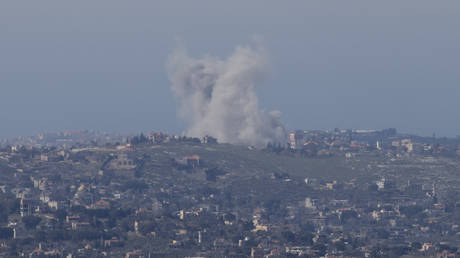
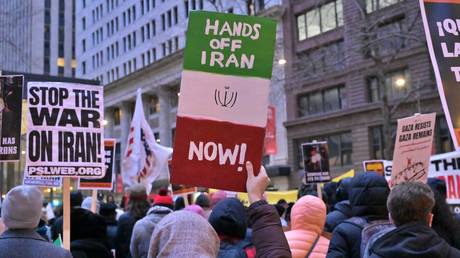
The idea that India can simply "balance" its way through a Middle Eastern meltdown is dead. We've spent a decade pretending we could buy Israeli drones, American jets, and Iranian oil all at once without anyone asking us to pick a side. But as Benjamin Netanyahu and Donald Trump move from "maximum pressure" to what looks like a definitive military campaign against Tehran, the bill is finally coming due for New Delhi.
It isn't just about high fuel prices at the local petrol pump. It's about a strategic map of Eurasia that India spent billions to draw, now being set on fire by its two closest "friends."
The $100 Billion Energy Trap
Let's talk about the math first, because that's where the pain hits your pocket. India imports nearly 90% of its crude oil. When Trump and Netanyahu squeeze the life out of Iranian exports or, worse, provoke a blockade of the Strait of Hormuz, global supply doesn't just dip—it panics.
Around 60% of India's crude moves through that tiny, 21-mile-wide chokepoint. If a single Iranian sea mine or an Israeli drone strike shuts that lane for even a week, we aren't just looking at $90 oil. We're looking at a $130-plus nightmare that would wipe out India's fiscal deficit targets in a month. Every $1 increase in the price of a barrel adds roughly $2 billion to our annual import bill. You don't need a PhD in economics to see how fast that adds up.
It's worse because the "Russian safety net" is gone. Under pressure from the second Trump administration, Indian refineries have already started backing away from Russian barrels to avoid secondary sanctions. We're being funneled back into a global market that's becoming more volatile by the hour.
Why Chabahar is basically a ghost project now
For years, the Chabahar Port in Iran was touted as India's masterstroke. It was our way to bypass Pakistan and reach Afghanistan and Central Asia. We signed a 10-year deal, we sent the cranes, and we gave the speeches.
Now? It's a strategic liability.
Trump 2.0 has no appetite for "exemptions." If the US is in a shooting war—or a heavy cyber-war—with Iran, no Indian shipping line is going to touch Chabahar. The International North-South Transport Corridor (INSTC), which was supposed to link Mumbai to Moscow via Iran, is effectively on ice. While we were busy building terminals, the geopolitics changed. Now, the very infrastructure meant to secure our future is sitting in a potential strike zone.
The Remittance Crisis Nobody Mentions
Everyone focuses on oil, but the real human cost is the 9 million Indians living in the Gulf. These aren't just names on a map; they're the people sending back $45 billion a year in remittances.
If this conflict spills over—and we’ve already seen missiles hitting targets near Dubai and Abu Dhabi airports in early 2026—the Gulf stops being a "safe" place to work. We saw a glimpse of this with Operation Sindhu last year, where thousands had to be evacuated. If a full-scale war breaks out, the Indian government will face the largest evacuation challenge in human history.
- Remittances: A 20% drop in Gulf money would tank the economies of states like Kerala and Punjab.
- Airspace: With Iran, Iraq, and parts of the Gulf closing skies, flight times to Europe are jumping by 4 to 6 hours. That’s more fuel, more cost, and more supply chain delays for Indian exporters.
Netanyahu's Agenda vs India's Interests
Israel is a vital defense partner for India. We use their tech to watch our borders. But Netanyahu's "total victory" approach to Iran doesn't account for the collateral damage to Indian interests. For Israel, Iran is an existential threat. For India, Iran is a necessary neighbor.
When Netanyahu pushes for strikes on Iranian energy infrastructure, he's indirectly voting for a recession in India. We’re in a position where our primary defense supplier (Israel) is trying to destroy the regional stability required for our primary energy supply.
The Trump Tariff Threat
Don't think the US is giving us a free pass because of the "Modi-Trump" bromance. Trump has already threatened 25% tariffs on countries that continue to engage with Iran. He's made it clear: you’re either with the US sanctions regime or you’re a target.
This leaves New Delhi with zero room to maneuver. We can't buy Iranian oil (which they'd sell us at a discount), and we can't use the port we built. We’re being forced to buy more expensive American energy while our exports to the Middle East—nearly 15% of our total trade—are being strangled by war-risk insurance premiums that have jumped 50% in the last few months.
What you should watch for
The next 48 hours will tell us if the Strait of Hormuz stays open. If you see shipping insurance companies "red-listing" the Persian Gulf, expect the Indian Rupee to hit record lows against the Dollar.
If you're an investor or a business owner, stop looking at the Sensex and start looking at the shipping lanes. The "neutrality" we’ve enjoyed is over. India is now paying the "war tax" for a conflict it didn't start and can't stop.
Keep a close eye on the Ministry of External Affairs' advisories for the UAE and Qatar. If the evacuation talk starts again, the economic "firewall" we've built since the pandemic won't be enough to save the domestic market from a massive shock.