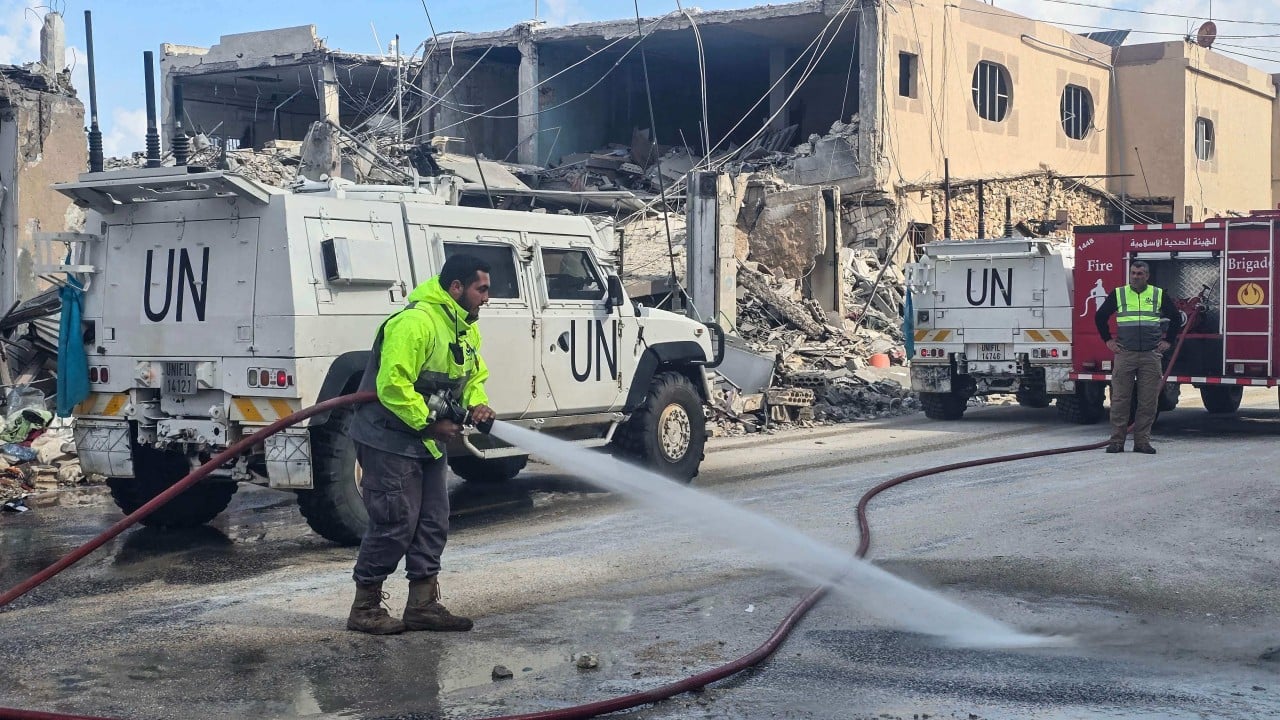
The tragic deaths of Indonesian peacekeepers in Lebanon aren't just statistics. They're a wake-up call for Jakarta. For decades, Indonesia has been a proud, consistent contributor to UN missions, but the current situation in the Middle East has changed. It's more volatile than it's been in a generation. When our soldiers are caught in the crossfire of a conflict that shows no signs of slowing down, we have to ask if the "peacekeeping" label still matches the reality on the ground. It doesn't. The blue helmets are being used as human shields for a diplomatic process that's currently stalled.
Indonesia currently sends over 1,000 personnel to the United Nations Interim Force in Lebanon (UNIFIL). That’s a massive commitment. It makes us the largest contributor to that specific mission. But as the conflict between Israel and Hezbollah intensifies, the risks have shifted from "monitored peace" to "active combat zone." We’re sending our best men and women into a meat grinder where they have limited power to actually stop the fighting.
The mounting cost of staying in Lebanon
Public sentiment in Indonesia is shifting. You can feel it. While there’s immense pride in our role as a global peace broker, that pride is turning into anxiety. Every time a report comes in about a base being hit or a patrol being caught in an exchange of fire, the calls for a withdrawal plan grow louder. It’s not about being cowards. It's about being smart. A peacekeeping mission only works when there is actually a peace to keep. Right now, there isn't.
The Indonesian government faces a brutal dilemma. If they pull out, they risk losing their standing as a major player in international diplomacy. If they stay, they're essentially gambling with the lives of Indonesian citizens for the sake of a seat at the table. Honestly, the "seat at the table" argument feels pretty thin when you’re attending funerals. We need to stop pretending that UNIFIL has the mandate or the hardware to handle a full-scale regional war. They don't. They have white SUVs and light weapons. They’re facing off against high-tech drones and heavy artillery.
Why the UNIFIL mandate is failing our troops
The original mandate of UNIFIL was established decades ago. It was designed for a different era of warfare. Today, the battlefield is urban, tech-heavy, and completely unpredictable. The "Blue Line" that peacekeepers are supposed to monitor has become a front line.
- Rules of Engagement: Our troops are restricted by strict UN rules. They can't initiate force. They can only defend themselves. This puts them at a permanent disadvantage against groups that don't follow any international rulebook.
- Political Gridlock: The UN Security Council is paralyzed. Without a clear political path to a ceasefire, the troops on the ground are just standing in the way of bullets without a goal.
- Targeting Peacekeepers: We've seen reports of UN positions being hit directly. This isn't always an accident. When peacekeepers become targets, the mission has effectively failed.
Rethinking the exit strategy
A "Middle East exit plan" shouldn't be a dirty word in Jakarta. It’s a necessary logistical and political framework. We aren't talking about cutting and running overnight. That would be a disaster for the region and for our reputation. But we need a phased approach. We need clear "red lines" that, if crossed, trigger an immediate drawdown of our forces.
If the safety of our personnel can't be guaranteed by the parties involved in the conflict, Indonesia has every right to prioritize its own people. We’ve done our part. We’ve contributed more than almost anyone else. There’s no shame in saying that the environment has become too hostile for the current mission structure to succeed.
People often argue that Indonesia's Constitution mandates us to participate in world peace. That’s true. But it doesn't mandate us to participate in suicide missions. We can contribute to world peace through diplomacy, humanitarian aid, and peacekeeping in areas where a peace agreement actually exists. Lebanon in its current state is a combat zone, not a peacekeeping theater.
What a real withdrawal plan looks like
The Ministry of Foreign Affairs and the TNI (Indonesian National Armed Forces) need to be transparent with the public. We need to know what the triggers are for a total evacuation. Is it another death? Is it the destruction of a specific base?
- Immediate Risk Assessment: A daily, independent review of the threat level to Indonesian bases that isn't filtered through UN bureaucracy.
- Coordination with Partners: Working with other major contributors like Italy and India to create a unified front. If the major contributors say "enough is enough," the UN will be forced to change the mandate or end the mission.
- Repatriation Logistics: Ensuring we have the transport capabilities ready to move 1,000+ people out of a war zone on short notice. This isn't as easy as it sounds when airports are being bombed.
We have to stop valuing "international prestige" over the lives of our soldiers. The world knows Indonesia is a leader in peacekeeping. We’ve proven it in Africa, in Southeast Asia, and in previous stints in the Middle East. Losing a generation of experienced officers to a conflict that has nothing to do with Indonesian national security is a mistake we can't afford.
The government needs to move beyond "thoughts and prayers" and start talking about logistics. If the situation on the Blue Line doesn't stabilize within the next quarter, a significant portion of our contingent needs to come home. We can't keep waiting for a "diplomatic solution" that isn't coming. It’s time to bring our people back before the next flag-draped coffin arrives at Soekarno-Hatta.
Pressure the government to define the red lines. Ask your representatives what the plan is for the 1,200 Indonesians currently in harm's way. Don't let their sacrifice be a footnote in a failed UN mission.